Playing Roulette With Cryptocurrency: A Practical Guide
Bitcoin is volatile. Roulette has a 2.7 percent house edge. Put them together and you have something complicated. Here is how to think about it clearly.
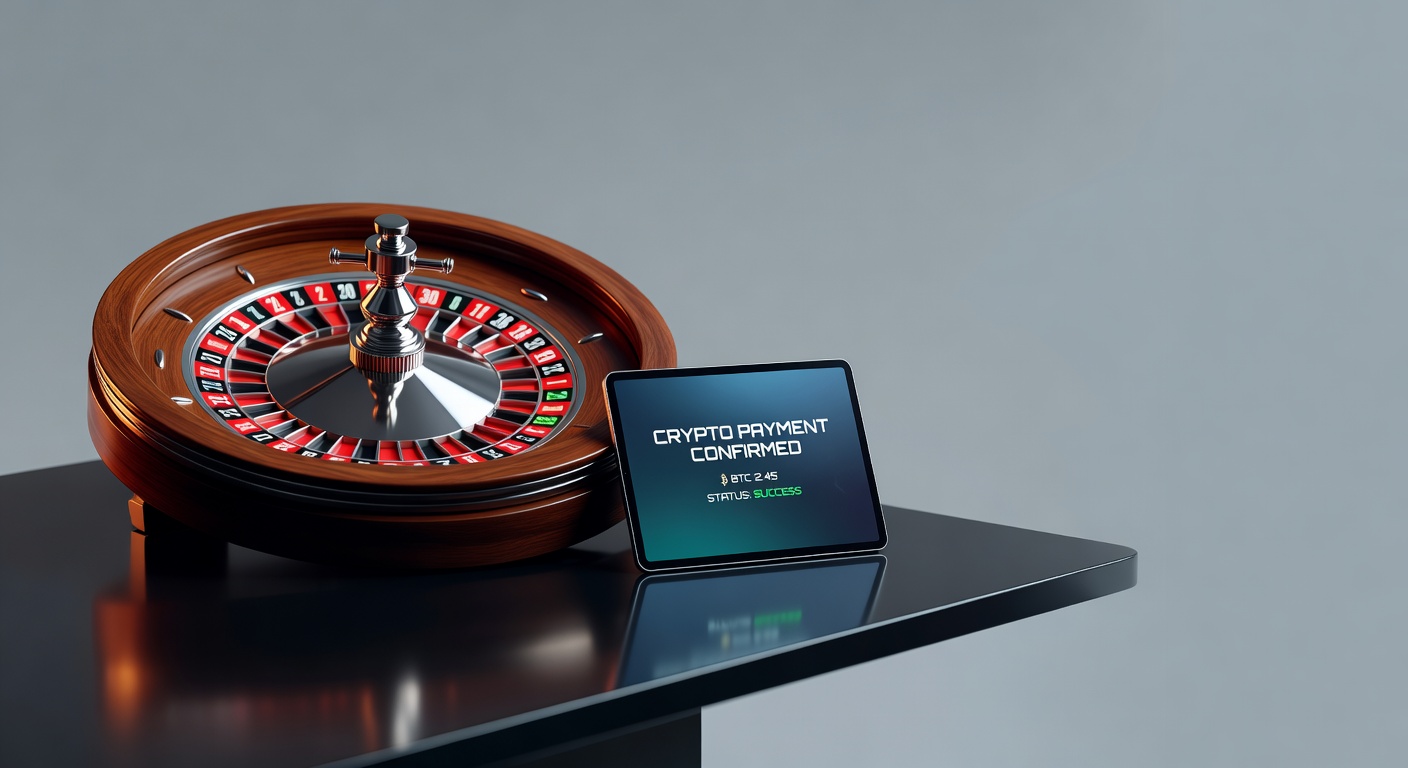
You hold Bitcoin. You want to play roulette. You have three options: convert to dollars before playing, convert to stablecoins before playing, or play directly with Bitcoin on a crypto casino.
Option one: Convert to dollars. You sell one Bitcoin at forty thousand dollars. You walk into a casino with forty thousand in chips. You play roulette. If you lose, you have lost forty thousand dollars of real money. The Bitcoin price movement is irrelevant because you locked in the value.
Option two: Convert to stablecoins like USDC. One Bitcoin becomes forty thousand USDC. You play on a crypto casino. The USDC maintains its dollar parity. If you lose, you have lost forty thousand dollars of original value. Bitcoin price movement is irrelevant because stablecoins do not move.
Option three: Play directly with Bitcoin. One Bitcoin on the crypto casino table. As you play, Bitcoin price fluctuates. Your original one Bitcoin might be worth thirty-five thousand by the time you finish playing. That means you have lost five thousand just to price movement, before considering roulette losses.
The third option adds volatility on top of the game's inherent variance. This is bad for you. Roulette already has a 2.7 percent house edge. Adding five to ten percent volatility from Bitcoin price swings means you are really playing against a 7-to-12 percent edge.
Therefore, convert before you play. Lock in your value. Play on that locked-in value. If the crypto casino does not accept stablecoins, use option one and convert to dollars.
The remaining math: You have forty thousand dollars in value. European roulette has a 2.7 percent house edge. Betting one hundred dollars per spin, you expect to lose two-point-seven dollars per spin. Over one hundred spins, expected loss is two hundred seventy dollars.
If you stay for ten hours at thirty spins per hour, that is three hundred spins. Expected loss is eight hundred ten dollars. This is the true cost of playing.
Bitcoin adds nothing except complication. Use it as a funding mechanism. Convert it to something stable. Play the game. Convert back to Bitcoin when done.
The stablecoin advantage: When you play with stablecoins, you know your exact exposure. You started with 40,000 USDC. You know how much you can lose: up to 40,000. Bitcoin does not give you that certainty. The price moving 20 percent changes your exposure mid-play. Certainty is valuable. It is worth converting to stablecoins before playing.
The Underlying Mechanics
Understanding the basics of how this topic functions requires looking at the incentive structures and the economic pressures that shape behavior. The players involved are responding to rational incentives, even when those incentives lead to outcomes that seem suboptimal from an outside perspective.
The decision-making process at each step is not random. It is shaped by historical precedent, regulatory pressure, and the competitive landscape. When one operator makes a move, others follow or diverge based on their specific market position and clientele.
The Long-Term Implications
Over years and decades, these patterns compound. Small edges add up. Small behavioral nudges accumulate. The gap between casual understanding and sophisticated understanding becomes enormous.
A player who grasps the mechanics at a deep level can operate with an advantage. They can navigate the landscape in ways that the casual participant cannot. This is true in virtually every gambling domain. The edge belongs to those who understand the fine details.
The future will likely see further refinement and complexity. As the market matures and competition increases, operators will continue optimizing their offerings. Players will continue developing better strategies. The arms race continues indefinitely.
Rooms for this read
Share this read