Pai Gow Poker Explained: Rules, Strategy, and House Edge
Pai Gow Poker arrived from Asia and became a casino staple because it slows the game down. The slower the game, the longer the player stays. The longer they stay, the more they lose.
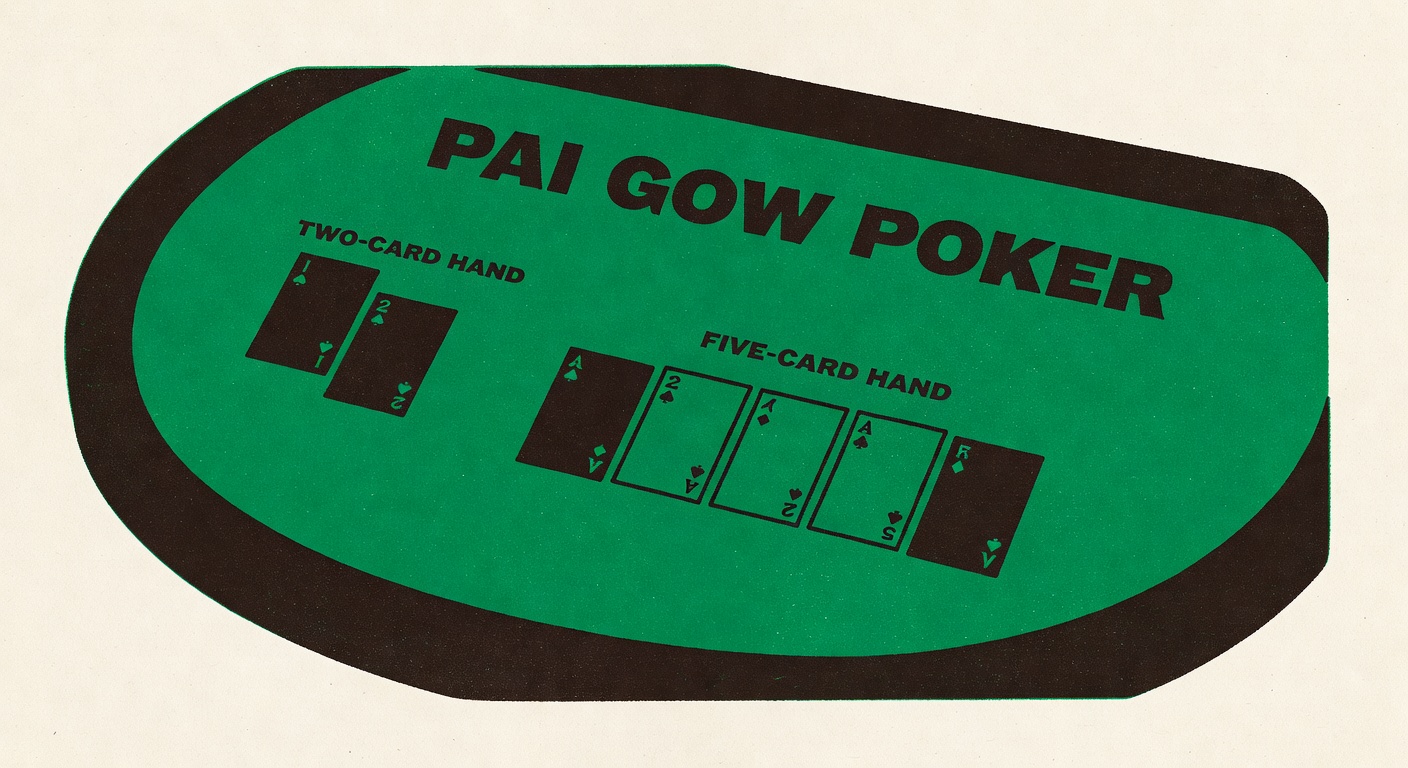
Pai Gow Poker is a game where you are dealt seven cards.
The game came from Asia, from the tile game Pai Gow. The conversion to poker happened in the 1980s. The game appeared in casinos because it does something unique: it slows down the action.
The Structure
You place a bet. Seven cards are dealt. You arrange them into two hands. The dealer arranges their cards. Hands are compared. The payout is even money if you win, minus a commission of five percent.
The game's strength is that it takes time. A baccarat hand resolves in ten seconds. A blackjack hand resolves in thirty seconds. A Pai Gow hand takes two minutes. The dealer has to arrange the cards correctly according to house rules. You have to arrange yours.
Slowing the game down is a casino strategy. A slower game appears more thoughtful. A player feels they are making decisions. In reality, the house rules dictate how you should arrange your hands in almost all cases. You have the illusion of choice.
The Strategy That Does Not Exist
Optimal Pai Gow strategy is rigid. You follow the house way. You put your highest pair in the five-card hand. You put your second pair in the two-card hand. You follow the rules consistently.
Deviation from the rules reduces your odds. Most casual players deviate from the rules. They make emotional decisions. They lose money to their own decisions and to the house edge simultaneously.
The House Edge
The house edge in Pai Gow Poker is 1.46 percent, assuming the player follows basic strategy. This is better than roulette, worse than blackjack. But the actual edge is higher because most players do not follow strategy. Most players lose to their own decisions.
Why Casinos Love This Game
Casinos love Pai Gow because it is slow. Slow games allow for longer playing sessions. Longer sessions mean more hands played. More hands means more expected loss from the house edge.
A casual player might play sixty blackjack hands in an hour and lose an average of one percent per hand. Over an hour, this is a slow bleed. A casual player playing Pai Gow might play fifteen hands in an hour, losing 1.46 percent each. The magnitude is lower per hour, but the player who plays all day loses more overall.
The Ritual
Pai Gow appeals to players who like ritual. The dealing is ceremonial. The arrangement is deliberate. The comparison is formal. This ritual creates an experience that feels more like a traditional poker game than a casino game of chance.
The ritual is the product. The house edge is secondary. A player who feels they are playing real poker, even though they are playing a casino game, will stay longer and lose more.
The Takeaway
For the serious player, this understanding is foundational. The difference between casual and professional approach is measurable. Over a season, the marginal gains accumulate. These gains are not luck. They are the result of systematic thinking about the mechanics that most players ignore.
The player who understands these principles will lose less money in the long run. The player who masters these principles might actually edge into profitability. Neither outcome is guaranteed. The advantage is real nonetheless.
The numbers matter. The discipline matters. The emotional control matters. Without all three, the best information is worthless. With all three, even modest insights compound into significant advantages.
Rooms for this read
Share this read