Dream Catcher: The Money Wheel That Started It All
Dream Catcher represents a specific microeconomic phenomenon: the packaging of pure chance (a spinning wheel) as entertainment at a price point (the minimum bet) that remains accessible after standardized variance. The game's success illustrates operator understanding of time-preference and the price elasticity of gambling.
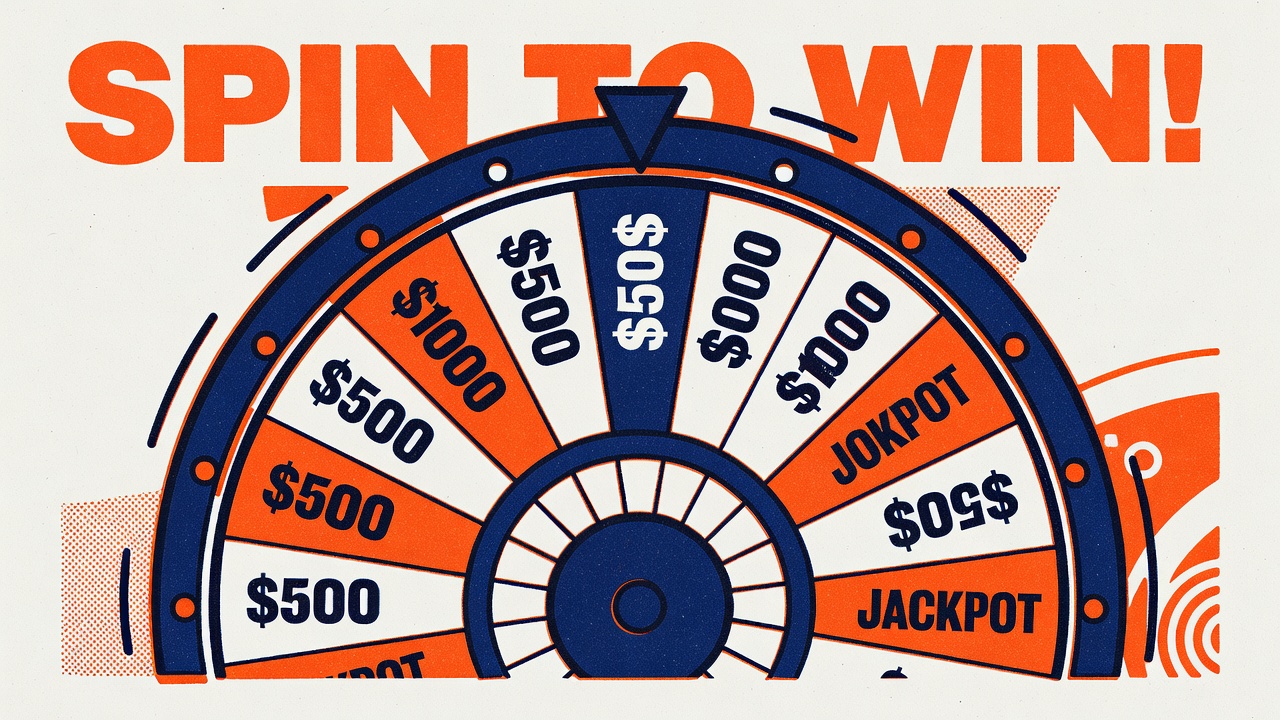
Dream Catcher is a live-dealer game showing a large carnival wheel divided into numbered segments. The player bets on which number the wheel will land on when the dealer spins it. The segments are weighted according to probability: segment 1 appears most frequently; segment 40 appears least frequently. A bet on 1 pays 1:1. A bet on 40 pays 40:1. This is basic probability pricing: higher payout matches lower probability of occurrence.
From a economic standpoint, Dream Catcher is fascinating because it reduces gambling to its essence: price a bet, spin the wheel, payout according to probability. No skill whatsoever. No house edge hidden in strategic subtlety. The house edge is explicit: 2.7% on most segments, slightly higher on some. The player sees the mechanism, understands the pricing, and chooses to participate.
Why is this significant? Dream Catcher achieved massive adoption because it prices entertainment at a marginally lower cost than alternative games. A slots machine might require a 25-cent minimum bet (or less). Dream Catcher often allows 0.10-cent minimum bets, lower than slots on many properties. This is deliberate operator strategy: lower the entry cost and increase addressable market. The player who considers 25 cents per spin excessive might accept 10 cents. Multiply across thousands of players and the volume revenue exceeds what premium pricing would produce.
This pricing strategy reflects Austrian economics precisely: the operator recognizes that each player discounts future utility at their own personal rate. A player with low time-preference (patient) might be willing to risk substantial capital today for a chance at payoff. A player with high time-preference (impatient) values immediate access and small bet sizes. Dream Catcher's sub-dime minimum captures impatient players who would otherwise not gamble. The operator profits from arbitraging these preferences at volume.
The Wheel Mechanism as Trust Signal
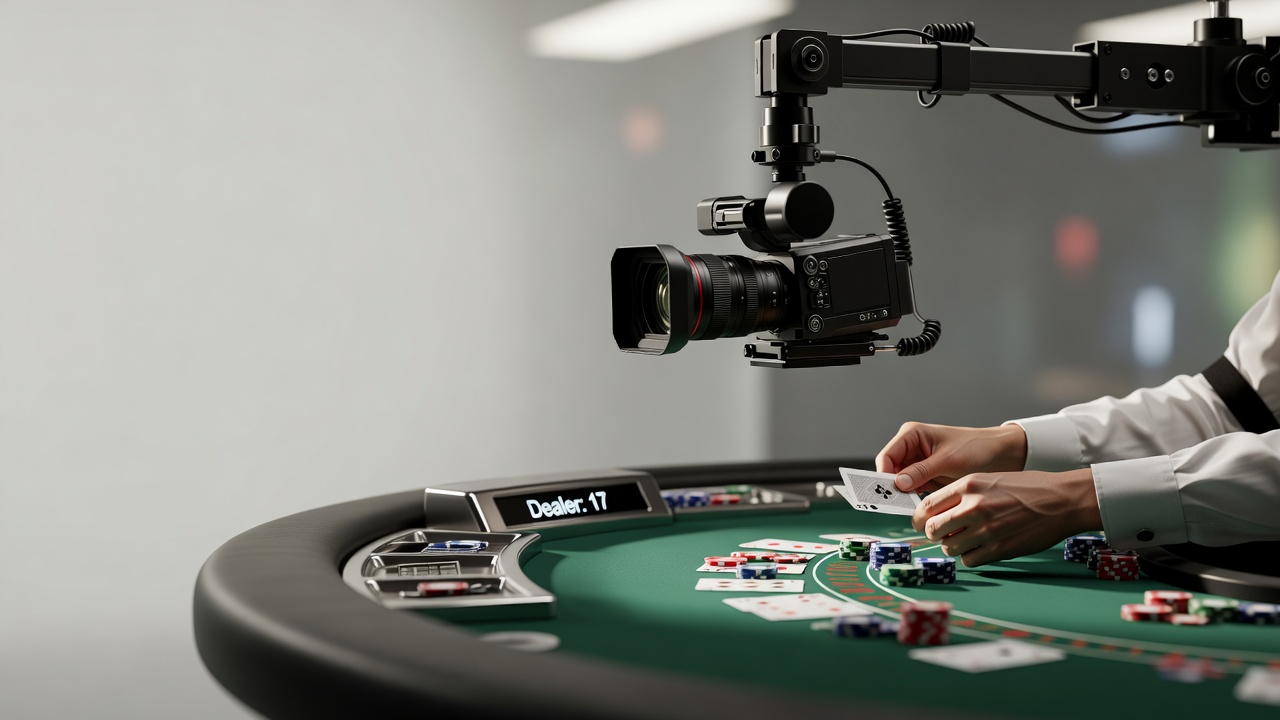
Dream Catcher also functions as a trust signal. The spinning wheel is physical, visible, and happens in real-time with human dealers. A live-dealer game reduces informational asymmetry compared to RNG-based games where the randomization happens in software invisible to the player. The player can watch the wheel, observe the weight distribution (empirically, over time), and develop confidence in the randomness.
This is not because the wheel is more random; it is because humans find visible randomization more trustworthy than invisible software. This is a psychological fact documented in gambling research. A wheel you can see is felt-to-be-fair even if a hidden algorithm is equally fair. The operator knows this and prices Dream Catcher accordingly. The convenience of live dealing (fewer seconds per spin, lower operational cost than table games) combines with the trust premium to create an economically efficient product.
"Dream Catcher succeeds by pricing chance at low cost and making randomness visible to the player."
Variance in Dream Catcher is also important. A 1:1 bet on segment 1 has low variance: the player wins often, but small amounts. A 40:1 bet on segment 40 has high variance: the player loses often, but occasionally wins large. This creates a range of bet types for players with different risk profiles. A conservative player places 1:1 bets repeatedly, enjoying frequent small wins. An aggressive player places 40:1 bets, tolerating many losses for occasional large payouts. The game accommodates both strategies within a single interface.
The game's emergence in the 2010s also coincides with live-dealer technology becoming reliable and low-cost. Before camera technology and internet speed improved, live dealers required physical casinos and correspondingly high operating costs. Modern live-dealer studios operate remotely in low-cost jurisdictions, broadcasting to players worldwide. Dream Catcher exploits this cost advantage by offering a simple game (minimal dealer training, minimal complex rules) at scale.
Marginal analysis explains Dream Catcher's profitability perfectly. The marginal revenue from adding Dream Catcher to an existing platform is high: it requires minimal new infrastructure, attracts price-sensitive players, and generates volume. The marginal cost is low: the game is simple, dealer training is quick. The operator captures the difference. This is the textbook case of efficient market pricing. Dream Catcher is not a strategic achievement; it is applied microeconomics.
Rooms for this read
Share this read