Live Dealer Casino Explained: How It All Works
Live dealer casinos broadcast real dealers and physical cards to remote players. The operation requires infrastructure, training, and specific protocols to maintain integrity.
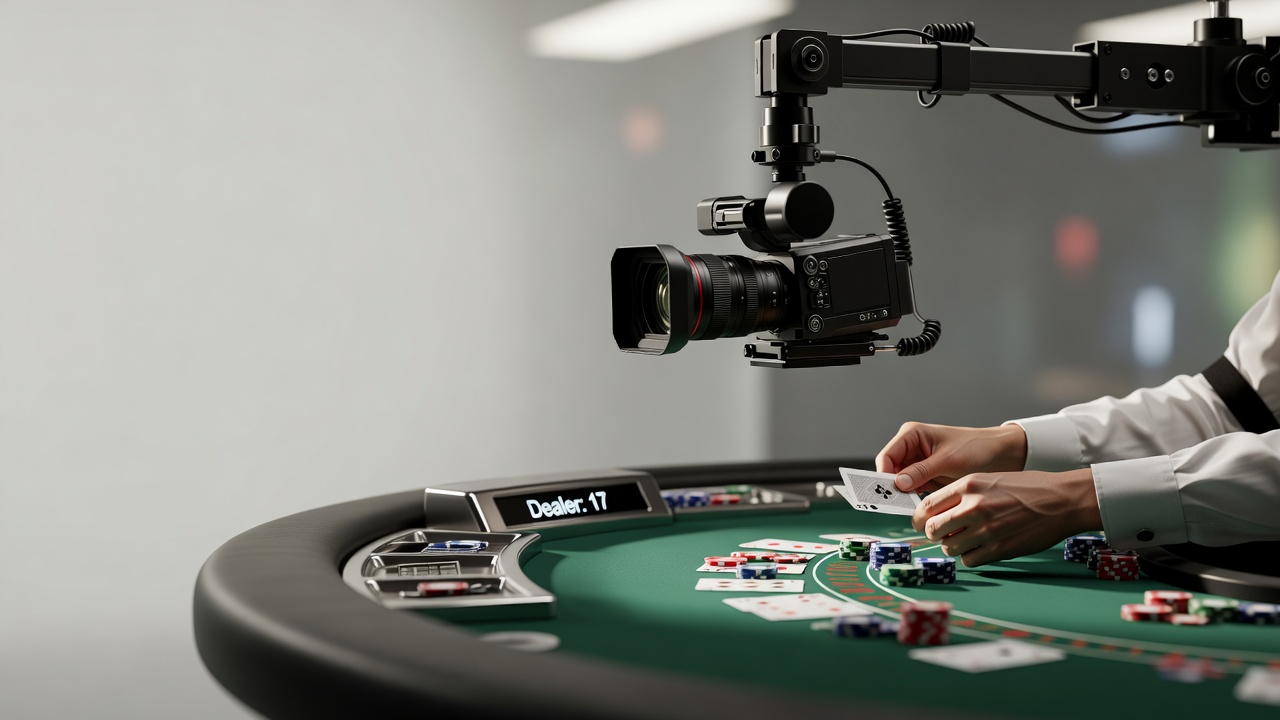
A live dealer casino operates from a studio in Malta, Romania, or another jurisdiction. Cameras film real dealers at real tables. Players log in remotely and place bets through their phone or computer. The dealer reveals cards or spins the wheel. Outcomes are real. It is not simulation; it is remote casino service.
The infrastructure is straightforward. A table (baccarat, blackjack, roulette, or other game). Multiple cameras covering the table from different angles. Lighting to illuminate the game clearly. Audio equipment so the dealer can speak to players. An internet connection broadcasting the feed to players. A server processing player bets and logging outcomes.
The dealer is an employee of the casino or a third-party provider. The dealer is trained on the specific game (how to deal, how to manage the pace, how to interact with players). The dealer is on camera constantly. Behavior is monitored. Mistakes are recorded and reviewed.
Players place bets through their interface (phone or desktop). They select their bet amount and betting location (which number on roulette, which hand at baccarat). The interface transmits the bet to the server. The dealer executes the action (spins the wheel, deals cards). The outcome is determined. The system updates player balances.
Quality Control
Game accuracy is paramount. A dealer must follow strict protocols: shuffle correctly, deal from the correct position, announce results clearly. A dealer who deviates from protocol is retrained or terminated. Regular audits check dealer compliance with procedures.
Camera coverage prevents dealer error and fraud. Multiple angles from high-definition cameras record every action. If a player disputes an outcome ("I thought I bet on red, not black"), the operator reviews footage. The footage provides evidence of what actually happened.
Authenticity is also a selling point. Players prefer live dealers because they perceive them as more trustworthy than RNG-determined outcomes. The studio operates specifically to enhance this perception: hire professional dealers, maintain bright clean facilities, provide multiple camera angles, and offer real-time chat interaction.
"Live dealer operations are designed to create the experience of visiting a physical casino from a remote location. The infrastructure supports this perception."
Support staff are also present. A pit boss (or manager) oversees the game floor. A tech team monitors internet connectivity and camera feeds. An accounting department reconciles bets and payouts. The operation is staffed like a small physical casino.
Costs are substantial. Staffing is expensive. Infrastructure is expensive. Bandwidth to stream video worldwide is expensive. The cost structure is reflected in operational margins: live dealer games must generate sufficient volume to cover these expenses. Small operators cannot sustain the cost. Large operators (Evolution Gaming, NetEnt, DraftKings' live offering) dominate the market because they can spread the cost across many clients.
Regulation varies by jurisdiction. A live dealer studio in Malta operates under Malta Gaming Authority rules. A studio in Romania operates under Romanian licensing. The regulatory environment affects cost (compliance costs, licensing fees) and operational flexibility (what games can be offered, how dealers must be trained).
One final point: live dealer games still generate the house edge mathematically. The real dealer and camera angles do not change the odds. They change the player's perception of fairness, which affects engagement and retention. The business model depends on this psychological factor more than on any technical advantage.
Rooms for this read
Share this read