Why Live Dealer Games Feel More Trustworthy to Many Players
Live dealer games broadcast human dealers and physical cards. This tangibility creates a psychological sense of trust that RNG games cannot replicate, even if both are equally fair.
A casino architect designs for human experience. The carpet color affects mood. The ceiling height affects perception of time. The placement of machines affects foot traffic. Design is psychology made physical. Live dealer games apply this principle to gambling: they design for trust through visibility.
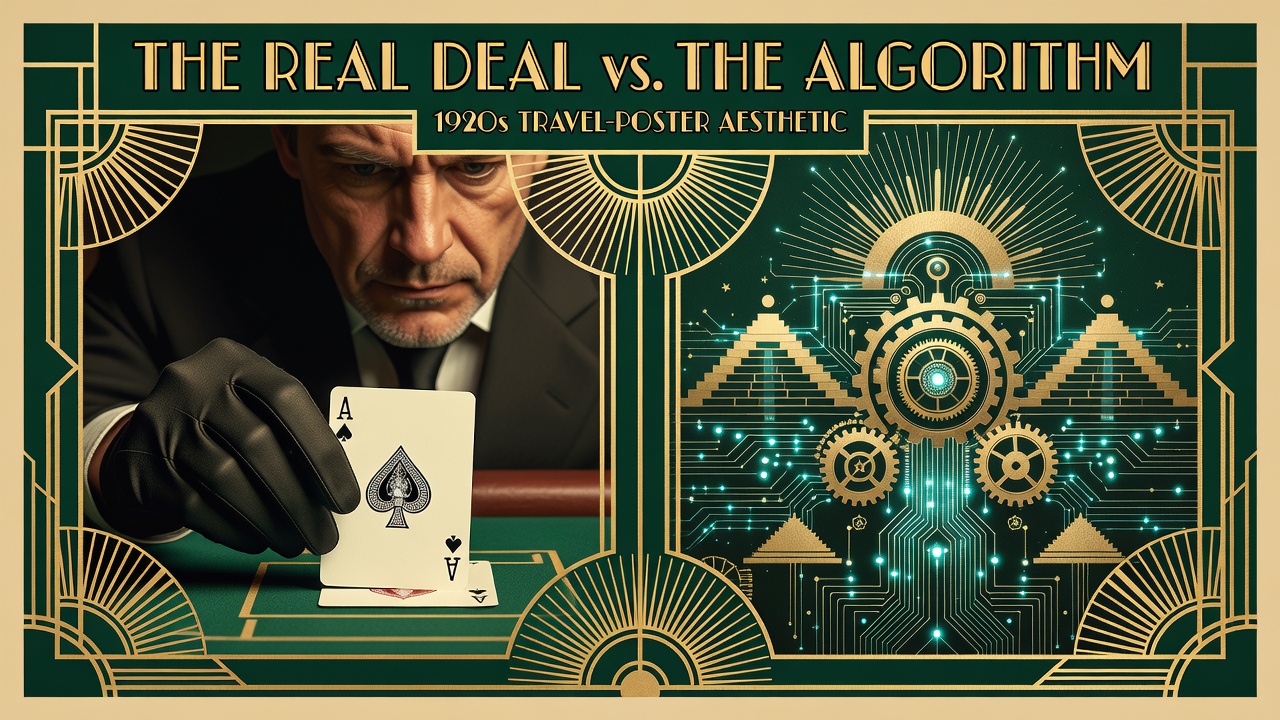
A random number generator (RNG) is a black box. Software runs, an outcome appears, you see the result. You do not see the mechanism. You trust that it is random because a regulator certifies it. This trust is rational but not emotional. It requires faith in authority.
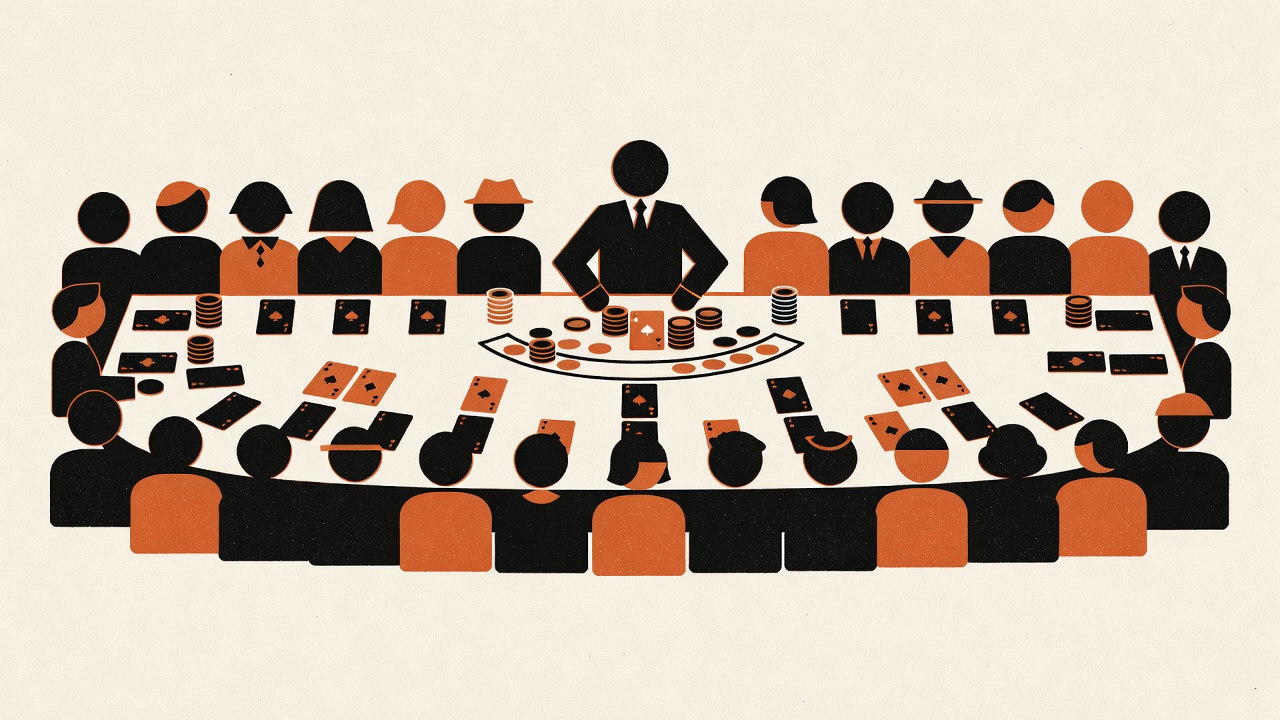
A live dealer broadcasts a human card dealer and physical cards. You see the dealer shuffle. You see the cards dealt. You see the outcome. This visibility creates emotional trust because you have personally witnessed the event. You did not see something invisible; you saw something tangible.
This difference in trust is real and documented. Research on gambling preferences shows that players prefer live dealer games to RNG equivalents, even when the mathematical odds are identical. The preference is driven by perceived fairness, not actual fairness (since both are equally fair).
Why does visibility matter? Because human cognition evolved to trust what it can see more than what it cannot. In an ancestral environment, seeing something directly was trustworthy. Hearing about something secondhand was less trustworthy. This pattern persists in modern gambling: direct observation beats abstract claims.
The Illusion of Control
Live dealer games also create illusion of control. You think that the timing of your bet, or the angle of the camera, or some subtle factor in your behavior affects the outcome. In reality, the outcome is predetermined. But the feeling that you have some influence increases engagement and satisfaction.
This is documented in psychology. When people feel they have agency (influence over outcomes), they report higher satisfaction, even when the objective outcome is identical. Slot machines with physical reels create more illusion of control than digital reels. Live dealer games with multiple camera angles create more illusion than single-angle RNG games.
Operators understand this. They invest in live dealer studios, multiple cameras, high-definition broadcasts, and real-time dealer interaction not because it improves fairness (it does not), but because it improves perceived fairness and player engagement.
"Live dealer games are trust theater. The visible mechanism is fair, but the trust is psychological, not mathematical."
One consideration: latency. Live dealer broadcasts have a slight delay (milliseconds) between the physical event and your screen display. You think you are watching live, but technically you are watching a broadcast delayed by 200ms-500ms. This does not affect fairness, but it does affect the illusion of real-time participation. Some players notice this and lose the immersion.
Another consideration: dealer professionalism. A professional dealer who shuffles clearly, deals precisely, and maintains composure enhances trust. An amateur dealer who fumbles, seems uncertain, or takes excessive time reduces trust. Operators recognize this and invest in dealer training. They pay attention to the human elements that affect player perception.
The broader lesson: trust is not purely rational. It is emotional, psychological, and affected by design. Live dealer games succeed not because they are more fair than RNG games (they are not), but because they are designed to feel more fair. This feeling affects player behavior, retention, and spending.
Rooms for this read
Share this read