Land-Based Casino Etiquette for Blackjack Tables
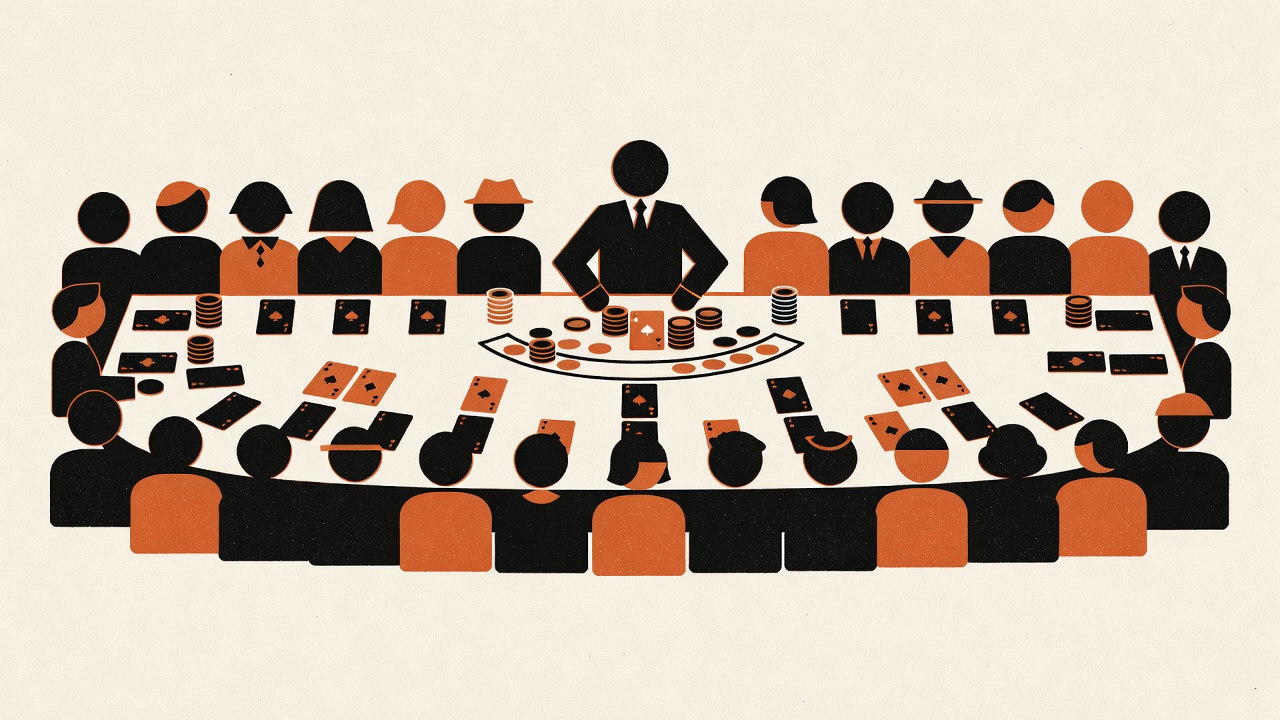
Blackjack table etiquette is not arbitrary. Each rule serves a specific function: protecting the game's integrity, managing dealer workload, and maintaining flow. Violating them marks you as a newcomer.
The full read
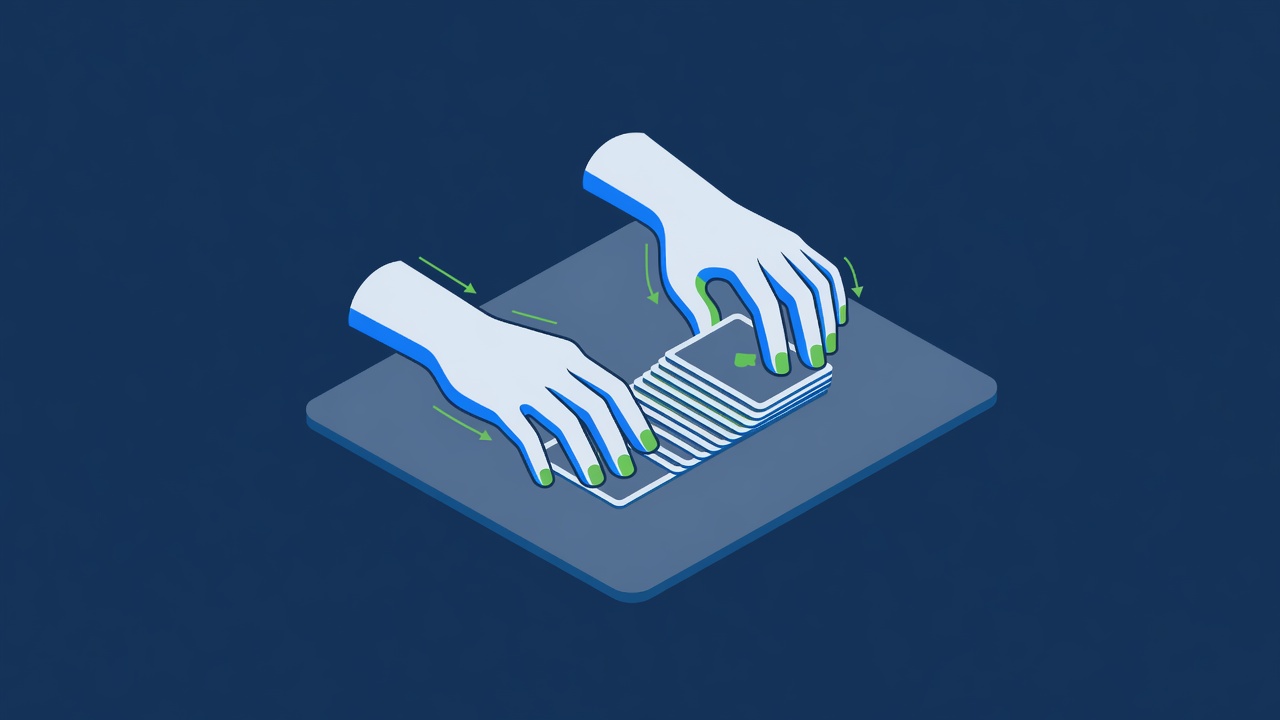
Do not touch the cards yourself. The dealer touches the cards. You do not. In a shoe game (multiple decks dealt from a shoe), the rule is absolute: you indicate hit or stand with hand signals only. A thumbing motion means hit. A wave-off motion means stand. This is not superstition; it is card security. If the player touches the cards, they could subtly manipulate them (bend, mark, or exchange). The shoe system depends on the dealer maintaining exclusive control of the cards.
Do not touch your chips after the hand is dealt. You place your bet before the dealer calls out "no more bets." Once play begins, your chips are locked. Reaching for them suggests you want to change your bet mid-hand, which is against the rules. The rule is not arbitrary; it prevents cheating and dispute.
Make hand signals, not verbal declarations. Say "hit" at some tables and you will be corrected by the dealer or a pit boss. Hand signals are standardized and visible to surveillance cameras. Verbal declarations create ambiguity: did the dealer hear you? Did you say "stand" or "stand again"? Hand signals leave no room for misinterpretation.
If the dealer shows a card that appears wrong (a 0-value card when a 10 should have been dealt), do not panic or accuse the dealer of cheating. Raise your hand and notify the pit boss. Let them investigate. The pit boss's job is to maintain game integrity. The dealer is not your opponent; the house is. Treat the dealer neutrally.
"Blackjack etiquette prevents cheating claims, maintains surveillance clarity, and speeds up play."
Do not comment on other players' decisions. If another player hits on 16 when basic strategy says to stand, that is their bankroll, not yours. Criticism marks you as unsophisticated and creates table tension. The unspoken rule: at the table, you are strangers. The only conversation is between players and dealer.
Place your chips clearly in the betting square. Not three inches away. Not partially outside the square. Directly in it. This prevents ambiguity about the size of your bet and whether your bet was actually placed.
If you win a hand, do not push your winnings around obsessively. You win, you leave them alone until the next bet. Touching and rearranging winnings suggests you are second-guessing your bets or verifying the payout. The dealer has already verified the payout. Moving the chips creates confusion and slows the game.
Do not play while intoxicated beyond a certain threshold. Casinos serve free drinks for exactly this reason: they know mild intoxication increases risk-taking. But severe intoxication slows the game, creates confusion, and occasionally produces aggressive behavior. Dealers and pit bosses will refuse service to severely intoxicated players. This is both a courtesy (you are making bad decisions) and a self-protection (the casino does not want liability).
Tip the dealer when you win a significant hand or when you are leaving after a winning session. The tip is not mandatory, but it is customary. A dollar or two per hand is standard. Dealers earn minimum wage in most jurisdictions and depend on tips for income. This social contract is not enforced by rules; it is enforced by reputation. Stiff dealers and you will be remembered.
Finally, do not sit down at a table if you do not intend to play. Sitting in a seat reserves it. If you are tired and watching, stand to the side. Seated players are expected to play the next hand.
Rooms for this read
Share this read