Live Dealer Game Show Crossovers: Are They Really Table Games?
Game show-style live dealer games (Crazy Time, Dream Catcher) blur the line between slots and table games. They have live dealer elements but game mechanics that are purely chance-based.

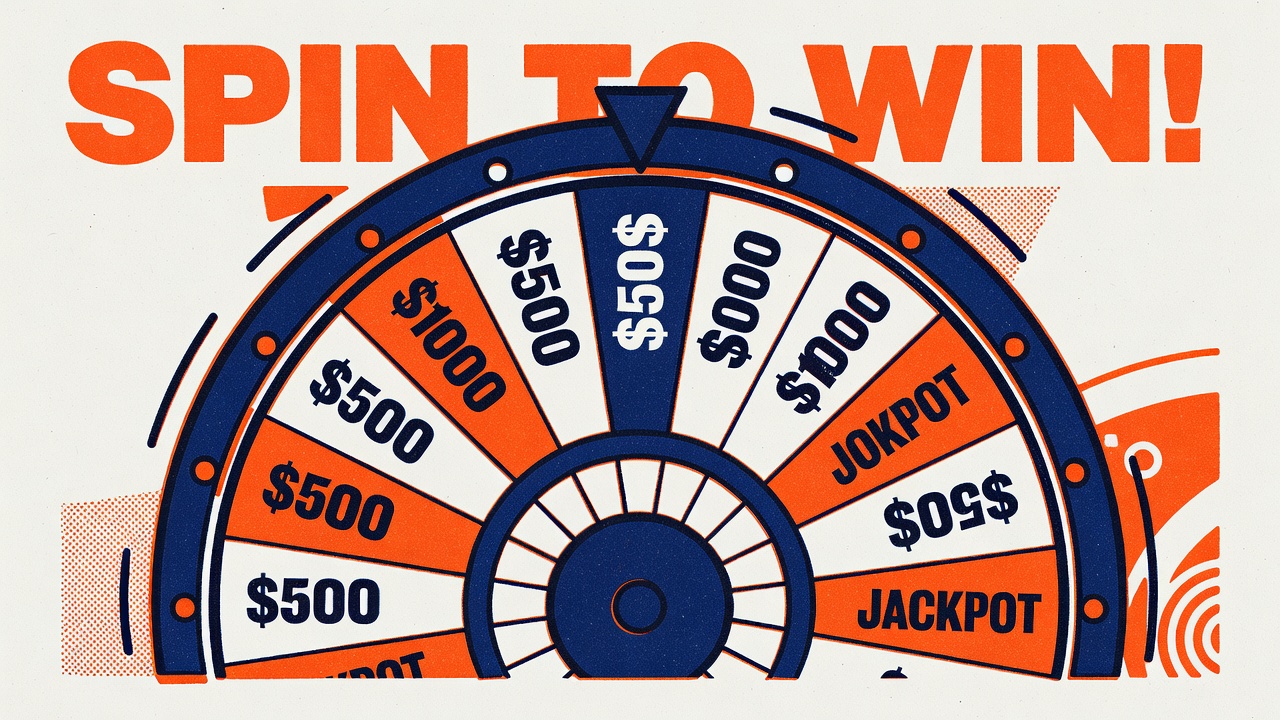
Dream Catcher is not blackjack. It is not baccarat. It is a spinning wheel with numbered segments, dealt by a live human, broadcast to your phone in real-time. The question persists: is this a table game or an elaborate slot machine disguised as live dealer content?
The technical distinction is important for licensing, regulation, and payout structure. Table games typically have theoretical return-to-player percentages regulated by gaming commissions (97-98% RTP for most table games). Slots have distinct regulatory treatment. Dream Catcher claims to be a live-dealer game but operates mechanically like a slot machine (pure chance, no player decisions, predetermined payout odds).
The regulatory answer varies by jurisdiction. Some regulators classify game show games as table games because they involve a live dealer. Others classify them as slots because the outcome is entirely determined by randomness (the wheel's composition). Malta Gaming Authority tends toward the table-game classification. Some US states classify them differently.
From the player's perspective, the distinction barely matters. Dream Catcher pays whatever the house programmed it to pay. Whether it is classified as a table game or a slot changes nothing about probability or expected value. It is an aesthetic choice by the operator: do you want the experience of a live dealer, or do you want the simplicity of an RNG machine?
Why The Confusion Exists
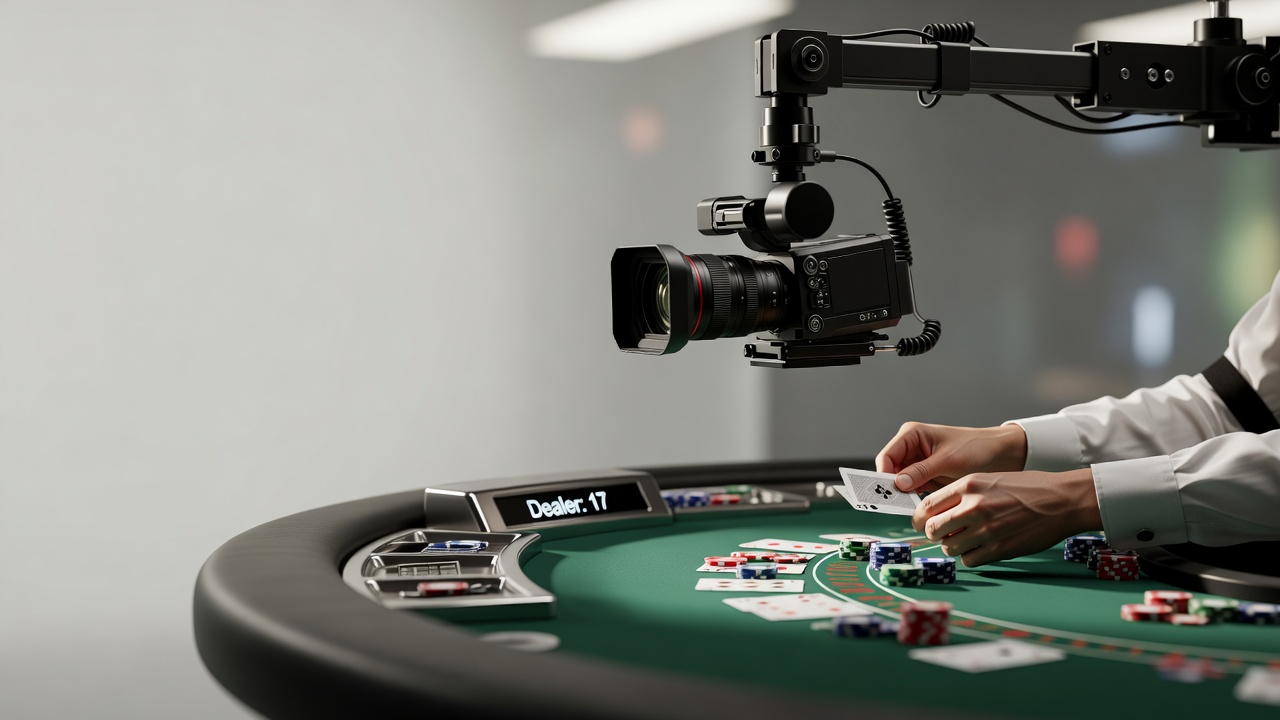
Game show games are intentionally designed to blur lines. They have human dealer elements (the host, the banter, the real-time interaction). They have table game aesthetics (a real physical wheel, real camera angles). But they have slot mechanics (no player decisions, purely determined outcome, fixed return to player).
Operators market these as "premium slots" or "live table games" depending on context. The marketing language itself is ambiguous. This ambiguity serves the operator: they can attract players who prefer table games (by emphasizing the live dealer aspect) and players who prefer slots (by emphasizing the simplicity and speed).
Regulators have struggled with classification because the games do not fit neatly into existing categories. Traditional table games require player decisions (hit, stand, raise). Traditional slots require no decisions. Game show games have a hybrid: no decisions affecting outcome, but interactive elements (can you influence the wheel spin by timing your bet, or is the wheel already determined before you bet).
"Game show games are regulatory gray zones that exploit the boundary between table games and slots to market themselves to both audiences."
From a pure mathematics standpoint, game show games are pure slots. The outcome is predetermined before the player makes their decision (the wheel's landing spot is determined before it stops, or the RNG has already picked the result). The player's illusion of agency ("my timing affected the result") is just that: illusion.
But regulators often allow this classification flexibility because operators argue that the live dealer component adds value and differentiation from pure digital slots. The argument has merit from a consumer-experience perspective, even if the math is identical.
One practical implication: if you prefer traditional table games (blackjack, baccarat, roulette), game show games are not a substitute. They look like table games but operate like slots. You get neither the strategy depth of tables nor the expected-value of better table-game RTP percentages. You get a middle-ground product that satisfies neither audience perfectly but attracts both.
Rooms for this read
Share this read