Why Some Crypto Casinos Use Only Stablecoins
Bitcoin is crazy volatile. Ethereum swings ten percent in a day. So some crypto casinos said: we only take stablecoins. This is actually insane from a business perspective, and here is why it makes perfect sense.
Okay, so here is the thing. Imagine you run a crypto casino. You accept Bitcoin. A customer deposits five thousand dollars worth of Bitcoin. Awesome. You now hold five thousand dollars of Bitcoin.
Two hours later, Bitcoin drops fifteen percent. Your five thousand is now four thousand two hundred fifty. That is a loss of seven hundred fifty dollars and you did not make a single bet.
That is the volatility problem. Crypto casinos that hold Bitcoin are gambling on Bitcoin price movement in addition to gambling on their games. That is insane. You do not want two sources of risk. You want one.
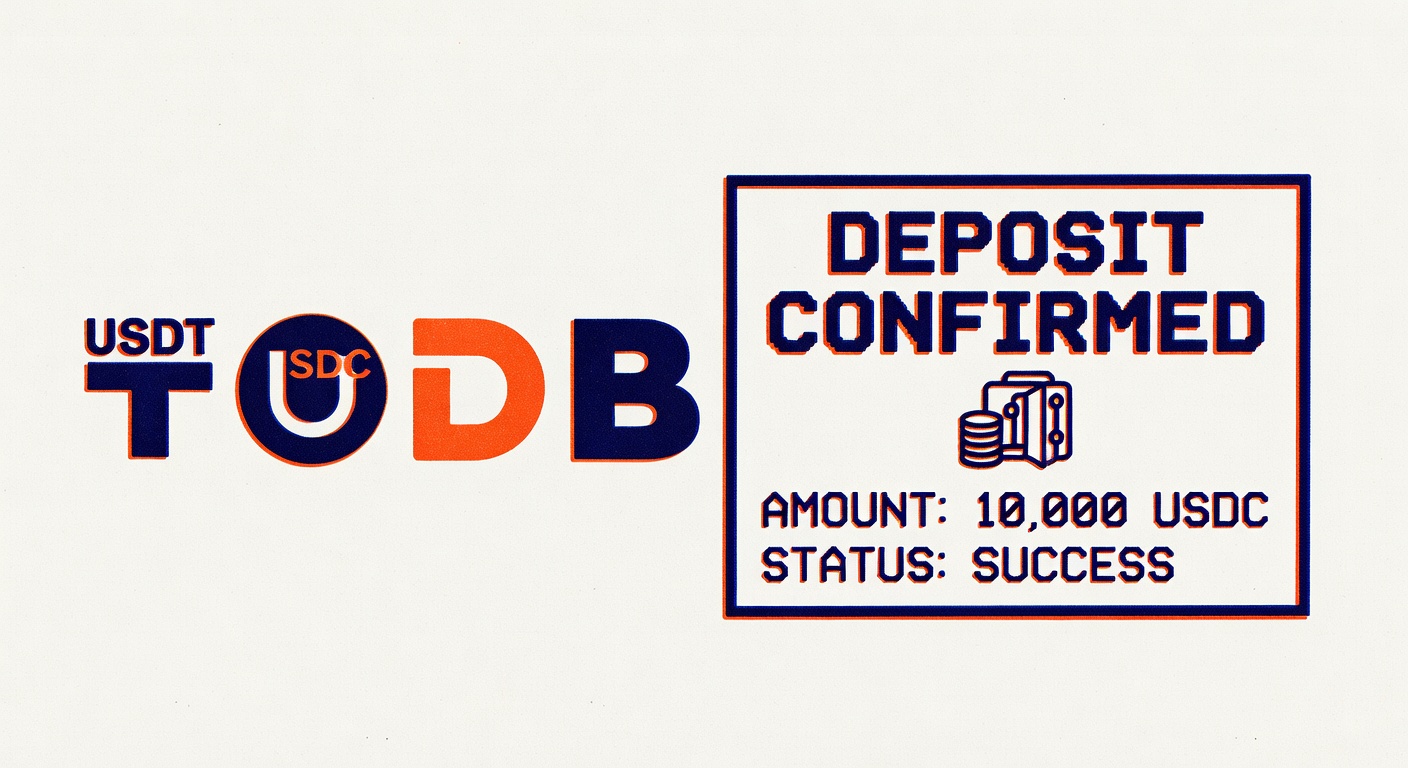
Stablecoins like USDC and USDT are pegged to the US dollar. One USDC is always worth one dollar. Your customer deposits five thousand USDC. Two hours later, it is still worth five thousand dollars. The casino's risk is only on the games, not on the underlying asset.
So why do not all crypto casinos use only stablecoins? Because Bitcoin holders want to play with Bitcoin. If your casino only accepts USDC, Bitcoin hodlers have to convert to USDC first. That costs fees. They go to a casino that accepts Bitcoin directly.
But the casinos that went stablecoin-only made a strategic choice: we would rather have fewer customers with stable revenue than more customers with volatile exposure. This is actually the right move financially.
The twist: some casinos use stablecoins internally but accept any cryptocurrency at deposit. You send Bitcoin. They immediately convert to USDC. You send Ethereum, they convert to USDC. Your balance is always in stablecoins. When you withdraw, you can withdraw as USDC or they convert to your chosen currency.
That approach combines the best of both. You accept all cryptocurrencies, which attracts customers. You maintain your internal risk in stablecoins, which protects the business. Customers accept the conversion because they understand volatility.
The adoption rate: Stablecoins are becoming standard at crypto casinos because they solve the volatility problem elegantly. A player does not need to understand the difference between USDC, USDT, and other stablecoins. They just need to know the balance is stable. As stablecoins become more mainstream, expect crypto casinos to adopt them universally. Bitcoin and Ethereum will become funding mechanisms. Stablecoins will become the playing medium.
The Underlying Mechanics
Understanding the basics of how this topic functions requires looking at the incentive structures and the economic pressures that shape behavior. The players involved are responding to rational incentives, even when those incentives lead to outcomes that seem suboptimal from an outside perspective.
The decision-making process at each step is not random. It is shaped by historical precedent, regulatory pressure, and the competitive landscape. When one operator makes a move, others follow or diverge based on their specific market position and clientele.
The Long-Term Implications
Over years and decades, these patterns compound. Small edges add up. Small behavioral nudges accumulate. The gap between casual understanding and sophisticated understanding becomes enormous.
A player who grasps the mechanics at a deep level can operate with an advantage. They can navigate the landscape in ways that the casual participant cannot. This is true in virtually every gambling domain. The edge belongs to those who understand the fine details.
The future will likely see further refinement and complexity. As the market matures and competition increases, operators will continue optimizing their offerings. Players will continue developing better strategies. The arms race continues indefinitely.
Rooms for this read
Share this read