Playing Roulette With Cryptocurrency: A Practical Guide
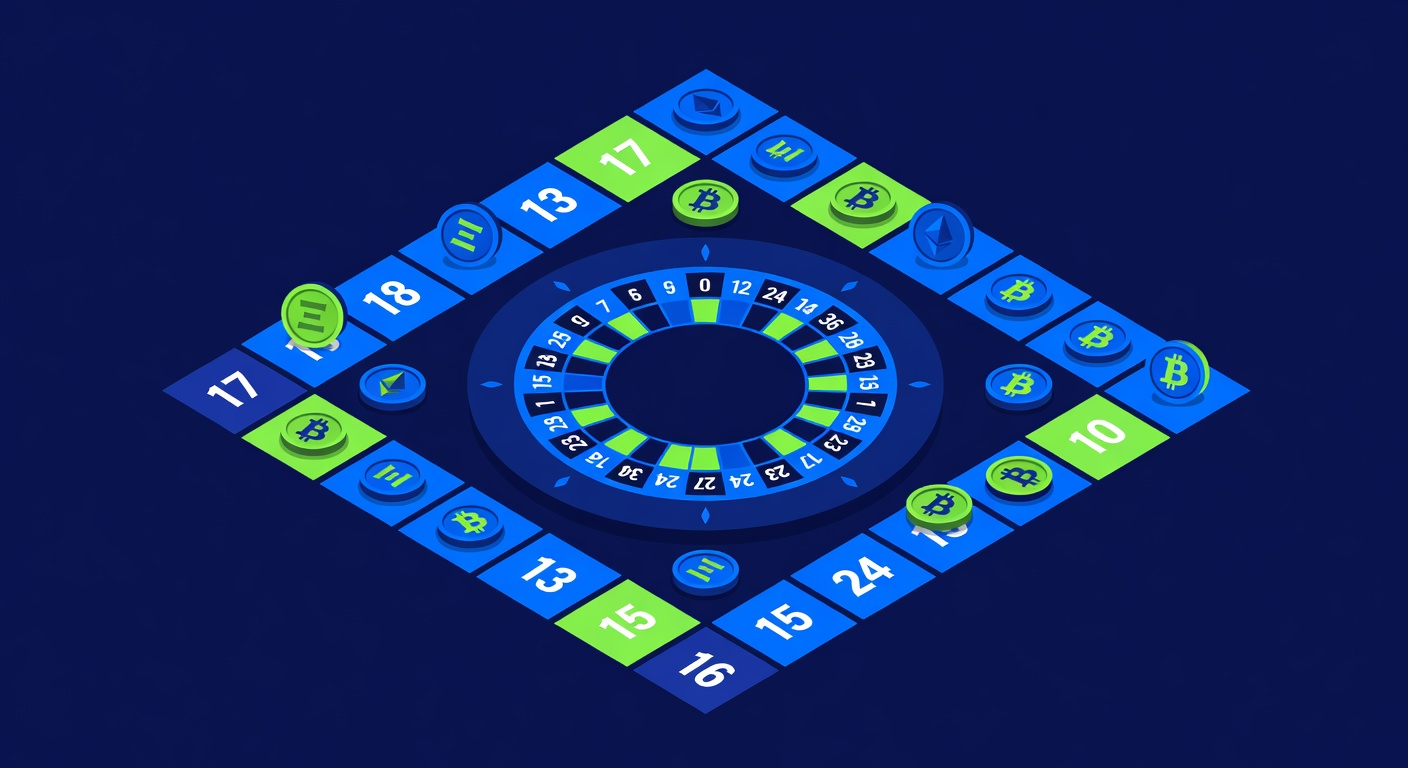
Crypto roulette is roulette that accepts Bitcoin instead of chips. The odds are identical. But the psychology is different. That difference costs money.
I worked the pits for forty years and I saw a.
What changed is how the money moves. In crypto roulette, you deposit Bitcoin. You play roulette. You withdraw Bitcoin if you win. The transaction is faster. The regulatory environment is weird. But the game? Same game.
The Volatility Tax
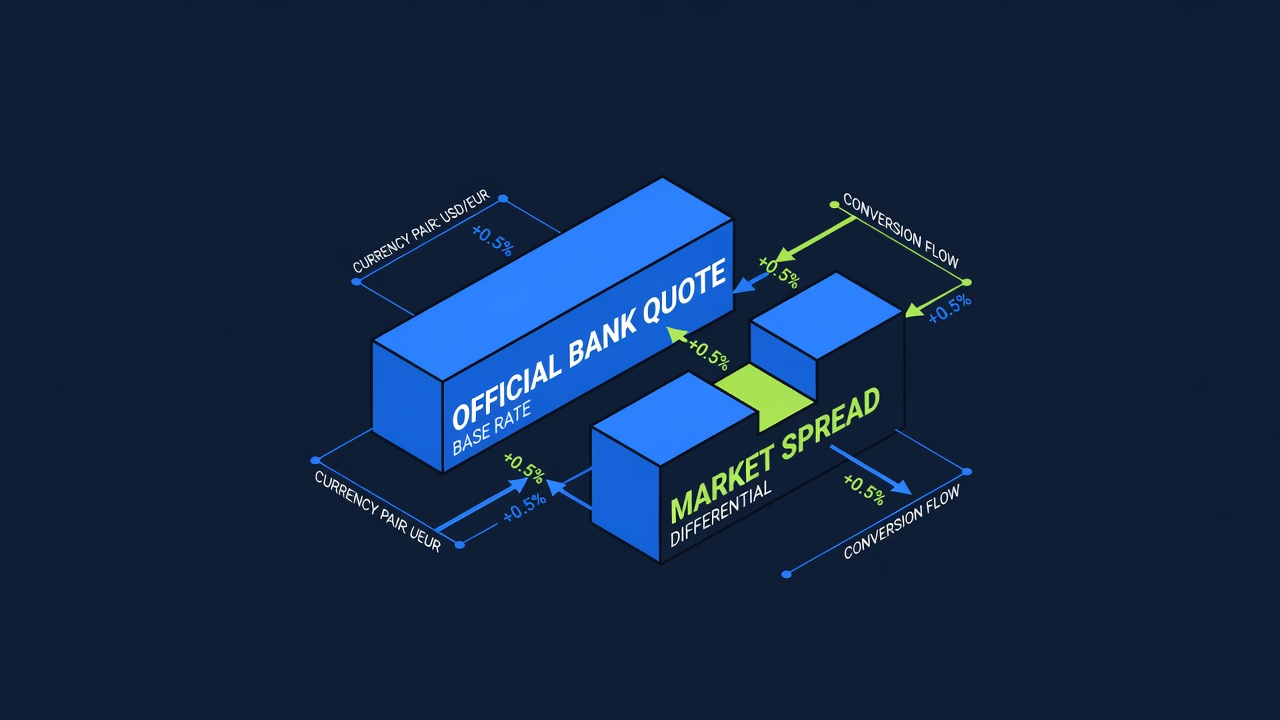
You deposit Bitcoin at thirty thousand dollars per coin. While you are playing, Bitcoin drops to twenty-eight thousand. Your original deposit is now worth less. When you cash out your winnings, they are worth less than they should be.
This is the hidden cost of crypto gambling. The casino does not take it. The market takes it. You lose it. Sometimes you gain it. Usually you lose it because the casino profits from volatility the same way they profit from the house edge.
The Speed Advantage
Crypto roulette lets you play faster. You can spin every fifteen seconds instead of every ninety seconds. Faster play means more action. More action means more expected loss. A house edge of 2.7 percent on twenty spins per hour compounds to 54 percent per hour in expected value. On one hundred spins per hour, it becomes 270 percent of your initial bet. The speed is a trap.
The Tax Consequences
Every crypto transaction is a taxable event in most jurisdictions. When you cash out, the government wants to know what you won or lost. Most crypto gamblers do not track this. The tax bill arrives unexpectedly. The surprise is larger than the losses.
The Only Real Difference
Crypto roulette is roulette. The game has not changed. The odds have not changed. The only thing that changed is the medium. That medium makes the game feel different. The feeling is worth less than nothing. It is a distraction from what the game actually is.
For the player, understanding this dynamic is essential. Most casual participants overlook the mechanics entirely. This oversight costs them money consistently. The margin between informed play and uninformed play grows with each decision made. Over time, these margins become substantial. The cost of ignorance compounds.
The Takeaway
For the serious player, this understanding is foundational. The difference between casual and professional approach is measurable. Over a season, the marginal gains accumulate. These gains are not luck. They are the result of systematic thinking about the mechanics that most players ignore.
The player who understands these principles will lose less money in the long run. The player who masters these principles might actually edge into profitability. Neither outcome is guaranteed. The advantage is real nonetheless.
The numbers matter. The discipline matters. The emotional control matters. Without all three, the best information is worthless. With all three, even modest insights compound into significant advantages.
Rooms for this read
Share this read