Pai Gow Poker Explained: Rules, Strategy, and House Edge
Pai Gow Poker is a game nobody has heard of until they enter an underground room in Chinatown. The rules seem simple. The strategy is deceptively deep. Here is what actually matters.
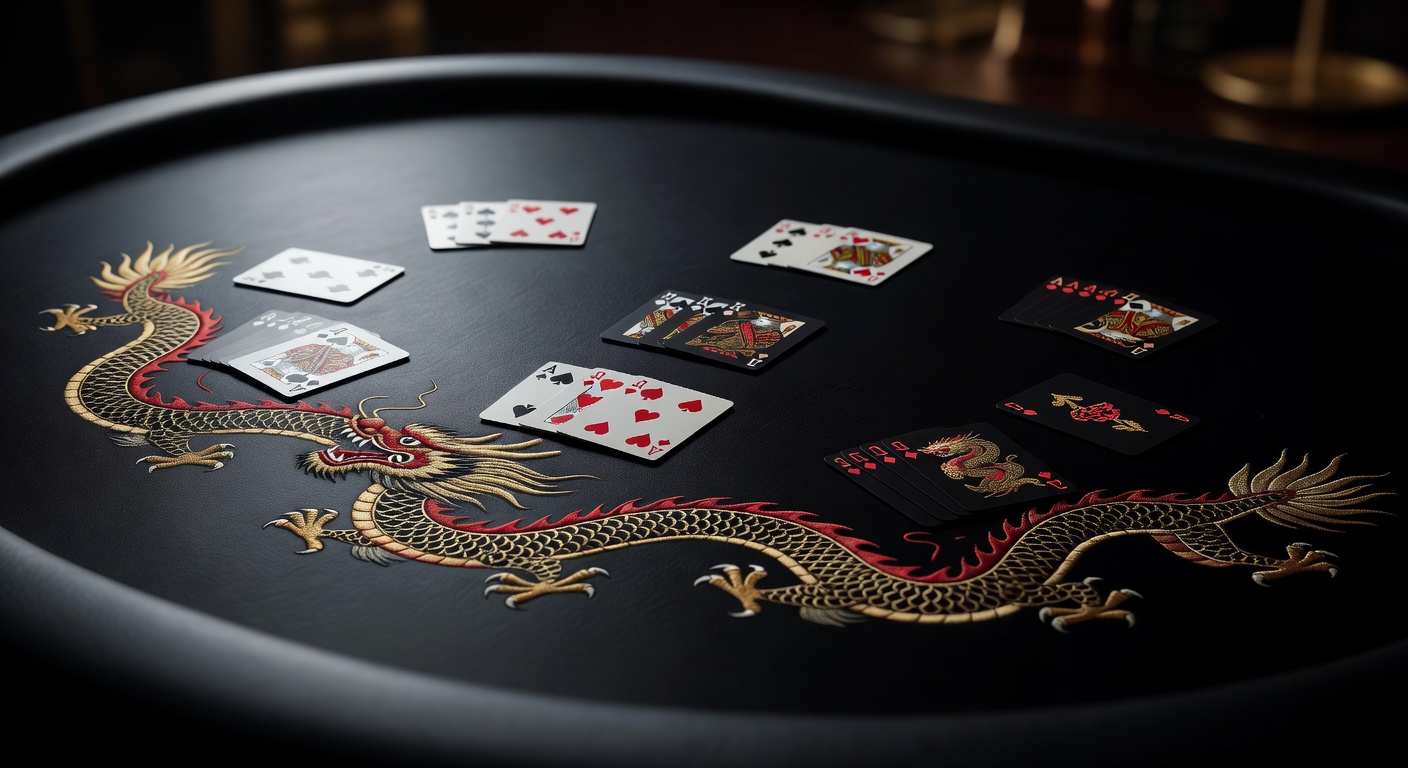
Pai Gow Poker is played with a fifty-three card deck: standard fifty-two plus one joker. The joker is wild. A player makes two poker hands: one five-card hand and one two-card hand. The player wins if both hands beat the banker's corresponding hands.
The hierarchy differs from standard poker. In the two-card hand, a pair beats ace-king. This matters because it inverts some strategy.
In an underground room, the banker is often a professional. The player pays a commission: 5 percent if the player wins. The player has no commission if the player loses. This creates the house edge.
If you play the optimal strategy, the house edge is approximately 1.5 percent. But optimal strategy is complex. It depends on the dealer's face-up card (the joker position) and advanced probability calculations.
Most players do not know optimal strategy. They play intuitive strategy, which is usually wrong. A common mistake: splitting a pair of aces into two one-ace hands, which is losing strategy.
The ethnographic observation: Pai Gow Poker is the game of Asian immigrant communities in America. It is played in underground rooms that exist in a legal gray zone. The games are often unregulated. The banker might be the room owner, creating a conflict of interest.
Players in these rooms understand the game deeply. They know the hand rankings. They know the strategy. They know they are gambling against someone with house advantage built into the game structure.
Why they play anyway: The game is social. The pace is slow. The stakes are social as much as financial. A Pai Gow Poker room is a community space where gambling is the language.
The underground context: Pai Gow Poker exists in underground rooms because it is legal in most jurisdictions as a card game, not as gambling, even when money changes hands. The distinction is technical and often ignored by law enforcement. The game persists because the demand persists. The community around Pai Gow Poker is real and deep.
The Underlying Mechanics
Understanding the basics of how this topic functions requires looking at the incentive structures and the economic pressures that shape behavior. The players involved are responding to rational incentives, even when those incentives lead to outcomes that seem suboptimal from an outside perspective.
The decision-making process at each step is not random. It is shaped by historical precedent, regulatory pressure, and the competitive landscape. When one operator makes a move, others follow or diverge based on their specific market position and clientele.
The Long-Term Implications
Over years and decades, these patterns compound. Small edges add up. Small behavioral nudges accumulate. The gap between casual understanding and sophisticated understanding becomes enormous.
A player who grasps the mechanics at a deep level can operate with an advantage. They can navigate the landscape in ways that the casual participant cannot. This is true in virtually every gambling domain. The edge belongs to those who understand the fine details.
The future will likely see further refinement and complexity. As the market matures and competition increases, operators will continue optimizing their offerings. Players will continue developing better strategies. The arms race continues indefinitely.
Rooms for this read
Share this read