Gibraltar, Isle of Man, and Alderney: Comparing Small but Established Jurisdictions
These three jurisdictions are the foundation of online gambling regulation. Understanding them is essential.
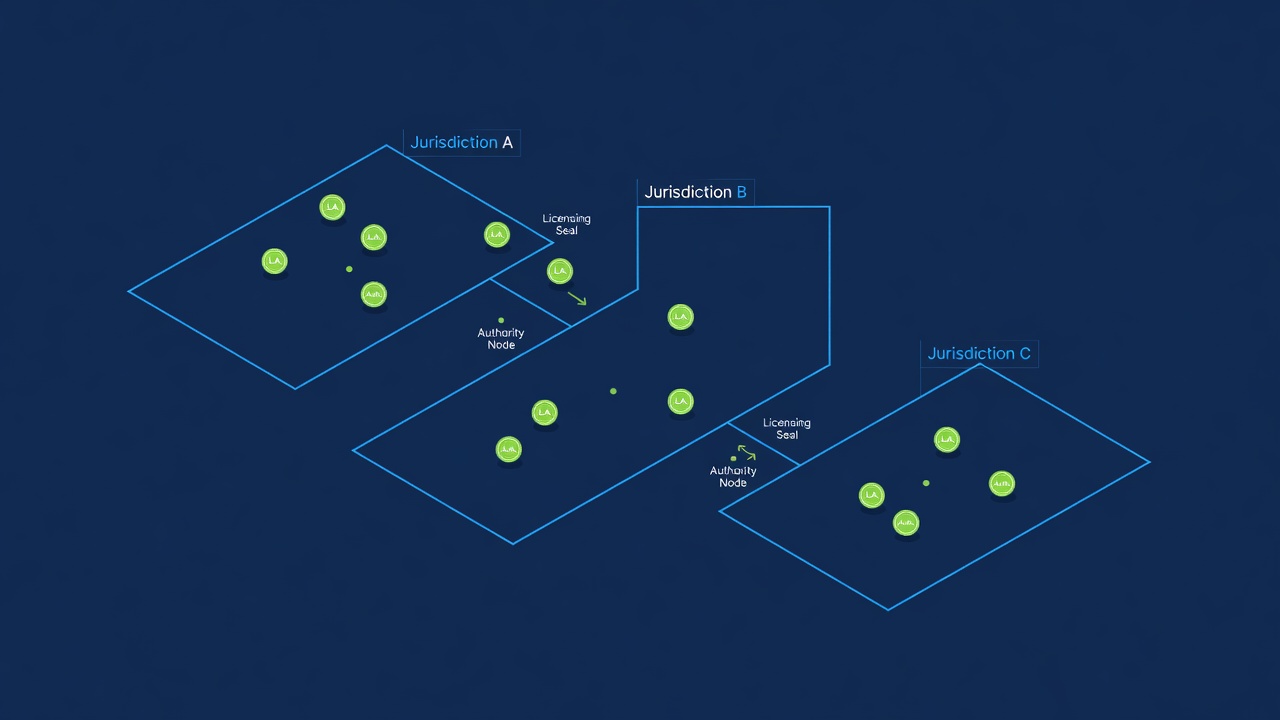
Gibraltar, Isle of Man, and Alderney are three small jurisdictions that have become the primary regulators of online gambling globally. They account for the licensing of roughly 30-40 percent of all regulated online casinos worldwide. Understanding the differences between them matters if you want to understand the regulatory landscape.
Gibraltar: The Strategic Location
Gibraltar is a British Overseas Territory located on the southern tip of Spain. It has been a gambling jurisdiction since 1997 when it passed the Gambling Ordinance. Gibraltar's appeal is its location (close to EU markets), its stability (British governance), and its regulatory approach (permissive but rigorous).
Gibraltar's gambling regulator is the Gibraltar Gambling Commissioner. The Commissioner oversees roughly 40 licensed operators. License requirements are strict: operators must have significant capital, clear ownership structures, compliance programs, and responsible gambling policies. But once licensed, operators have considerable freedom to operate.
Gibraltar's advantage is that it is part of the EU (technically, the Gibraltar clause of the Brexit agreement allows it special trading status). This means operators licensed in Gibraltar can market to EU players with some legitimacy, even in jurisdictions that have their own regulatory requirements (like France or Germany).
Isle of Man: The Standard Bearer
Isle of Man is a Crown Dependency (not technically part of the UK, but under British sovereignty). It has been a gambling jurisdiction since 1999. Isle of Man's gambling regulator is the Gambling Supervision Commission. The jurisdiction is known for having high regulatory standards and a stable, long-established framework.
Operators licensed in Isle of Man tend to be larger, more established operators. The licensing process is thorough and expensive. But once licensed, Isle of Man licenses are recognized globally as legitimate and trustworthy. A player in the UK or North America seeing an Isle of Man license tends to feel confident.
Isle of Man's disadvantage is that it is not part of the EU or modern trade agreements. Post-Brexit, this has become more complicated. Isle of Man is not part of the EU, so it does not automatically have the regulatory reciprocity that EU jurisdictions enjoy.
Alderney: The Progressive Jurisdiction
Alderney is a small island in the Channel Islands (north of France, south of England). It is not part of the UK but is a Crown Dependency like Isle of Man. Alderney became a gambling jurisdiction in 2007 and has positioned itself as more progressive and tech-forward than its competitors.
Alderney is known for being faster to license new technologies and for having a more modern regulatory approach. Cryptocurrencies, blockchain-based games, and new game types get licensed faster in Alderney than in other jurisdictions. This makes Alderney popular with innovative startups.
Alderney's disadvantage is that it is less well-known and carries less regulatory prestige than Isle of Man. A player seeing an Alderney license might think the operator is less established than one with an Isle of Man license, even if both meet equivalent regulatory standards.
The Regulatory Standards Comparison
All three jurisdictions require operators to: segregate player funds, implement RNG testing by independent agencies, maintain AML/KYC compliance, implement responsible gambling tools. The requirements are similar. The enforcement rigor is also similar: all three have track records of fining or revoking licenses for violations.
The difference is in licensing speed and regulatory flexibility. Gibraltar can license an operator in 3-4 months. Isle of Man takes 6-9 months. Alderney takes 2-3 months. If a startup needs to launch quickly, Alderney is fastest.
The Tax Environment
Gibraltar taxes operators at roughly 20 percent of gross gaming revenue. Isle of Man is slightly higher, around 20-25 percent depending on the operator type. Alderney is the lowest at roughly 15-20 percent. These differences affect operator profitability and thus the consumer experience (higher tax leads to slightly higher house edges to recover profitability).
The Reputation and Market Position
Gibraltar is for operators who want European credibility. Isle of Man is for operators who want international prestige. Alderney is for operators who want to innovate and move fast.
From a player's perspective, all three offer similar player protections and regulatory rigor. The choice between them (which license does your casino have?) should not be the primary factor in choosing where to play. Reputable operators exist in all three jurisdictions, and disreputable operators might also be licensed in all three.
The Future of These Jurisdictions
All three jurisdictions are feeling pressure from larger, more powerful regulators (the UK, the EU, various US states) who want to impose their own standards. Some are proposing reciprocal agreements: "if you are licensed in our jurisdiction and in Gibraltar, we will not double-regulate you."
The future might see consolidation: fewer jurisdictions handling more operators, or larger regulators (the UK, the EU) taking over the regulatory role. But for now, these three small jurisdictions remain the global center of gravity for online gambling regulation.
Rooms for this read
Share this read