Currency Conversion Fees at Online Casinos
A player from London wires pounds to a casino account in euros. The rate is never what the bank quotes. Conversion spreads at online casinos are tighter than the street, but still wide enough to skim real money.
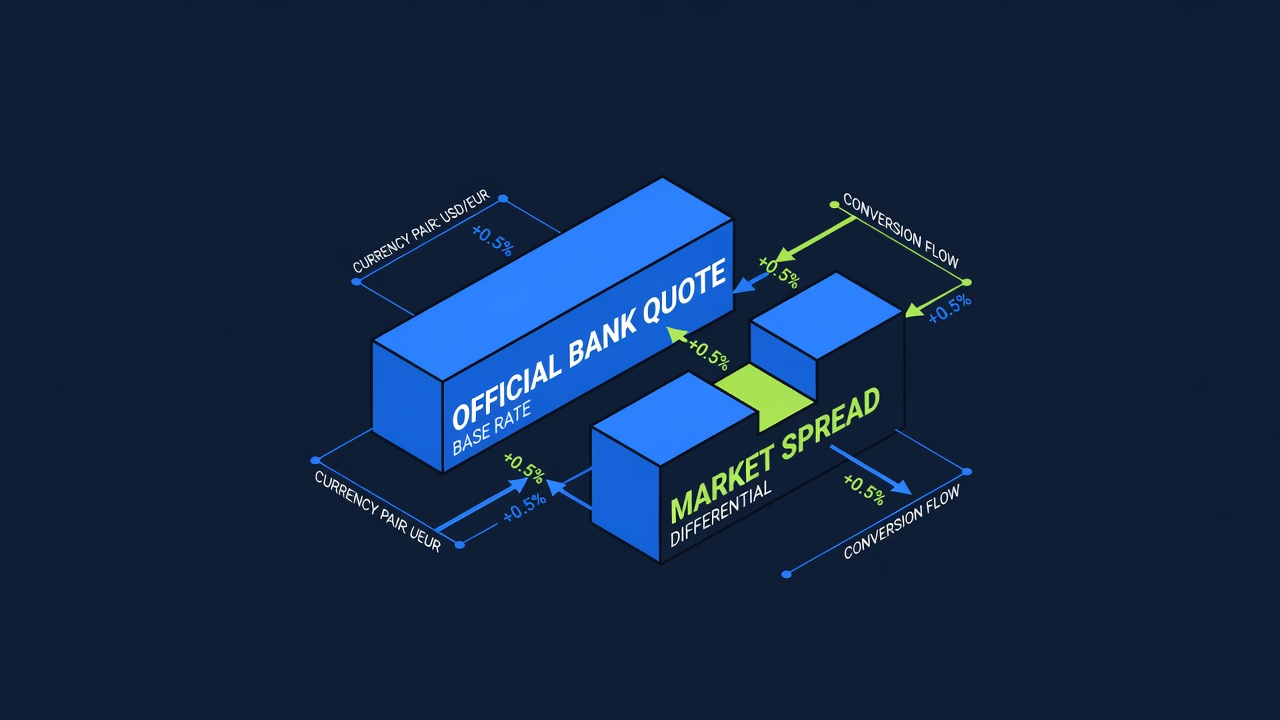
The casino floor at night smells like money and cologne. But the real money flows through screens in back offices, currency at a time. A player from Manchester logs in. He has GBP. The casino books its accounts in EUR. That gap between currency is where the house hides another edge.
I watched this for fifteen years. Player sends 1,000 pounds. Bank rate that day is 1.17 euros per pound. So 1,000 GBP should convert to 1,170 EUR. Player gets 1,155 EUR in his account. Where did the fifteen go? The casino's spread.
It is not theft. The player accepts the conversion when he clicks deposit. The terms of service say the casino may apply a currency conversion fee. Most players never read that part. They see the GBP balance drop and the EUR balance rise and assume it is a fair trade. It is not.
How Wide the Spread Really Goes
The casino knows the interbank rate every second. They pull it from a data feed. Bloomberg, Reuters, something reputable. Then they mark it up. The typical markup for an online casino is 1.5% to 3%. A bank that converts your travel money might apply 2% to 2.5%. A good online sportsbook might do 0.8%.
A player converting a large amount notices the drag. Five thousand pounds at 2.5% spread is 125 euros gone before he plays a hand. That is real money.
Some casinos disclose the spread upfront. The better European operators, especially those regulated by the Malta Gaming Authority or UKGC, will state clearly: "Currency conversion will be applied at the current interbank rate plus 2%." The bad operators hide it in the terms. By the time you notice, the money is already converted.
Why Casinos Do This
It is margin. A casino makes 3% to 5% hold on slots. But a player might deposit 5,000 euros once a month. Over twelve months, that is 60,000 euros. A 2% conversion spread on that flow is 1,200 euros a year per player. Scale that to thousands of players and you have millions in annual revenue. No wonder they do not advertise this.
The other reason is friction. Converting currency back when a player withdraws costs the casino money. So they apply a spread both ways. Deposit 1,000 GBP, get 1,155 EUR. Withdraw 1,155 EUR, get back 988 GBP. The player loses twice. The casino collects twice.
Smart players hedge this. If you are going to play regularly in a currency you do not hold, convert all your money upfront at a good rate (through a bank, or a service like Wise that charges a flat fee). Then manage the account in that single currency. One conversion instead of dozens. The math is cleaner.
The Crypto Alternative
Crypto casinos promise no conversion fees. Deposit Bitcoin, play in Bitcoin-denominated accounts, withdraw Bitcoin. True. But the quote on conversion from BTC to fiat at the casino is not always tight. The casino is still moving money through banking channels when you eventually try to cash out. Some casinos do not even let you withdraw fiat directly. You have to sell BTC on their preferred exchange, which applies its own spread.
It is the same game dressed differently. The venue is just more transparent about it.
What It Costs Over Time
A casual player who deposits 100 euros once every two weeks does not feel the spread. That is 5,200 euros a year. At a 2% conversion cost, that is 104 euros in drag. Over twelve deposits, spread across the year, it is imperceptible.
A player with a 50,000-euro bankroll who cycles through it weekly feels it immediately. That is 2,600 deposits annually if he deposits one-fifty each time. At 2% spread, he loses 1,300 euros a year purely on currency conversion. That is money that never gets a chance to turn into winnings or losses. It is just gone.
A high-roller international player moving millions through multiple currencies finds the spread is negotiable. The casinos will quote better rates for large steady flows. At a certain level, the relationship becomes a finance negotiation instead of a retail transaction. But for everyone else, the conversion fee is baked in and invisible.
The Setup
You are sitting at a table, comfortable. The cards fall your way for a while. You are up three hundred euros. You want to cash out. You request a withdrawal. The casino converts your account balance back to your home currency. You lose another 2% to the spread. The winnings that looked clean on screen suddenly feel thinner.
That is the house's final edge. The one nobody talks about. The currency conversion fee is legal, disclosed in the fine print, and profitable enough that casinos count on it. It is not the biggest leak in a player's bankroll. The house edge on the games themselves is steeper. But it is the leak that feels most like stealing, because it happens outside the game. The player can play perfectly and still lose money to the spread.
That is how the city works.
Rooms for this read
Share this read