How Advertising Rules Shape Online Gambling Marketing
Gambling operators spend billions on ads. Regulators have spent years tightening what those ads can say and where they can appear.
Walk down a London high street and you will not see a single gambling advertisement. Walk past a betting shop and the windows are dark; the operation is hidden inside. This was not always the case. In the 1990s, betting shop windows were storefronts to the street. In the 2000s, they turned inward, then began disappearing entirely as online gambling moved betting from physical locations into phones. With that migration came regulatory scrutiny of advertising that has fundamentally reshaped how operators market their products.
The UKGC (United Kingdom Gambling Commission) has become the reference point for advertising restrictions globally. In 2023, they published updated guidance requiring operators to remove advertisement imagery that targets under-25s through aspirational messaging, sports celebrity endorsements in certain contexts, and irresponsible claims about winnings. What was permitted marketing five years ago is now prohibited. The financial penalty for violation is substantial enough that operators have rewritten their entire media buying strategies.
The Celebrity Endorsement Ban and Its Workarounds
Until 2022, major operators hired football players and other athletes to appear in advertisements. Fred the Red, mascot of Manchester United, appeared in betting advertisements. Over time, the UKGC determined that celebrity endorsement created an unacceptable implicit suggestion that betting was endorsed by trusted figures. The guidance evolved: celebrities are no longer allowed in gambling advertisements at all in the UK.
Operators have worked around this by relocating campaigns to less-regulated jurisdictions and by shifting from famous-person endorsements to lifestyle imagery. Instead of a footballer holding a phone, the advertisement shows a hand holding a phone with a satisfied expression. The implication is the same, the mechanism is deniable.
Some European operators have gone further: they hire lesser-known personalities who are not technically celebrities but who have substantial Instagram followings. This sits in a gray area that regulators are still chasing.
The Odds Display Requirement
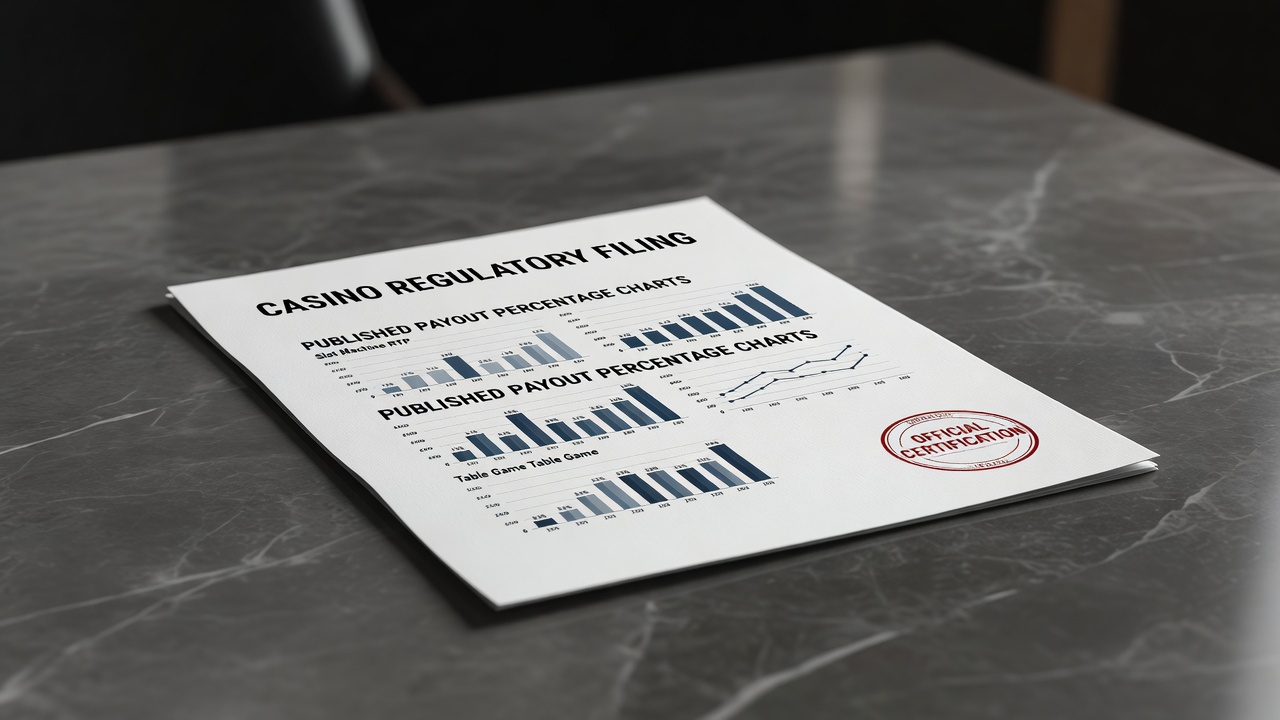
In the United States, state gambling regulators have begun mandating that advertisements include the house edge or odds of winning. This is not a universal requirement yet, but it is spreading. New Jersey, for example, requires operators to state the RTP (return to player percentage) for slots in any advertisement that makes claims about payouts. The rule is designed to prevent misleading claims about likelihood of winning.
The practical effect has been that most operators have stopped making payout claims in their advertisements. Instead of "Average Return to Player 96%", you see "Exciting slots action awaits." The regulatory requirement to disclose house edge has made edge claims less valuable as marketing material than the emotional appeal of play itself.
Responsible Gambling Messaging Requirements
Every licensed operator now includes responsible gambling messaging in their advertisements. In the UK, operators must display the National Gambling Helpline number (08000 88 8671) and a link to BeGambleAware in any advertisement. In the EU, operators include Gambling Therapy. In the United States, the National Problem Gambling Helpline is mandated.
This creates a strange tension: the operator is spending money to attract customers while simultaneously telling them to call a helpline if they develop problems. The requirement is regulatory. Operators comply because non-compliance results in license suspension or revocation. Some operators have reported that including the helpline number has not measurably reduced customer acquisition, suggesting that problem gambling concerns are not top-of-mind for casual players or that they believe the problem gambling messaging does not apply to them.
Geotargeting and Jurisdiction-Specific Rules
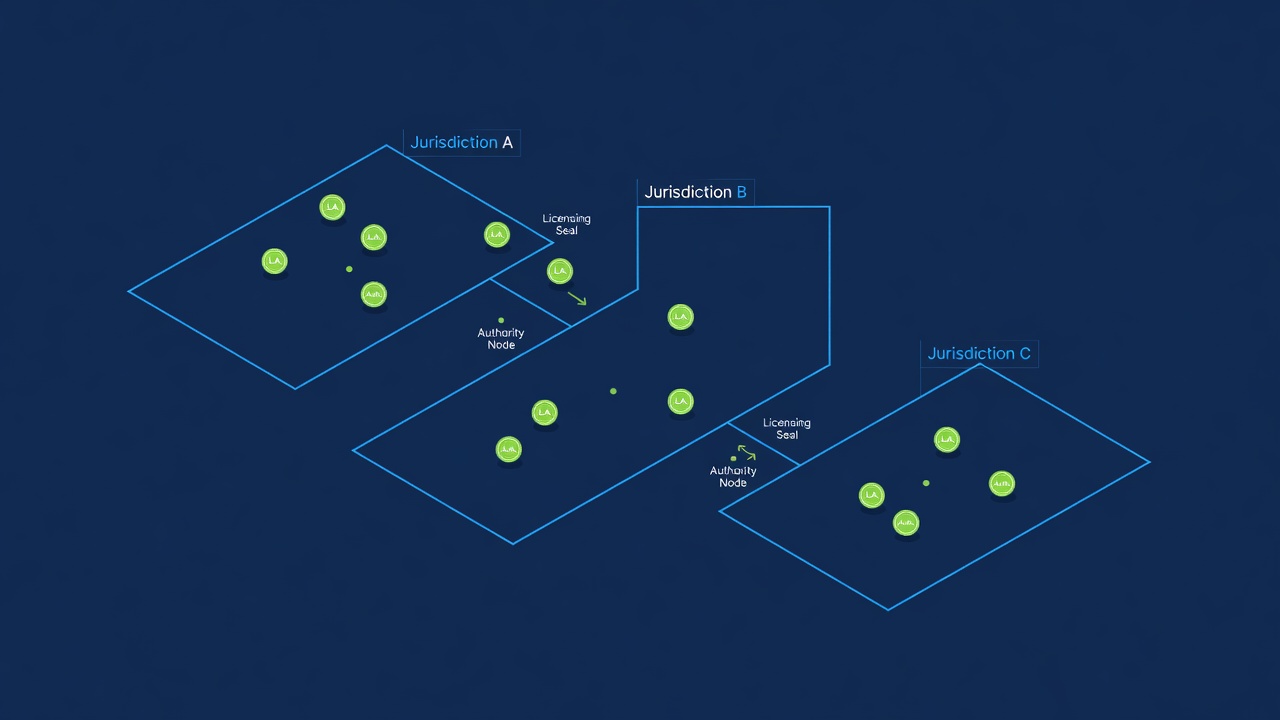
Operators now use sophisticated geofencing to deliver different advertisements to different markets. A player in the UK sees advertisements with responsible gambling messaging and no celebrity endorsements. A player in Portugal sees different creative. A player in Malta sees yet another variation. This requires maintaining multiple advertisement sets across multiple markets, all compliant with local rules.
The compliance burden is enormous. A large operator with presence in 15 jurisdictions needs to understand and comply with 15 different advertising codes. A smaller operator with 3 markets might delegate this to a legal team or external agency. Mistakes are expensive. In 2022, a major operator paid 8 million GBP in fines to the UKGC for misleading advertising claims in a single campaign.
The Affiliate Advertising Gray Zone
Many gambling operators use affiliates to drive traffic through review sites and content networks. Affiliates operate with less regulatory scrutiny than the operators themselves, creating a layer of advertising that is harder to police. An affiliate site might make claims like "Beat the Sportsbook" or "Guaranteed 20% Return" that would violate operator advertising standards. The operator benefits from the traffic but maintains plausible deniability about the affiliate's language.
Regulators have noticed. The UKGC has published guidance making operators responsible for affiliate advertising under their brands. If an affiliate violates advertising rules, the operator faces penalties. This has pushed major operators to police their affiliates more closely or to reduce affiliate spending entirely.
The Present and Future
Advertising restrictions continue to tighten. Spain, the Netherlands, and Sweden have all moved toward stricter rules in the past two years. The future likely includes restrictions on sports betting advertising during broadcasts, age-gating of all gambling content online, and prohibition on time-based targeting that delivers gambling advertisements during hours when younger audiences are more likely to be online.
Operators have responded by investing in brand loyalty and retention rather than customer acquisition. A player who already has an account is expensive to acquire but cheap to maintain. The regulatory push toward advertising restrictions has made the old playbook of "spend on ads, acquire customers, extract value" more expensive. The new playbook is "keep customers playing longer through better products and loyalty mechanics." The shift is happening quietly, out of public view, driven by regulatory pressure that most people never see.
Rooms for this read
Share this read