Why Some Crypto Casinos Use Only Stablecoins
Bitcoin moves. Ethereum moves. Stablecoins don't move. A casino using stablecoins is making a specific bet about what players actually want.
Okay so here's the thing.
First, volatility. You deposit one Bitcoin at thirty thousand. The casino holds it. Bitcoin goes to twenty-five thousand while you're playing. You've already lost five thousand in value. That's money the casino never even took from you, but it's gone. The casino's looking at their holdings like, "why would we create a liability?" Stablecoins don't create that liability. You deposit one USDC, it's worth one dollar. It's worth one dollar tomorrow.
Second, regulatory clarity. Bitcoin's regulatory status is still fuzzy in a lot of places. Is it a commodity? Is it currency? Stablecoins are pegged assets. They're closer to actual money from a regulatory perspective. A gaming regulator sees stablecoins and thinks, okay, this is something we can classify. They see Bitcoin and think, I don't know what this is.
The Stablecoin Ecosystem
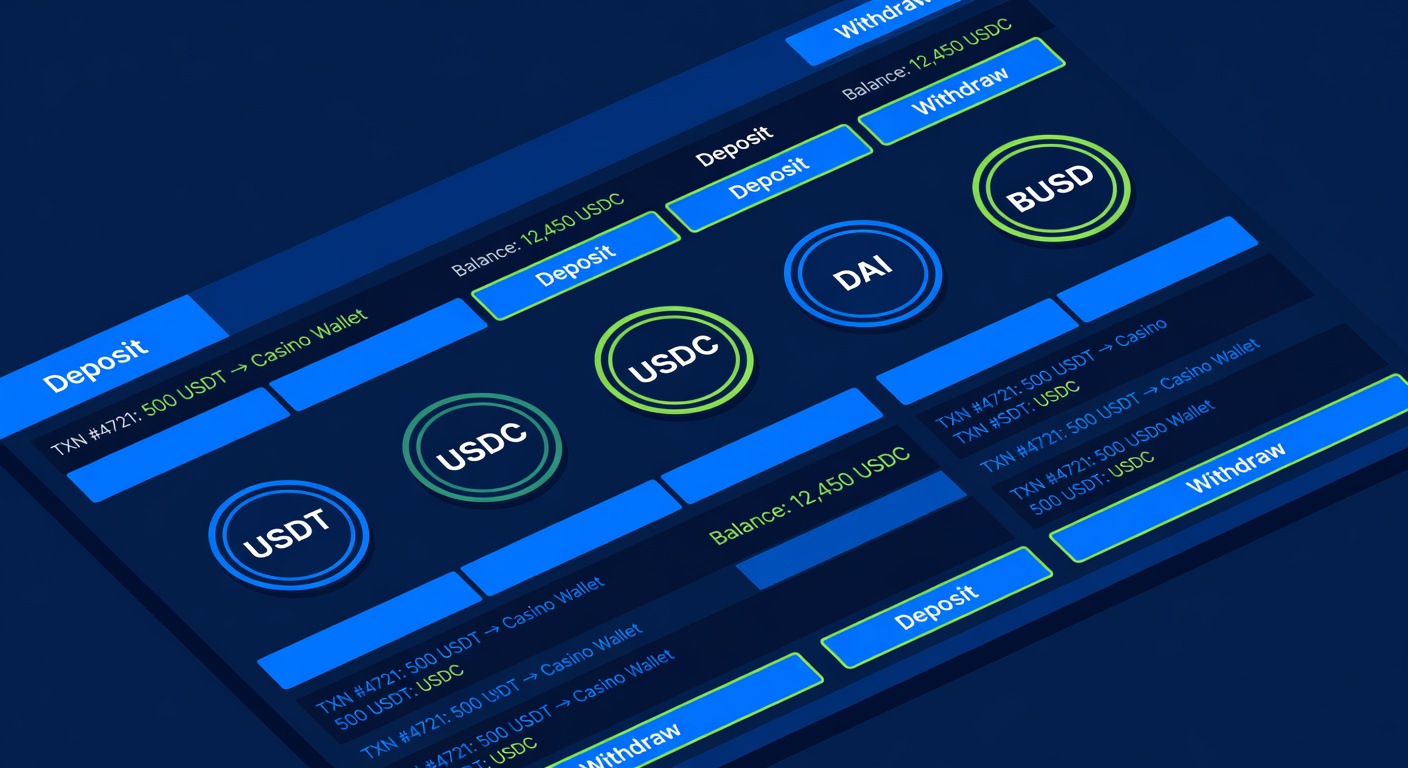
There's actually multiple stablecoins. USDC is from Coinbase. USDT is from Tether. DAI is algorithmic. Each has different backing and different risk profiles. A casino using only USDC is saying, "we're backing this with actual dollars." A casino using USDT is saying, "we're accepting the risk that Tether's backing might be less than claimed."
This matters. It matters a lot. A player who understands stablecoins will know which one they're using and will evaluate that against their risk tolerance. Most players don't think about it at all. They just see "crypto" and assume it's all the same.
The Arbitrage
Here's the crazy part. A stablecoin is supposed to be pegged at one dollar. But sometimes it's not. USDC might trade at 0.98 if there's liquidity issues. A crypto trader can buy USDC at 0.98 and deposit it into a casino that credits it at par value of 1.00. That's a 2 percent instant profit.
Casinos that only use stablecoins have to be careful about this. They usually discount the deposit slightly to account for potential depegging. But there's still an edge if you know how to find it.
Why Not Both?
So the question is, why wouldn't a casino just accept both Bitcoin and stablecoins? The answer is operational complexity. Every time you accept a new asset, you need to integrate it into your payment system. You need to manage the exchange risk. You need to handle withdrawals in that asset.
For a smaller casino, the complexity isn't worth it. Better to be really good at one thing (stablecoins) than mediocre at three things (Bitcoin, Ethereum, stablecoins). This is actually a good sign. It means the casino is thinking operationally rather than trying to just throw everything at the wall.
The Marketing Angle
Interestingly, crypto casino marketing often emphasizes "accept any crypto." But the best ones are actually picky. They're like, "we accept stablecoins for stability." That's not worse marketing. It's better marketing because it's honest about what they're optimizing for.
A player who wants Bitcoin exposure can convert their Bitcoin to stablecoins and play. A player who wants price stability can deposit stablecoins and know their bankroll won't evaporate. Everyone wins. The casino wins because they don't have to manage the volatility.
The Real Lesson
What's actually insane is how much this tells you about the casino's business model. A casino that cares enough to restrict to stablecoins is saying, "we're thinking about capital management." A casino that takes any crypto is saying, "we're just trying to get money in the door." One of those is going to be around in five years. Guess which one.
Rooms for this read
Share this read