Casino Royale: How the Bond Novel Reinvented Baccarat in Pop Culture
Ian Fleming wrote a scene in 1953. James Bond plays baccarat. That scene changed how people thought about the game for decades afterward.
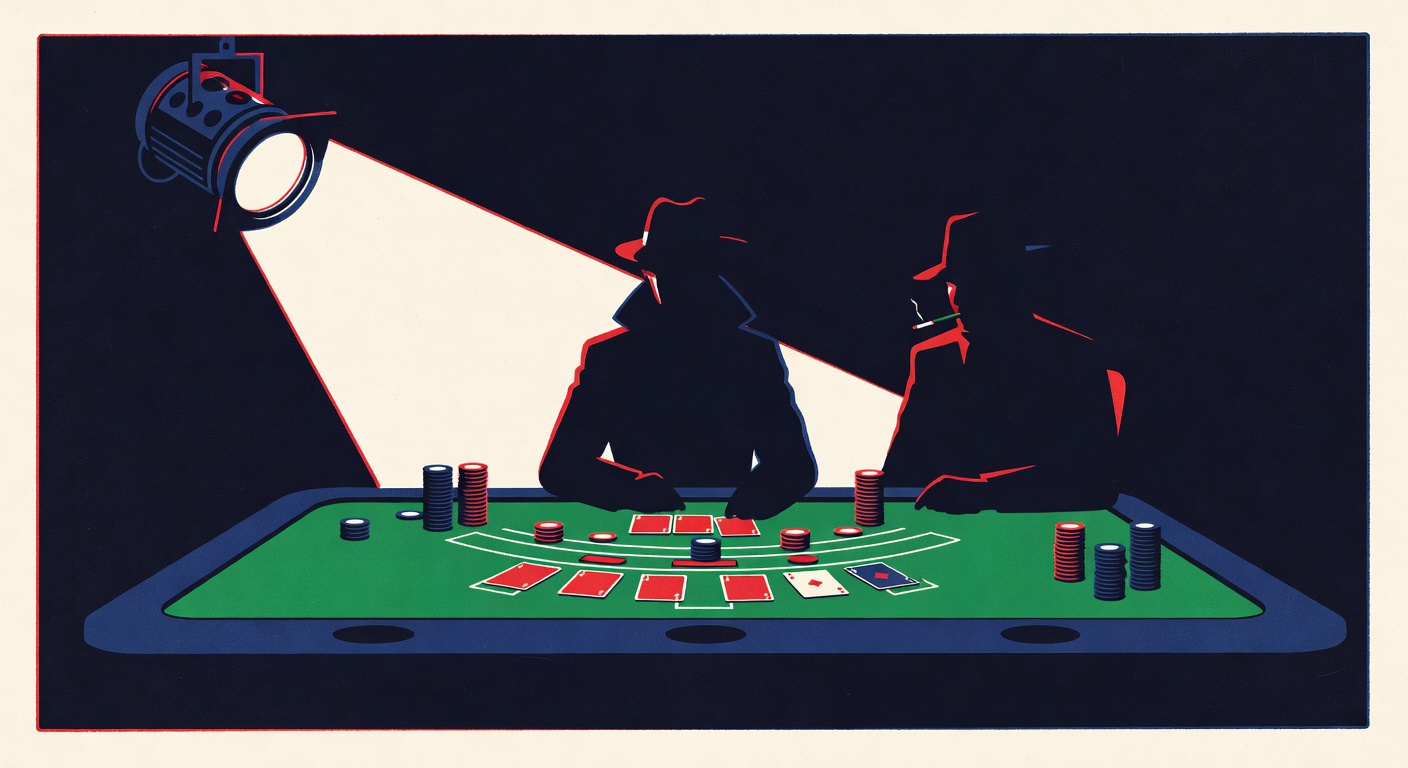
Casino Royale was published in 1953.
What Fleming did, perhaps without knowing it, was capture the psychological appeal of baccarat in prose form. The game became, through fiction, associated with sophistication, danger, and high stakes. This single literary reference shaped how baccarat would be perceived in Western culture for the next seventy years.
The Pre-Fleming Baccarat
Before Casino Royale, baccarat was a European game associated with Monaco and Venice. It existed in casinos but was not widely played in the English-speaking world. Americans played blackjack and roulette. Baccarat was continental. Baccarat was for the wealthy and the European.
In behavioral economics, this association with exclusivity is significant. A game available only to the wealthy develops a behavioral profile. Players who access the game are already self-selected for higher risk tolerance and higher socioeconomic status. The game itself becomes a marker of belonging to a specific group.
Fleming understood this intuitively. He placed baccarat, not blackjack, at the center of his spy thriller because baccarat conveyed status. Blackjack is democratic. Roulette is for everyone. Baccarat is for the elite.
The Novel's Description
Fleming's baccarat scene emphasizes the ritualistic elements. The banker shuffles the cards. The players place bets. The cards are dealt, one to the banker and one to the player. If either has a hand value of eight or nine, they win immediately. Otherwise, a third card is drawn according to prescribed rules.
What Fleming captures is the moment of suspension. The cards are dealt. The outcome is determined. The players wait to see the result. This moment of uncertainty, extended across multiple hands, creates the dramatic tension. The reader experiences the psychological state of a baccarat player: the mixture of powerlessness and control, of already-decided outcomes and apparent choice.
Bond is not a strategic genius at baccarat. Baccarat does not permit strategy in the way that poker does. Bond is simply a man with high status and high risk tolerance, playing a game of chance at an elite venue. His success comes not from superiority but from luck favoring the bold.
The Psychology of the Narrative
Casino Royale appealed to readers partly because it offered a fantasy of belonging. A fantasy that if you possessed Bond's intelligence and courage, you could also access the elite baccarat rooms and win vast sums. Baccarat became coded, through Fleming's prose, as a game that talented people could win at.
This is a significant misrepresentation of baccarat's mechanics. Baccarat is pure chance once the bets are placed. Intelligence and courage are irrelevant. But narratives are more powerful than mechanics. The novel created a psychological association between baccarat and elite competence that persists to this day.
When casinos began offering baccarat to Western audiences, they leveraged this narrative. Marketing materials referenced the Bond movies (Fleming's stories became films starting in 1962). Baccarat became the game of sophisticated people. The game's actual mechanics were secondary to the narrative surrounding it.
The Modern Legacy
Today, high-roller baccarat rooms in Asian and European casinos are explicitly coded as elite spaces. The narratives are identical to Fleming's depiction. Expensive suits, high stakes, international players. The games are televised and streamed because the narratives surrounding baccarat have become part of what makes watching baccarat compelling.
A player watching a livestream of a baccarat game at a Macau casino is not primarily interested in the mathematics of card draws. They are interested in the narrative. The drama of high stakes. The apparent dignity of the players. The sense that they are witnessing an elite activity.
Behaviorally, this has consequences. A player who perceives baccarat as an elite game is more likely to play higher bet sizes than they would at a game perceived as common. A player who associates baccarat with winning is more likely to overestimate their control and underestimate variance. A player who has absorbed Fleming's narrative of baccarat as a game for the exceptional may suffer greater losses because they maintain, despite evidence, the belief that they belong to the exceptional category.
What Fleming Actually Captured
What makes Fleming's depiction so effective is that it captures the true psychological appeal of baccarat without explaining the mechanics. The appeal is not intellectual. It is aesthetic. It is the pleasure of participation in something perceived as exclusive. Fleming understood this intuitively, which is why his description of the game is elegant and atmospheric rather than technical.
A modern reader of Casino Royale experiences the game through its emotional registers: tension, release, victory. These registers are accurate to baccarat's actual psychological profile. Baccarat is indeed a game of tension and release. The outcome is determined, but the moment of discovery is delayed. This delay is pleasurable.
Fleming did not invent baccarat. But he did invent the modern story of baccarat. He created the narrative frame through which Western audiences would interpret the game for decades. That frame suggested that baccarat was a game for the sophisticated, the brave, and the blessed with luck. All of this remains true, for the player sitting at the table. What remains false is the suggestion that baccarat is beatable through intelligence or skill. It is not. But Fleming's narrative is more powerful than mathematics.
Rooms for this read
Share this read