Private Tables at Live Casinos: What Makes Them Different
A private table at a live casino costs five thousand to fifty thousand dollars per hour. In exchange, you get isolation, custom rules, and the illusion of control. The architecture reveals what players actually want.
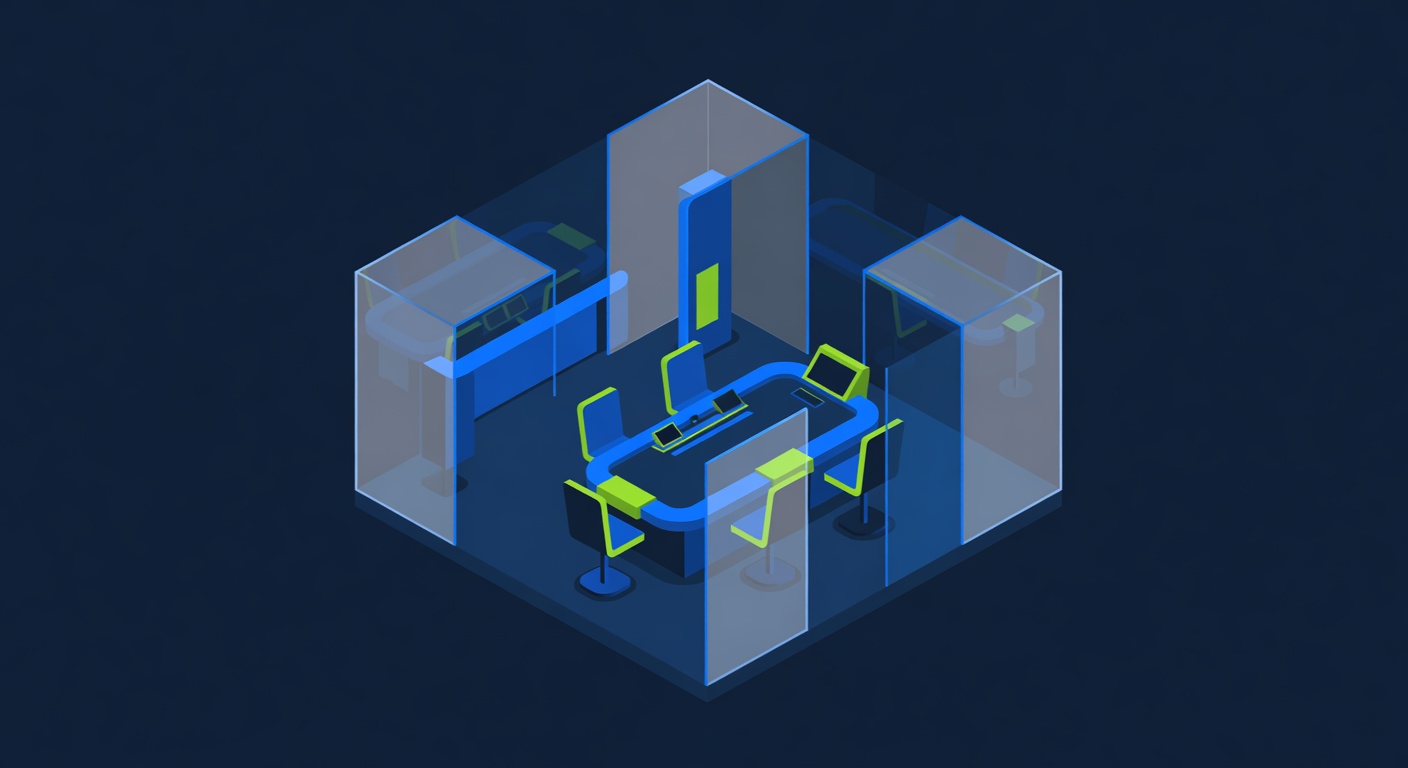
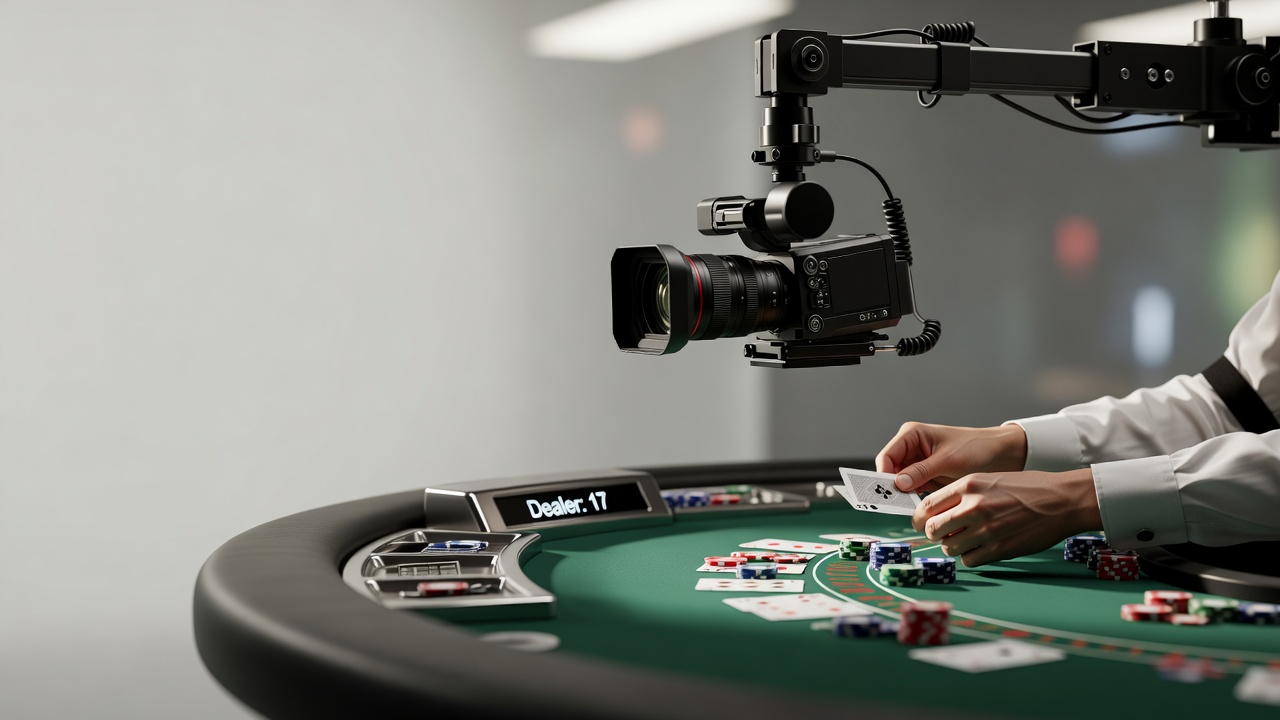
A private table is a dedicated live-dealer setup served by a specific croupier, available only to one player or a small group. The minimum bet is typically one thousand dollars. The table is available twenty-four hours with advance booking.
What private tables cost: A Las Vegas private table runs fifteen to twenty-five thousand dollars per hour. A Macau private table runs twenty to fifty thousand dollars per hour. The cost varies by location, reputation of the croupier, and time of day.
What you get for that cost: Solitude. No observation from other players. No pressure from a crowd. The croupier is instructed to maintain minimal commentary. The pace is whatever speed you prefer. The rules can be modified within reason.
This reveals something about what serious players value. Money aside, solitude is the premium good. A player paying fifty thousand per hour for a private table is not paying for better odds. The odds are identical to the public table. They are paying for the absence of witnesses to their losing.
The psychological mechanism: Playing in public creates shame responses. Losing one hundred thousand dollars at a public baccarat table means enduring the gaze of other players. A private table eliminates this. The loss is witnessed only by an employee bound by confidentiality.
The architecture of the private room itself is designed for comfort. Luxurious seating. Temperature control. Alcohol and food service. The physical environment creates psychological distance from the financial reality.
From an architect's perspective: The private table is a machine designed to extract maximum value from players who have temporarily shifted from rational to emotional decision-making. The isolation intensifies the emotional state. The loss compounds.
The economics of private tables: A casino might earn 500 dollars per hour at a public baccarat table if the players lose steadily at standard rake. A private table earning 20,000 dollars per hour must either have higher stakes or higher rake. Usually both. The player is paying for solitude and the illusion of control. The casino is profiting from the psychology of private loss.
The Underlying Mechanics
Understanding the basics of how this topic functions requires looking at the incentive structures and the economic pressures that shape behavior. The players involved are responding to rational incentives, even when those incentives lead to outcomes that seem suboptimal from an outside perspective.
The decision-making process at each step is not random. It is shaped by historical precedent, regulatory pressure, and the competitive landscape. When one operator makes a move, others follow or diverge based on their specific market position and clientele.
The Long-Term Implications
Over years and decades, these patterns compound. Small edges add up. Small behavioral nudges accumulate. The gap between casual understanding and sophisticated understanding becomes enormous.
A player who grasps the mechanics at a deep level can operate with an advantage. They can navigate the landscape in ways that the casual participant cannot. This is true in virtually every gambling domain. The edge belongs to those who understand the fine details.
The future will likely see further refinement and complexity. As the market matures and competition increases, operators will continue optimizing their offerings. Players will continue developing better strategies. The arms race continues indefinitely.
Rooms for this read
Share this read