Immersive Roulette: How Camera Angles Changed Live Play
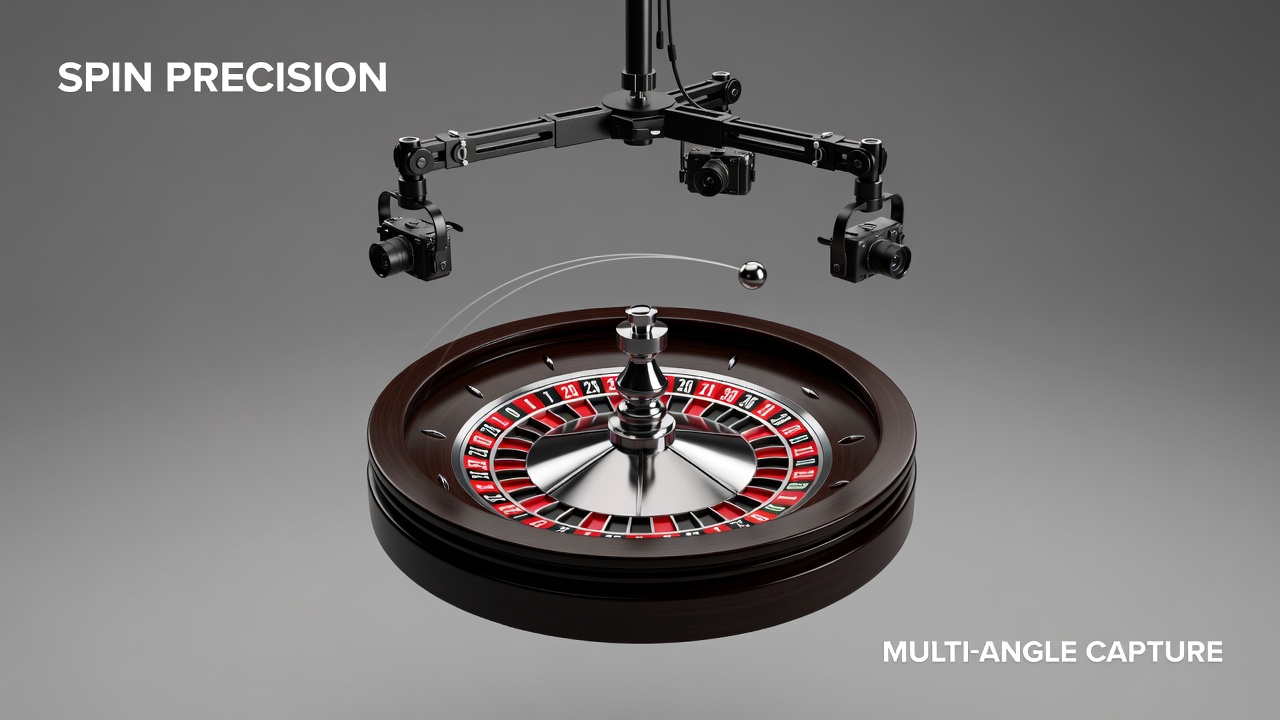
Immersive Roulette uses multiple camera angles to show the wheel from different perspectives, including slow-motion replays. This technological innovation changed how players experience live roulette.
A wheel spins. The ball rolls. Most players see it once from one angle. Done. The result is revealed; money changes hands; play continues. Immersive Roulette shows it seven ways.
Camera one: wide shot of the table. Camera two: close-up of the wheel. Camera three: ultra-close-up of the ball in the track. Camera four: slow-motion replay of the ball dropping. Cameras five through seven: additional angles from different perspectives. The player controls which angle they watch in real-time. They can switch cameras mid-spin if they want.
This technology existed in other contexts before roulette, but live-dealer operators saw its value and deployed it. The innovation serves a specific purpose: it creates the illusion of control and verification for the player. You feel like you are watching the actual wheel, seeing the outcome with your own eyes, and verifying that the result is fair.
This is psychologically significant. A roulette spin determined by an RNG (random number generator) that you cannot see feels abstract. A roulette spin with seven camera angles showing the ball landing in red 17 feels verified. You saw it happen. The multiple angles prevent doubt.
Operators understand this. Immersive Roulette is standard in major live-dealer operators. The technology costs money (multiple cameras, multiple feeds, synchronization infrastructure). Operators pay for it because it increases player confidence and engagement.
The Technical Layer
Synchronization is non-trivial. Seven cameras filming at slightly different frame rates, combined into a single feed with instant-switching capability, requires careful engineering. The feeds must be in perfect sync; if switching lags or shows slight mismatches, the illusion breaks.
Latency is another consideration. The player sees a slight delay between the physical spin and the camera feed (inherent to any broadcast system). This delay is consistent and becomes invisible through repetition, but technically the player is not watching the spin in real-time; they are watching a broadcast with milliseconds of latency.
"Immersive Roulette creates trust through transparency. Multiple angles make the outcome feel verified, even though the fundamental randomness is unchanged."
One more layer: the slow-motion replays. These are shot at high frame rates (typically 120-240fps) and played back slowly. Slow-motion makes events more dramatic and easier to analyze. A ball landing in a pocket, replayed at slow speed, looks intentional and verified.
But slow-motion is technically a replay, not the live event. The player is not watching the spin; they are watching a pre-recorded clip of the spin. This distinction matters theoretically (if the replay could be fake) but not practically (it is not).
The innovation also serves broadcasters. Immersive Roulette is more visually interesting than a single-angle roulette table. Players watching a stream of Immersive Roulette see multiple angles, which is more compelling than a static view. This increased engagement helps with viewer retention and marketing.
From a fairness perspective, Immersive Roulette changes nothing. The wheel's outcome is still determined before the camera angles matter. Multiple angles do not alter probability. But they create the psychological impression of verification, which increases player confidence and, therefore, engagement.
Rooms for this read
Share this read