Geo-Restriction Basics: Why Casinos Block Certain Countries
Casinos enforce geographic restrictions (blocking players from certain jurisdictions) based on regulatory law, not marketing preference. Understanding why requires examining the operator's legal liability, not their business model.
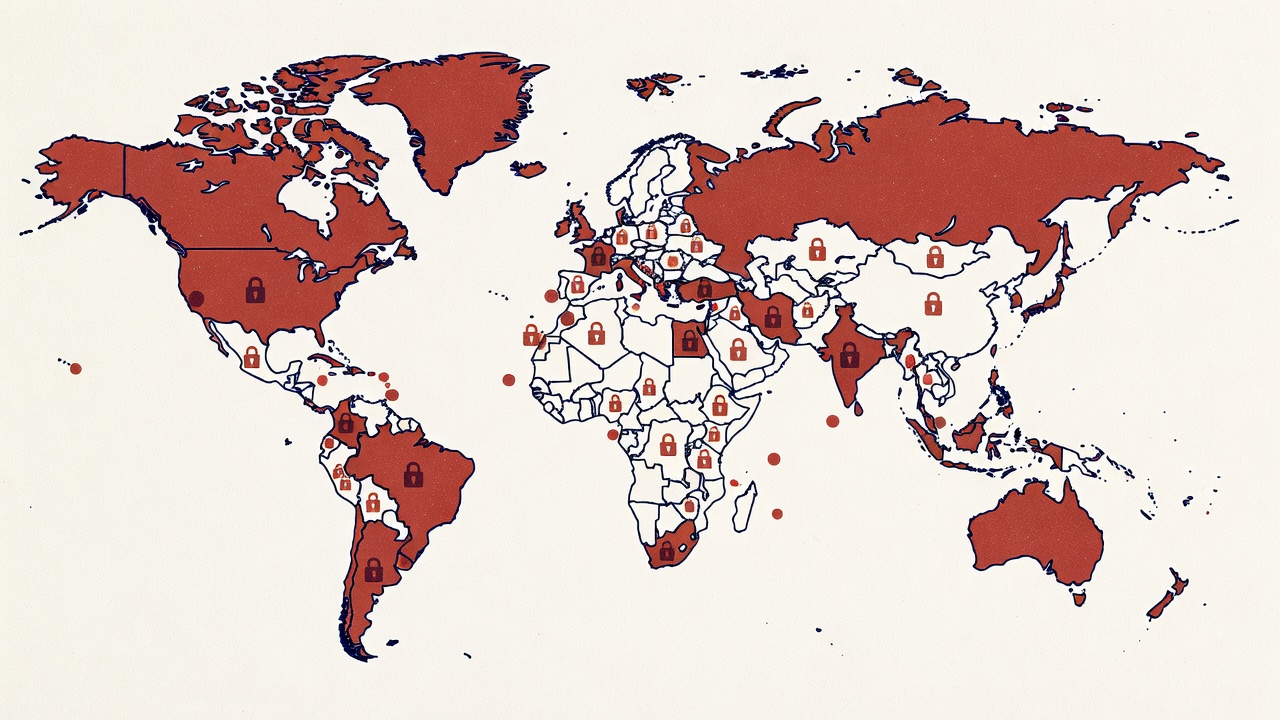
A player in the United States tries to access an online casino. The site detects their location using IP geolocation and displays a message: "This site is not available in your country." The reason appears to be discrimination, market limitation, or intentional exclusion. The actual reason is legal liability.
Online gambling is regulated differently across jurisdictions. The US federal law (Unlawful Internet Gambling Enforcement Act of 2006) prohibits US banks from processing payments for online gambling except in states where gambling is licensed and regulated. A casino operating without explicit US state licensing cannot legally accept US customers (or their banks cannot process payments to them). The operator blocks US customers to avoid both legal violation and payment-processing problems.
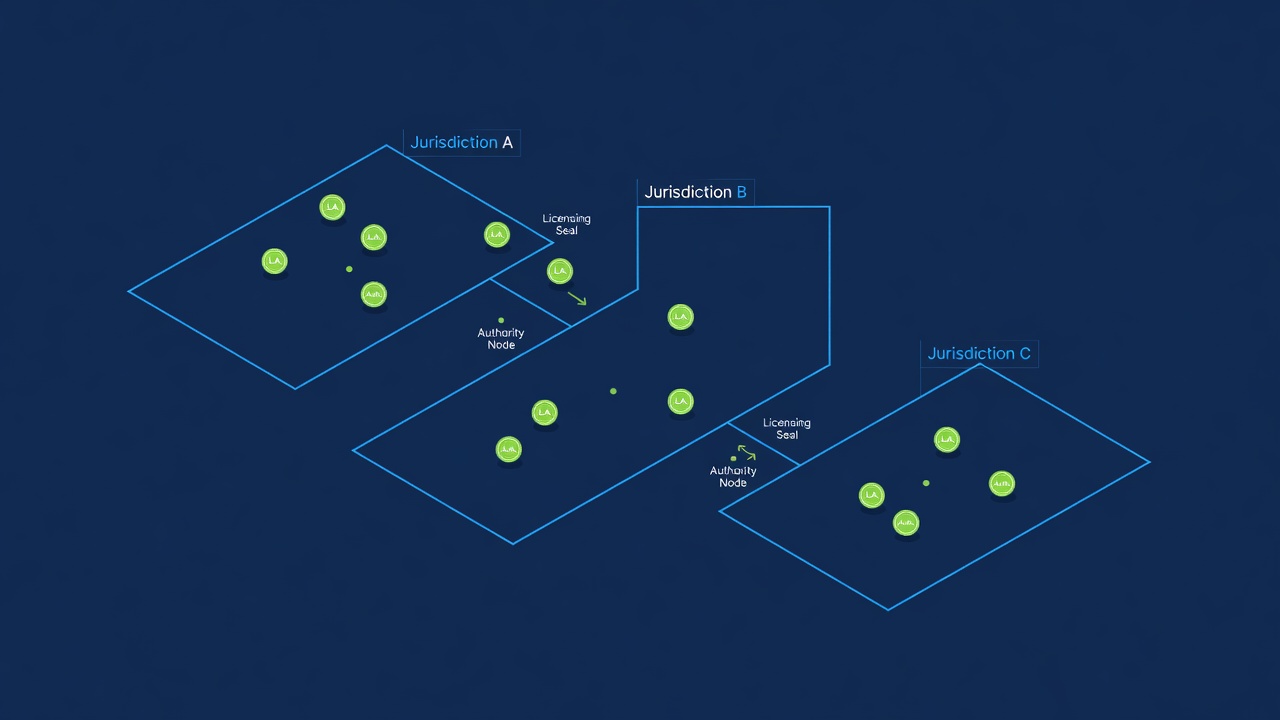
The UK Gambling Commission licenses operators and requires them to pay licensing fees and comply with advertising regulations. A casino licensed in the UK is authorized to offer gambling to UK residents but also to residents of many other jurisdictions. A casino licensed only in Malta (through the MGA) cannot legally offer gambling to UK residents without separate UK licensing, even though both are EU countries.
The pattern repeats across jurisdictions. Germany has specific licensing. France has separate licensing. Canada has provincial regulation. Each jurisdiction views online gambling through its own legal framework and does not recognize licenses issued by other countries (with limited exceptions within EU countries with reciprocal agreements).
The Mechanism
Geo-restriction is enforced through IP address detection. The site identifies your location based on your internet service provider's registered location. This method is imperfect (a VPN changes your apparent location), but it is sufficient to signal legal compliance to regulators. A casino licensed in Malta that blocks all US players is demonstrating regulatory respect, even if the enforcement is not bulletproof.
Some operators deliberately accept players from restricted jurisdictions, betting that enforcement is unlikely. Unregulated operators have no compliance cost; they accept anyone. This creates a moral hazard: an operator faces a choice between losing profitable customers (restricting jurisdiction) or risking legal liability (accepting restricted customers). Unregulated operators choose the latter. Regulated operators choose the former.
The consequence for players is clear: access to licensed casinos is jurisdiction-dependent. A player in a restricted jurisdiction can still access unregulated sites, but they sacrifice regulatory protection and dispute-resolution mechanisms. If a licensed casino blocks you, it is not personal; it is legal requirement.
"Geo-restrictions exist because gambling is regulated separately in each jurisdiction. The operator is choosing compliance over profit."
Some jurisdictions explicitly prohibit citizens from accessing any online gambling, licensed or not. These are rare and typically authoritarian countries. Most Western democracies allow some form of online gambling (either licensed domestic operators, or licensed international operators, or both). The regulations vary, but the pattern is consistent: the operator must respect the jurisdiction's legal framework or face financial penalties and license revocation.
For players, the implication is that seeking an unblocked casino in a jurisdiction where you are blocked is seeking an unregulated operator. The risk is higher. The recourse if something goes wrong is lower. The convenience of bypassing geo-restrictions comes with a corresponding reduction in protection. This is the economic trade-off inherent in the restriction system.
Rooms for this read
Share this read