How to Play Pocket Aces Without Getting Crushed
Pocket aces are the best starting hand in poker, but they are also the most misplayed. Learning to leverage them correctly requires discipline and understanding pot dynamics.
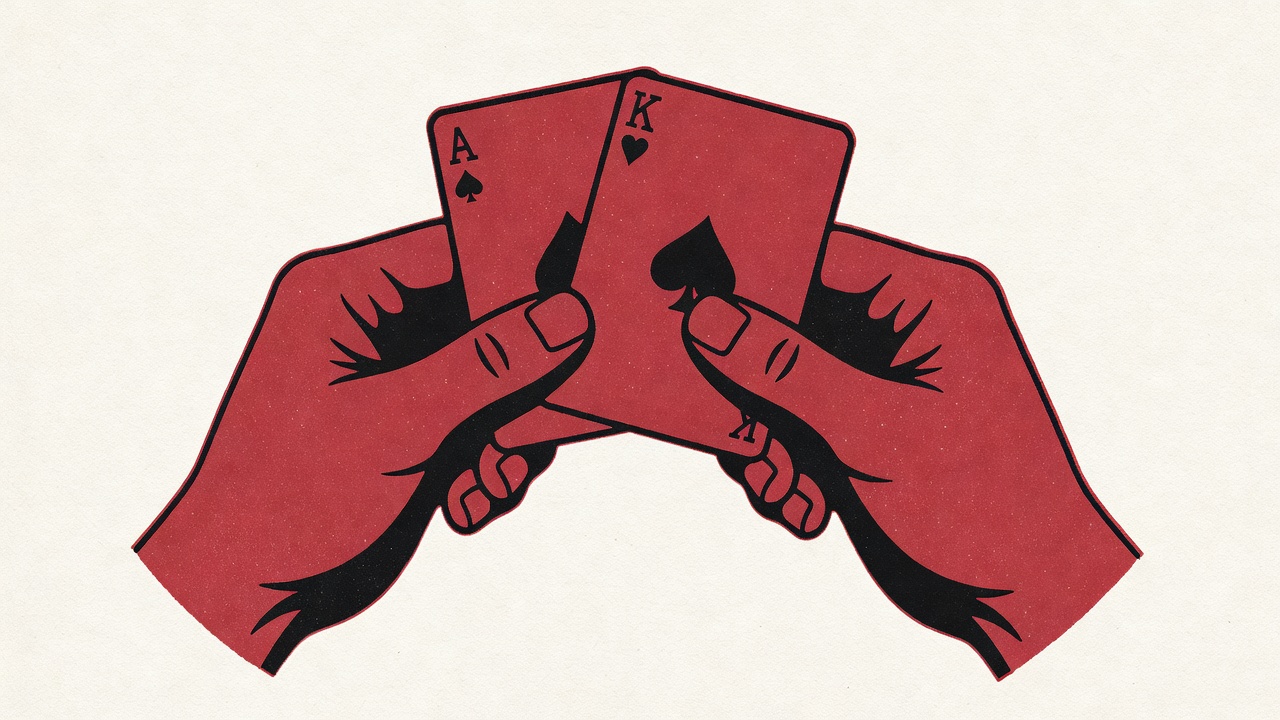
Pocket aces (AA) are the best starting hand in Texas Hold'em. Two aces in the hole have a dominating strength advantage against any other hand pre-flop. In a heads-up situation (one opponent), AA wins approximately 85% of the time. Against multiple opponents, the win percentage drops, but the hand remains strongest in expectation.
Yet aces are routinely misplayed by winning poker players. The most common error: over-valuing the hand and playing it too transparently. A player who always raises large with aces, always continuation-bets the flop with aces, and always bets the turn becomes readable. Opponents adjust by playing tighter against raises, folding to aggression, and letting you win small pots.
The error is mathematical. Aces win large margins pre-flop (85% win rate heads-up), but that edge erodes post-flop. If four opponents call your pre-flop raise, your 85% edge becomes a 23% edge (approximately, depending on exact board texture). The hands that called (AK, AQ, low pairs, suited connectors) have reasonable equity. They are not hopeless.
Post-flop play is where aces are vulnerable. An ace-high hand (AA with no board-card help) is strong but beatable if the board brings multiple draws. If the flop is Q-J-10 with two hearts, and you hold AH-AK (black aces), the board offers straight draws, flush draws, and over-pairs to the flop. Your aces are not as dominant as pre-flop odds suggested.
Optimal Play
Treat aces as a value hand, not a guaranteed winner. Raise pre-flop (this is correct), but do not over-raise (this telegraphs strength). A standard raise is optimal. You want callers; you want to play the hand in position; you want to extract value from weaker holdings.
Post-flop, adjust based on board texture. A flop of 2-3-5 (rainbow, no high cards) is favorable. Your aces are very strong. Bet, but do not bet so much that everyone folds. A flop of Q-J-10 is less favorable. Your aces are vulnerable. Consider checking sometimes to trap opponents (let them bet their draws), or bet less to keep them in the pot.
Mix your play. Sometimes check with aces on the flop. Sometimes bet. Sometimes call a bet from an opponent (let them think they might be ahead). This unpredictability prevents opponents from developing counters to your aces strategy.
"The most common mistake with pocket aces is playing them too obviously. Transparent strength allows opponents to adjust and exploit."
One specific situation: heads-up play with aces. If two players remain (you and one opponent), aces are incredibly strong. Play them aggressively. Raise pre-flop, bet post-flop, and apply constant pressure. Heads-up equity favors you so heavily that balanced play is less necessary.
Another situation: very deep stacks. If you have 300 big blinds and an opponent shoves all-in (or bets large), aces are strong but the pot odds may not justify calling if the risk is extreme. This is rare; most poker games allow aces to call profitably. But in games with truly massive deep stacks, recognize that aces' pre-flop advantage erodes as more money goes in.
The lesson generalizes: the strongest hand is not automatically the best bet. Poker is not about having the best hand; it is about winning money. Sometimes the best money decision with aces is to let them win a small pot. Sometimes it is to extract maximum value. Most players err toward over-playing aces and winning mediocre pots when they could have won larger ones through patience.
Rooms for this read
Share this read