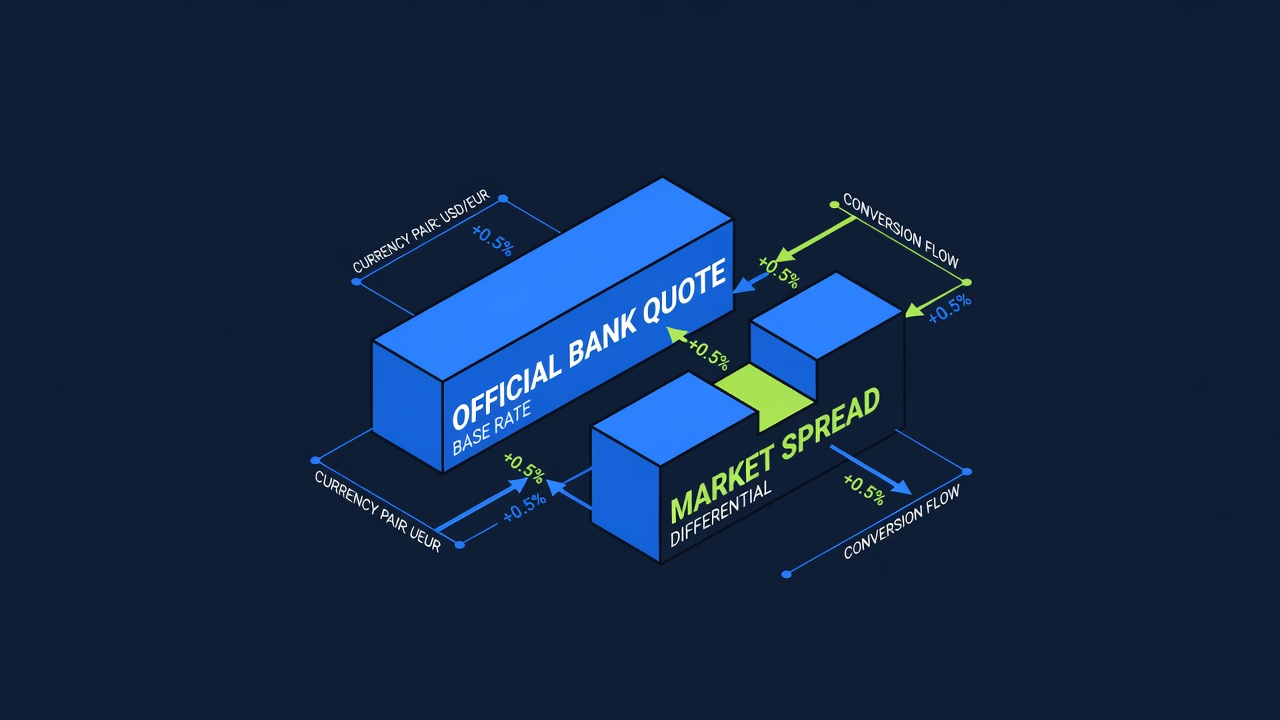
Crypto Casino Deposit Fees: What Actually Eats Your Balance
You send $500 in Bitcoin and receive $497. Nobody said anything. This is the cryptic part of crypto. A short piece on the gap between what you send and what lands.
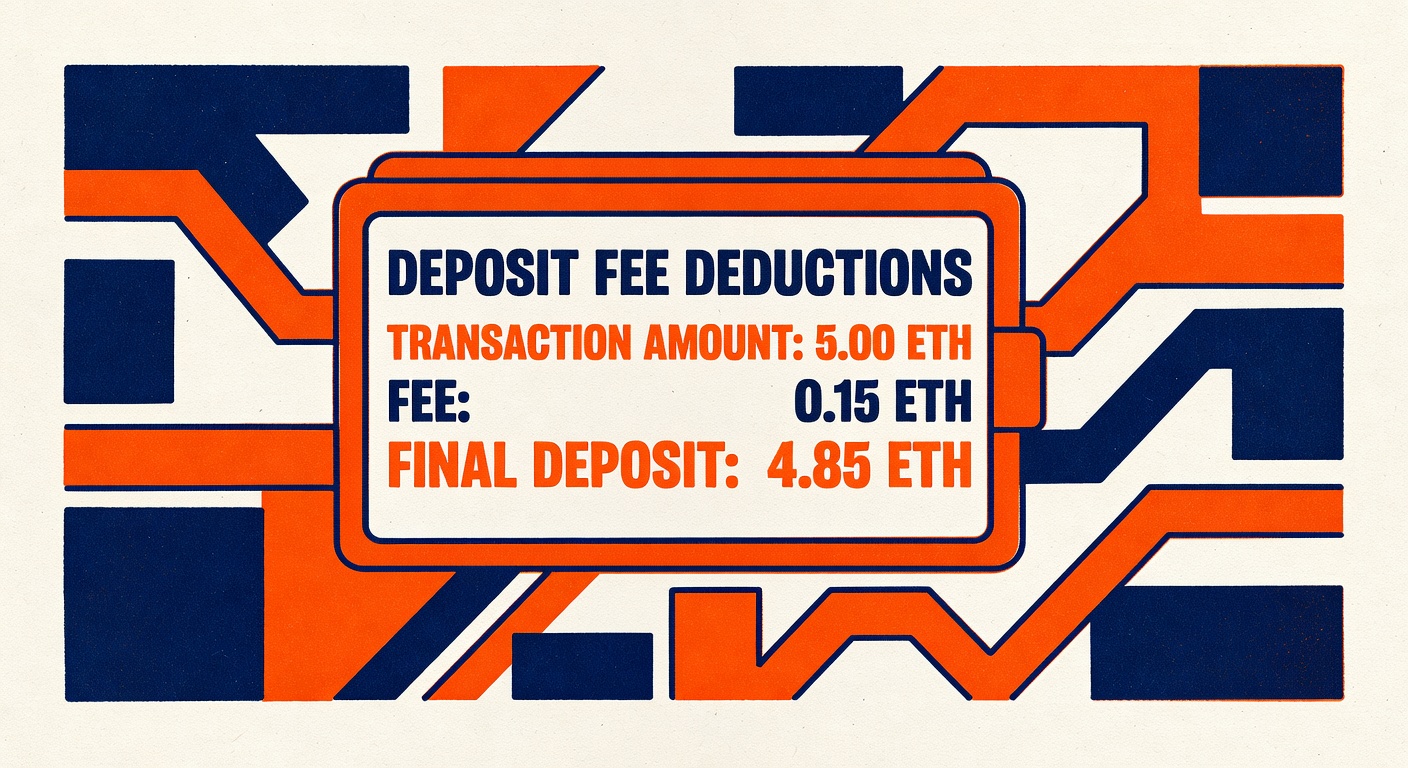
Deposit $500 in Bitcoin. Your balance shows $497. You'll spend three days wondering where the other three dollars went.
Welcome to crypto casino deposits.
The Thesis
Crypto deposits look free. They look instant. They are neither. What you're seeing is the casino pretending the fees don't exist, and the blockchain insisting they do.
How It Actually Works
When you deposit Bitcoin, you're not handing someone cash. You're broadcasting a transaction to a network of ten thousand computers, asking them to record that $500 moved from your wallet to the casino's. Those ten thousand computers do not work for free.
The Bitcoin miner who includes your transaction in the next block earns fees. Those come from somewhere. In the old days, the casino ate them. Now the casino passes them to you.
Deposit via a newer chain, like Polygon, and fees run $0.50 to $2. Ethereum can cost $10 to $40 per transaction. Bitcoin sits somewhere in the middle, depending on network traffic. Right now, a Bitcoin deposit runs roughly $2 to $6. Maybe more if the network is packed.
The casino shows you the amount you'll receive after fees. Sometimes. Other times it hides them in a tooltip.
Why Casinos Like This Arrangement
Crypto deposits look free on the marketing page. "Instant deposits, no fees, 0% vig." Then you deposit and lose three dollars to the blockchain. You never saw the word "fees" in the casino's marketing.
The casino didn't charge you. The Bitcoin network did. So technically they didn't lie.
This is the clever part.
The Withdrawal Wrinkle
Here's where it gets interesting. Most crypto casinos give you a choice on withdraw. You can take your Bitcoin back to your private wallet (paying miner fees again, $2 to $6), or you can convert to stablecoin and take fiat.
The stablecoin withdrawal often costs nothing because the casino is using an internal system, not the public blockchain. They move your account balance from one database to another. No miners. No fees. No record on a ledger.
So the asymmetry is: get in paying fees, get out paying nothing. You notice the deposit fee. You forget about it. The casino collects $3 from every dozen deposits and never says the word "fees."
Real Example
You deposit 0.01 Bitcoin at current prices, call it $420. Miner fee is $4. You receive 0.0095 Bitcoin. Balance shows $399.
You play and lose $50. Now you have 0.0085 Bitcoin, roughly $358.
You withdraw to your private wallet. Another $4 fee. You end up with 0.0081 Bitcoin, roughly $341.
You paid $8 in fees for a single round trip. That's 2% of your starting amount. Not huge. Not invisible.
Stablecoin Deposits
Some casinos offer USDC or USDT deposits. Stablecoins. These cost less in fees because they're usually ERC-20 tokens, meaning Ethereum fees apply. $5 to $15 per transaction, depending on network time.
Some casinos waive Ethereum fees for deposits if you use their proprietary wallet. Then they own your crypto until you withdraw, which is a different conversation.
What You Should Know
Ask the casino upfront what the deposit fee is. Don't believe "no fees." The fee exists. The casino is just not admitting it.
For deposits under $100, fees eat more than 3% of your money. For deposits over $500, fees drop to 1% or less. This is the secret advantage casinos never mention.
If you're serious about crypto deposits, accumulate your money in a single transaction. One $500 deposit costs less per dollar than five $100 deposits.
Stablecoin deposits on Polygon cost under $1 if you catch the network at a quiet time. This is the cheapest entry into a crypto casino.
And yes, the casino knows all of this. They've optimized the UX so you see the final balance, not the fee. That's not an accident.
Rooms for this read
Share this read