How US State-by-State Online Gambling Regulation Generally Works
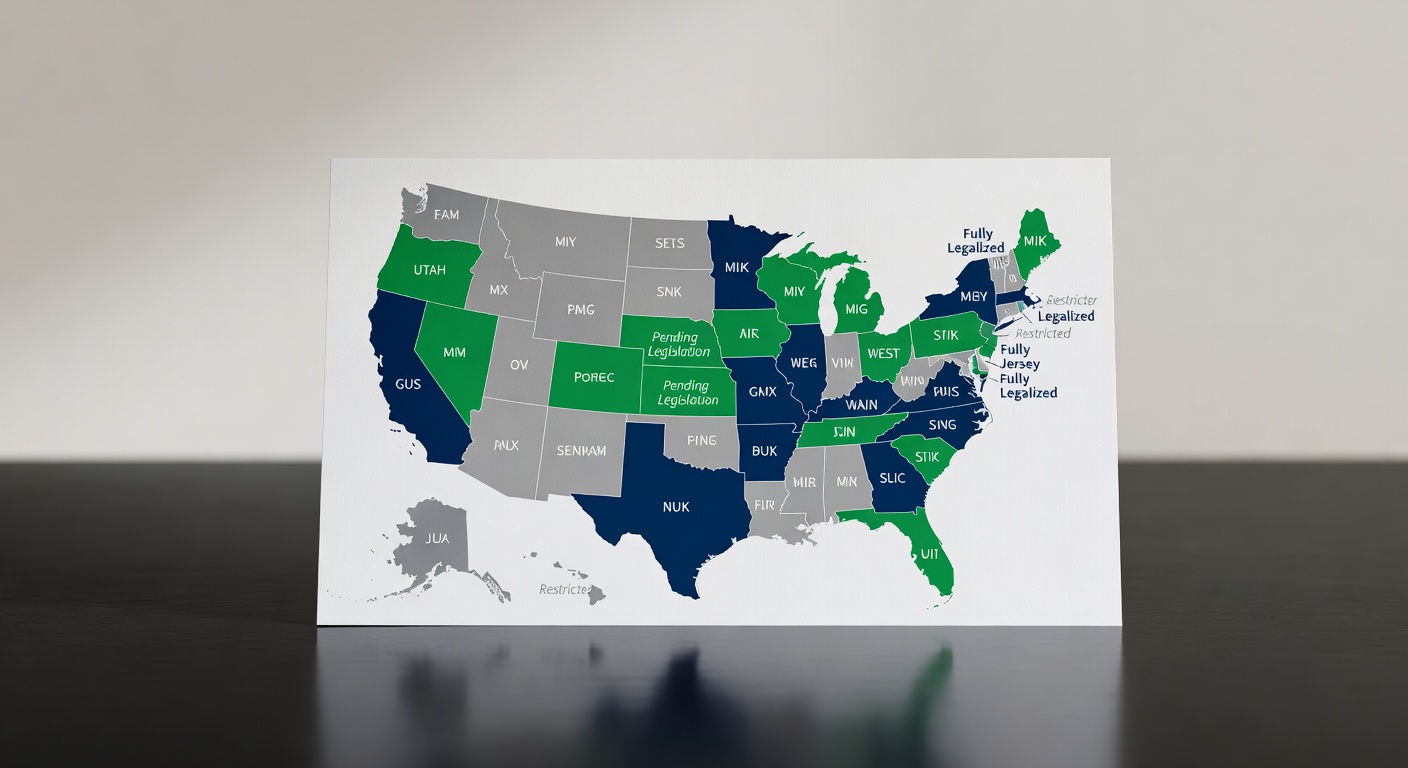
The United States has no federal online gambling law. Each state makes its own decision. The result is a patchwork of incompatible regulations, and the operators have adapted accordingly.
The federal government has jurisdiction over interstate gambling via the Interstate Wire Act of 1961 and the Unlawful Internet Gambling Enforcement Act of 2006. Both laws create ambiguities rather than clarity.
Accordingly, states have stepped into the vacuum and created their own frameworks. Nevada allows online poker. New Jersey allows online casinos and sportsbooks. Pennsylvania allows both. Delaware allows limited online betting. Other states prohibit all forms of online gambling entirely.
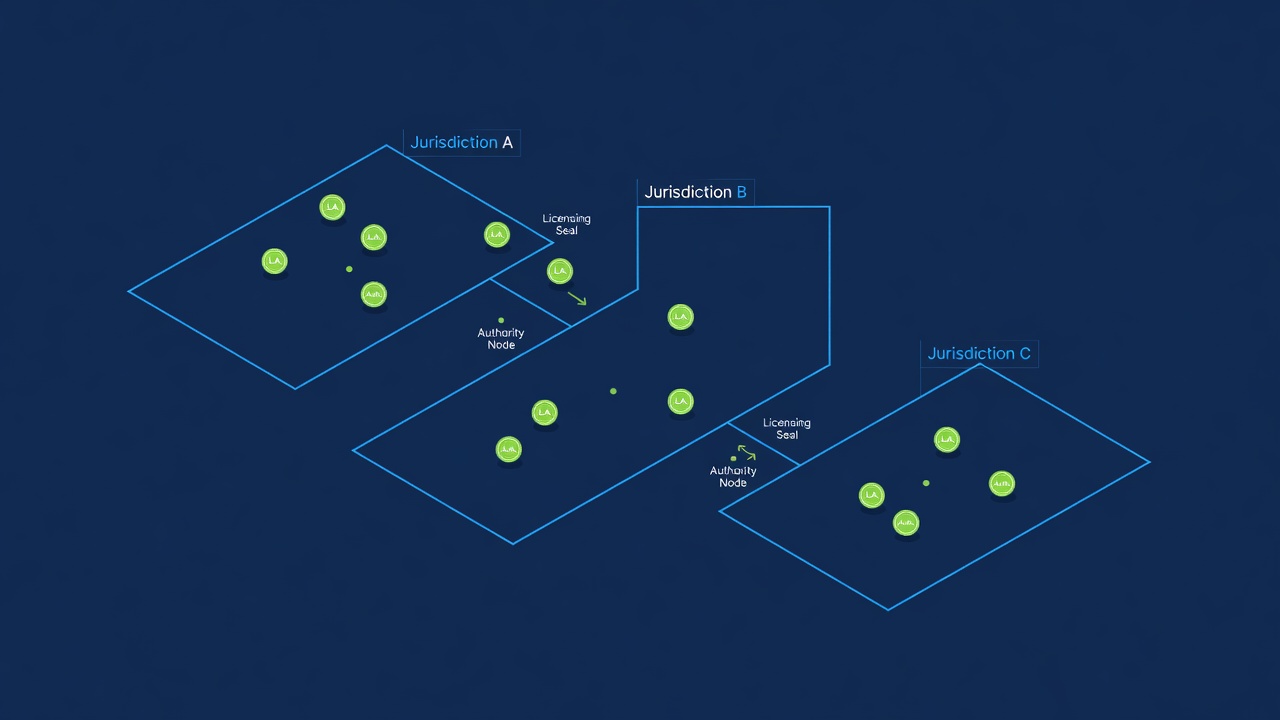
The interstate problem: A player in New York cannot legally play on a New Jersey online casino unless they are physically in New Jersey. The operators enforce this through geolocation technology. The technology is imperfect. Operators accept this imperfection as a known risk.
Tax treatment varies sharply. Nevada taxes online poker at 6.75 percent of gross gaming revenue. New Jersey taxes casinos at 8 percent and sportsbooks at 13 percent. Pennsylvania taxes at 34 percent and 36 percent respectively. These disparities create incentives for players to play in lower-tax states.
The larger operators like DraftKings and FanDuel operate in multiple states but maintain separate account systems for each state. A New York player cannot access their New Jersey account from New York. The system is designed to enforce geographic restrictions.
Why states regulate: Tax revenue. A state that allows online gambling collects taxes from the operators. A state that prohibits it collects nothing. The decision to regulate is financial more than philosophical.
The future: Movement is toward harmonization. Multistate compacts allow operators to pool liquidity across state lines for certain games. This reduces fragmentation but maintains regulatory autonomy for each state. The slow trend is toward more states legalizing online gambling, not fewer.
The regulatory landscape: The UK, which now has 47 online gambling operators licensed, did not have any legal online gambling in 2000. The current regulatory state is the result of twenty years of legislative action and negotiation. Other countries are on similar trajectories. The move is toward more states and countries legalizing online gambling, not fewer.
The Underlying Mechanics
Understanding the basics of how this topic functions requires looking at the incentive structures and the economic pressures that shape behavior. The players involved are responding to rational incentives, even when those incentives lead to outcomes that seem suboptimal from an outside perspective.
The decision-making process at each step is not random. It is shaped by historical precedent, regulatory pressure, and the competitive landscape. When one operator makes a move, others follow or diverge based on their specific market position and clientele.
The Long-Term Implications
Over years and decades, these patterns compound. Small edges add up. Small behavioral nudges accumulate. The gap between casual understanding and sophisticated understanding becomes enormous.
A player who grasps the mechanics at a deep level can operate with an advantage. They can navigate the landscape in ways that the casual participant cannot. This is true in virtually every gambling domain. The edge belongs to those who understand the fine details.
The future will likely see further refinement and complexity. As the market matures and competition increases, operators will continue optimizing their offerings. Players will continue developing better strategies. The arms race continues indefinitely.
Rooms for this read
Share this read