Decentralized Poker: Can Blockchain Replace Traditional Poker Rooms?
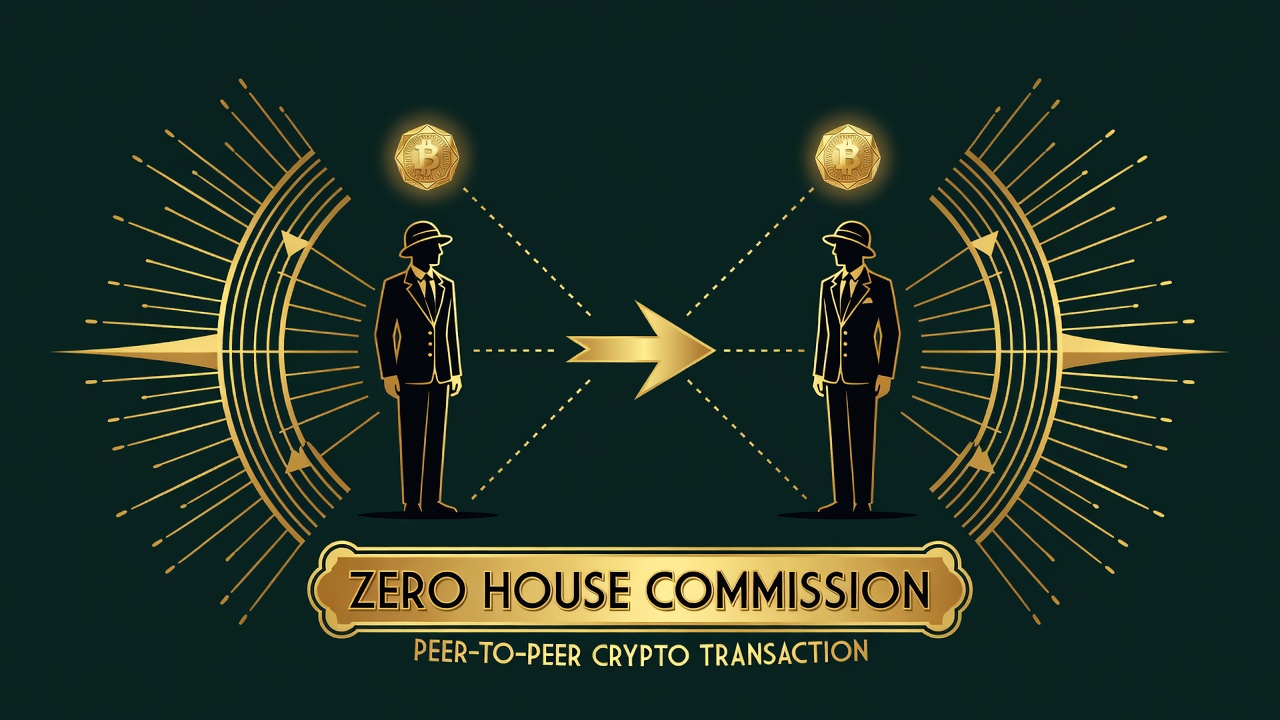
A blockchain poker room offers peer-to-peer play with no house rake. The technology is sound. The adoption has been minimal. The problem is that most players prefer a house they trust to peers they do not.
The Blockchain Pitch
A decentralized poker platform promises this: players find each other, play poker, no casino takes a rake. The blockchain verifies the game fairness. Smart contracts handle payouts. No middleman. No house edge.
This is true in theory. A blockchain can run a poker game where every hand is recorded, every pot is tracked, and every payout is automated. The technology works.
But adoption has been near zero. Decentralized poker platforms exist. They have thousands of registered users. They have single-digit players on any given day.
Why the Problem
Traditional poker rooms are profitable because of rake. The house charges 5-10% of each pot. Players accept this because the house provides four things: infrastructure (tables, servers), liquidity (finding other players), trust (no cheating, fair dealing), and security (funds are protected).
A decentralized poker platform provides infrastructure and liquidity (if successful). It does not provide trust or security in the same way. The smart contract is trustless, meaning you do not trust the operator, you trust code. But code can have bugs. And if there is a bug, who fixes it? Who refunds you if funds are stolen?
A traditional poker room says: "You can trust us because we are licensed, regulated, and insured. If something goes wrong, the regulator will force us to make it right." A blockchain platform says: "You can trust code." For most players, the second offer is less compelling.
The Regulation Problem
Blockchain poker platforms operate in a regulatory gray zone. They are not licensed by any jurisdiction (because no jurisdiction has issued a blockchain poker license). They have no insurance. They have no regulatory oversight.
A player in Nevada who plays on a decentralized platform is technically breaking Nevada law (playing unlicensed poker). The player probably will not be prosecuted, but the legal risk exists. A platform that gains significant user base will draw regulatory attention.
Once that happens, the platform faces a choice: get licensed (which requires centralization, trust infrastructure, regulatory compliance) or shut down. Most blockchain projects that face this decision choose to shut down, leaving players with no way to recover funds.
The Liquidity Problem
Poker is a multiplayer game. You need eight to ten players at a table for good games. A platform with two hundred daily active users cannot fill a single table consistently.
Traditional poker rooms (PokerStars, GGPoker, Bet365) have tens of thousands of players online at any time. This liquidity is their competitive advantage. A decentralized platform that never reaches critical mass never solves the liquidity problem.
Liquidity begets liquidity. Players choose platforms where other players are. A platform that starts with low liquidity stays low liquidity. It is a prisoner's dilemma. Each player waits for more players to join. Few players join a dead platform. The platform dies.
The Token Economics
Some decentralized poker platforms tried to solve this with tokens. They issue a cryptocurrency token. They give players tokens when they join. They let players trade tokens or use them for entry fees. The token has value, so players feel like they are earning money.
This is marketing. The tokens have value only if the platform is successful. If the platform dies, the tokens are worthless. In practice, platforms issue tokens liberally (inflating supply), meaning token value declines over time. Players hold tokens that constantly depreciate.
Why Traditional Poker Rooms Win
A traditional poker room provides what players actually want: guaranteed liquidity, trustworthy infrastructure, and regulatory safety. Players will pay rake for these things.
The blockchain alternative theoretically removes rake. But it removes all the other guarantees too. This is not a trade most players want to make.
The interesting question is whether a decentralized platform could achieve critical mass and survive regulatory pressure. This would require solving liquidity before regulation becomes a problem. So far, no platform has managed this.
The Future Angle
If a platform ever did achieve critical mass, it would face immediate regulatory challenges and would be forced to centralize (hire compliance staff, get licensed, provide trust infrastructure). Once centralized, it becomes a traditional online poker room, and there is no advantage over PokerStars or GGPoker.
The promise of decentralized poker is theoretically sound but practically impossible. The industry has settled on licensed, regulated, centralized platforms that charge rake. Players prefer this to the alternatives.
Rooms for this read
Share this read