Common Red Flags of Shady Crypto Gambling Sites
To identify an untrustworthy gambling site, one must examine the structure of the operation: what does the bettor actually believe they are receiving, and what are they actually receiving? The gap between these two goods indicates the shallowness of the exchange.
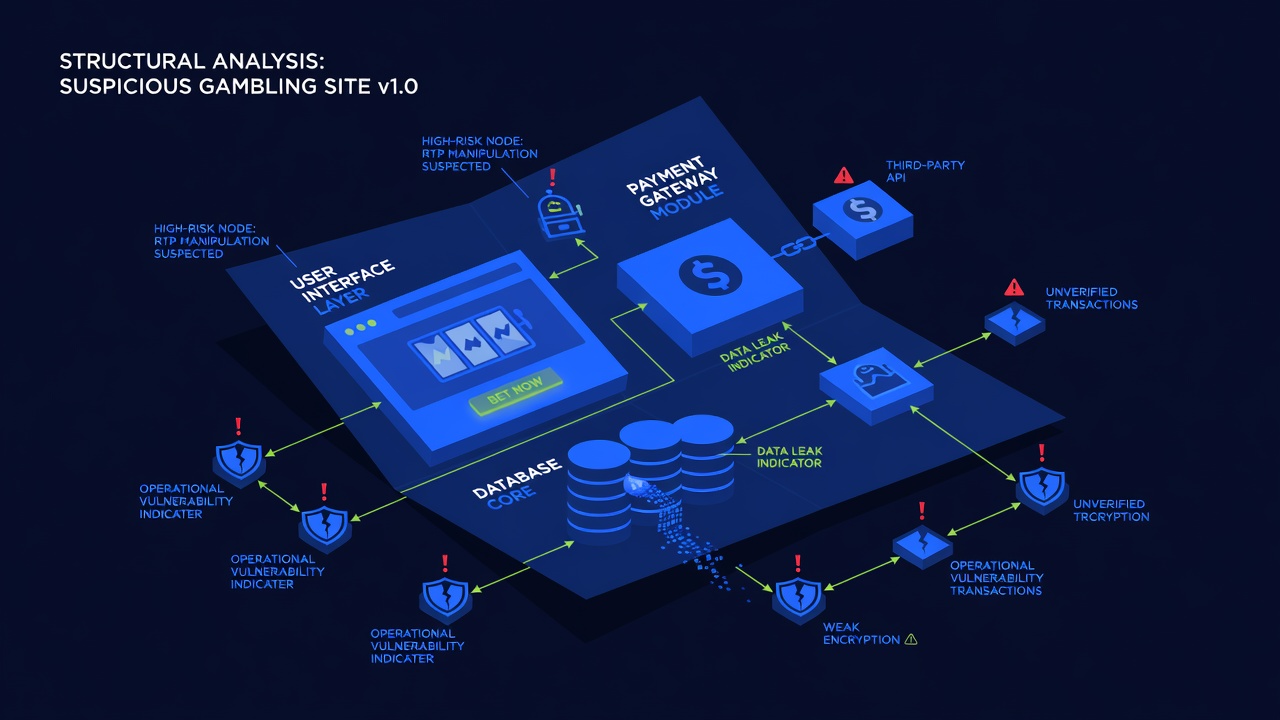
Consider the bettor approaching a gambling site. What does the bettor believe they are purchasing? A fair chance to win according to published probabilities. What might the site actually offer? A rigged game where the published probabilities are false. The gap between stated terms and actual terms is the fundamental betrayal.
One might ask: how can a bettor discern this gap before experience reveals it? Through scrutiny of what the site claims and what the site proves. A trustworthy site publishes its ownership structure, its jurisdiction, its regulatory status. A shady site obfuscates. The anonymity may indicate that the operator knows the bettor would object if identity were known.
Licensing and Jurisdiction
A gambling site claiming licensing under a recognized jurisdiction (Malta Gaming Authority, United Kingdom Gambling Commission, Curaçao eGaming, Kahnawake Gaming Commission) can be verified. One can contact the regulator and ask whether the license is current. A site providing no verifiable jurisdiction, or claiming jurisdiction in a place that does not actually license gambling, should raise doubt. The transparency of the regulatory claim is the first signal.
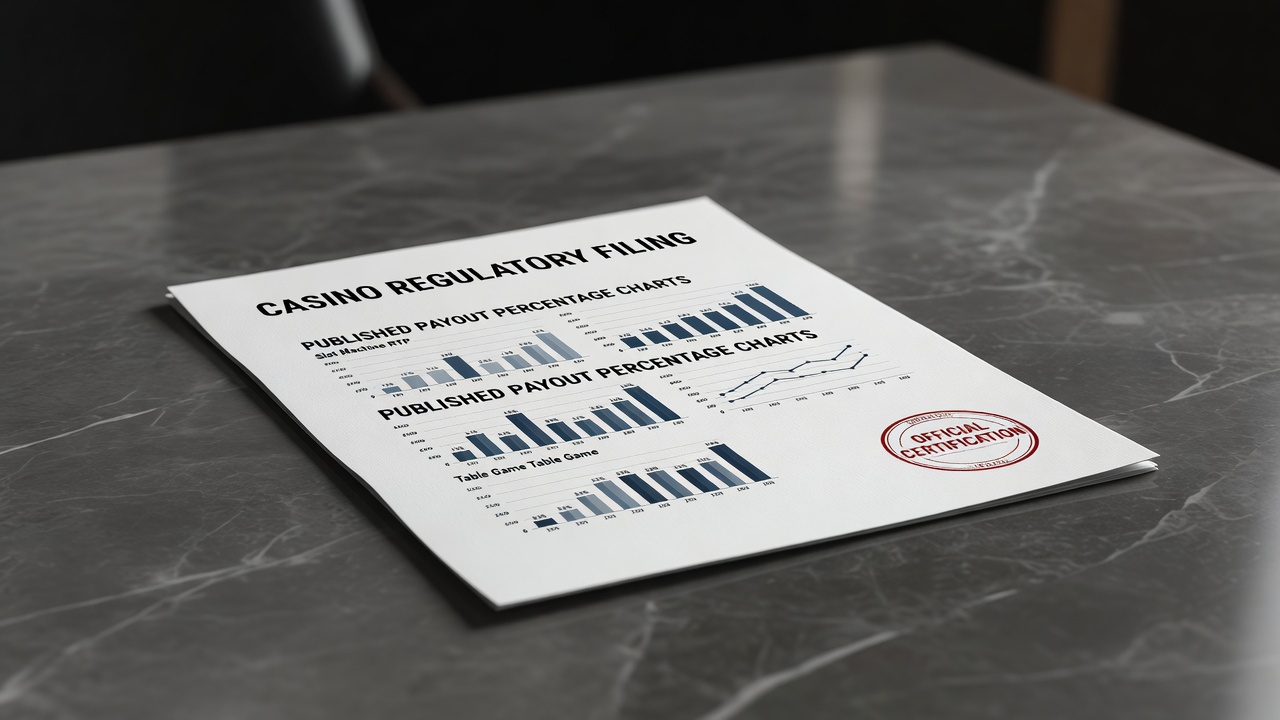
Consider also the site's transparency about game mechanics. If the site claims a house edge on slots of 2%, one should ask: upon what mathematics is this figure based? Can the site provide the RTP (return to player) percentage certified by an independent third party? A reputable site will have undergone testing by firms like eCOGRA or Gaming Laboratories International. These third parties certify that the game's mathematical claim matches its implemented code. A site claiming certification but unable to provide verifiable documentation has not truly undergone certification.
Deposit and Withdrawal Honesty
Examine the site's deposit and withdrawal policies. Does it promise rapid deposits and then delay withdrawals? This asymmetry suggests that the site benefits from holding capital. A trustworthy site offers symmetry: deposits and withdrawals operate on similar timelines and through similar methods. If the site accepts credit cards for deposits but offers only cryptocurrency for withdrawals, ask why. What asymmetry serves the site's interest but not the bettor's?
Likewise, examine withdrawal limits and processing times. A site that limits weekly withdrawals to small amounts while allowing unlimited deposits is structuring the relationship to favor rollover (the bettor re-depositing before withdrawal clears). This is a red flag that should trigger further scrutiny.
"The shady operator designs systems with asymmetries: easy money in, difficult money out."
Customer Support and Complaints
Research the site's reputation outside the site. What do independent forums say about payment disputes? A site with a pattern of contested withdrawals should be suspected of systematic non-payment. This requires effort; the bettor must visit multiple forums and assess whether complaints are isolated or systematic. A site with hundreds of complaint threads describing identical problems (withdrawal denied without explanation, account closed mid-session) represents material risk.
Attempt to contact customer support with a simple question and gauge the response. Does support answer? Is the answer coherent and informative, or generic and evasive? A site that employs evasive support is likely hiding operational defects.
Marketing and Sustainability
Examine how the site acquires new players. A site spending aggressively on advertising while maintaining minimal licensing oversight may be unsustainable. The advertising cost is real; the regulatory cost is zero (due to lack of regulation). Where does the site expect its revenue to come from? If the answer is "from player losses," ask whether player losses suffice to cover the advertising spend. If not, the site may be insolvent and will eventually collapse, freezing all withdrawals.
A site promising unusual return rates ("98% RTP on all slots") when industry standard is 94-97% should raise suspicion. The promise cannot be sustained unless the site is funded by external capital with no expectation of return. Is that likely? A more probable explanation: the site claims 98% RTP but actually implements 87%, pocketing the difference. The claim is simple advertising fraud.
The fundamental question: does the site's structure suggest it intends to honor its obligations to betters, or does the structure suggest the site intends to evade obligations? Regulatory licensing, third-party game certification, transparent ownership, symmetrical deposit/withdrawal policies, and documented customer support suggest honest operation. Anonymity, claims without verification, deposit-withdrawal asymmetry, and evasive support suggest dishonesty. This assessment requires no technical knowledge, only careful attention to what the site claims and what the site proves.
Rooms for this read
Share this read