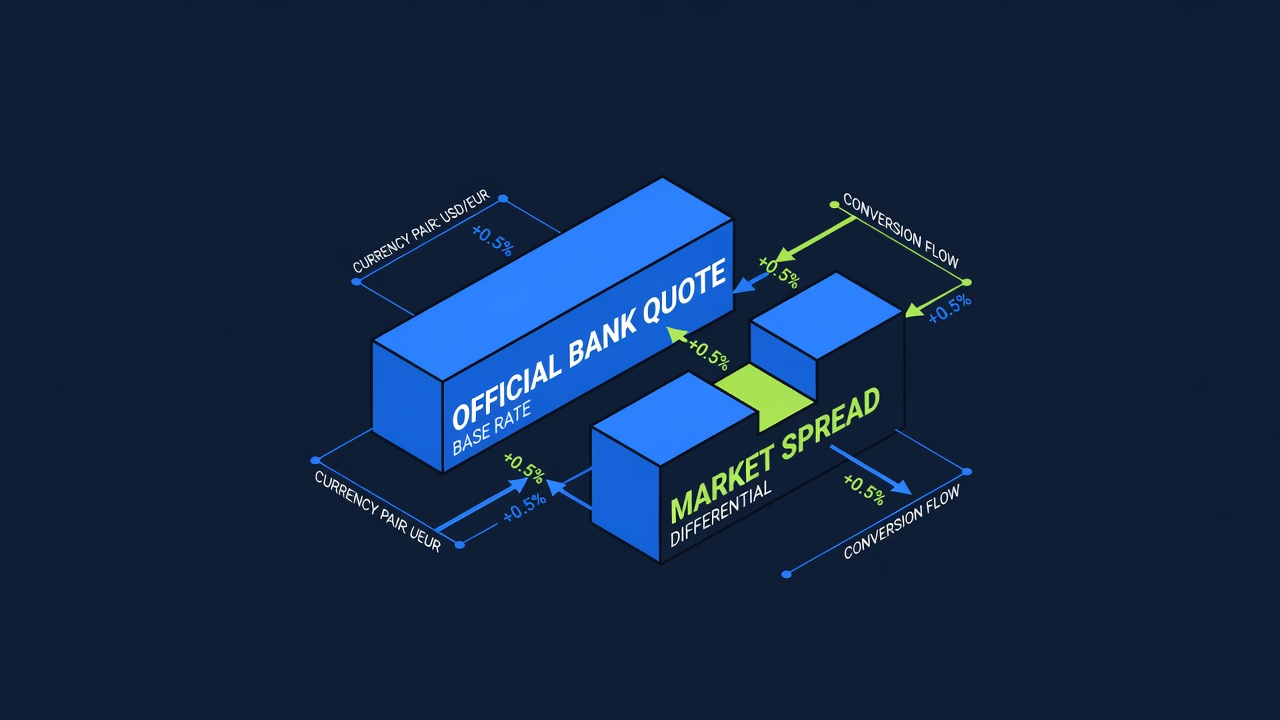
How Exchange Rates Can Affect Crypto Casino Deposits
A player deposits Bitcoin at 8pm on Monday. The price moves 5% by midnight. The deposit amount remains fixed; the fiat value changes. This volatility has real consequences for bankroll management.
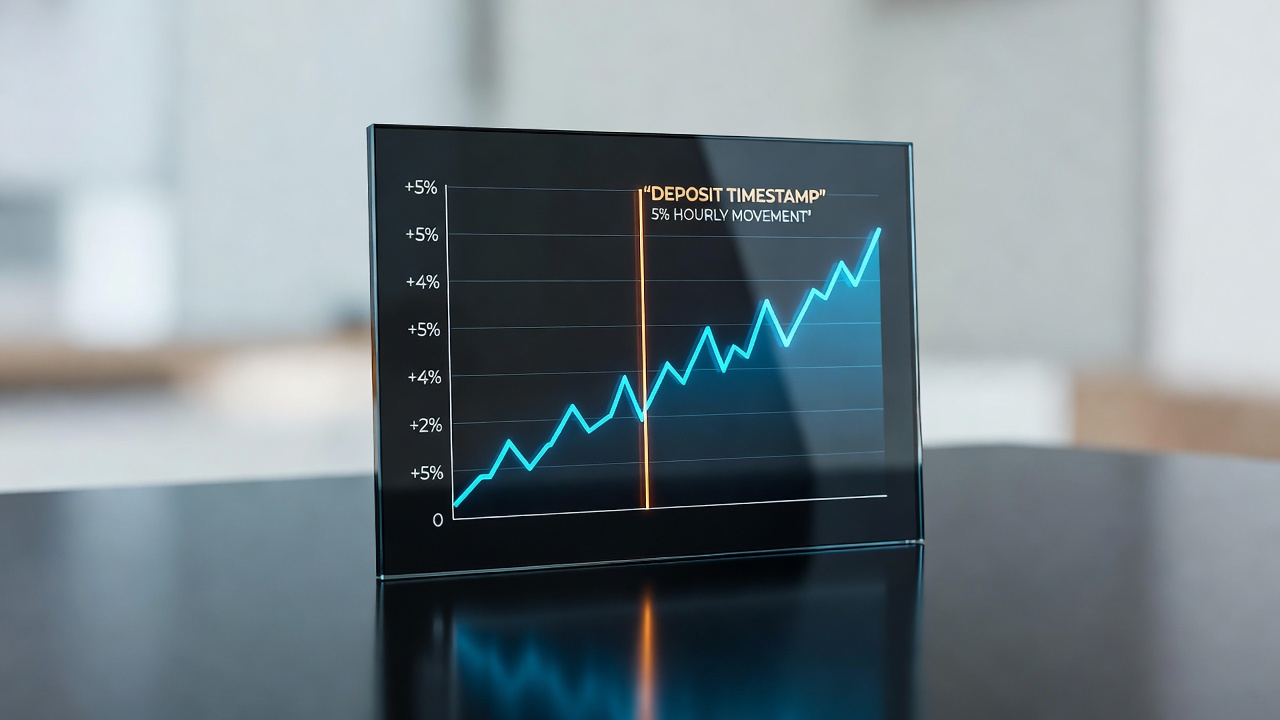
An industrialist from Hamburg deposits 0.5 Bitcoin to a casino at the moment Bitcoin trades at $45,000 per coin. His deposit value is $22,500. He intends to play modestly and withdraw within hours. Reasonable plan. He is not a trembling amateur; he understands the mechanics of the game. But he has overlooked something simple and consequential: by the time his deposit clears, Bitcoin might trade at $47,000 or $43,000.
If Bitcoin rises to $47,000, his 0.5 Bitcoin is now worth $23,500. A gain of $1,000 that he did nothing to earn. The casino has not moved the line on him. The market has moved. His bankroll is now larger than he expected. This matters if his intended loss was $1,000; he can afford a slightly larger loss and still break even in fiat terms. But most players do not think in these terms.
If Bitcoin falls to $43,000, his deposit is now $21,500. A loss of $1,000 before he places a single bet. He was planning a total loss of around $1,000-$2,000. Now he has already lost $1,000 to exchange-rate volatility. The casino has cost him nothing; the market has cost him.
The Timing Problem
The timing window depends on network congestion and the player's chosen blockchain. A Bitcoin deposit might confirm within 10 minutes if network fees are paid appropriately. An Ethereum deposit might confirm within seconds. A stablecoin on a layer-2 network (Arbitrum, Optimism) might confirm in less than a second. But a Litecoin deposit on a congested network might take hours.
During this window, the player is exposed to volatility without consent. Some operators address this by locking the fiat-equivalent value of the deposit at the moment it is initiated, not at the moment it is confirmed. The player deposits $22,500 worth of Bitcoin; the casino credits $22,500 in account value regardless of Bitcoin's price at confirmation. This eliminates exchange-rate risk.
Other operators do not lock the value. The player's account is credited with the exact amount of Bitcoin deposited. If Bitcoin's price drops, the account value drops. If Bitcoin's price rises, the account value rises. The player bears the risk. This is disclosed in the terms of service, but few players read it.
"A deposit initiated at one price might not clear for minutes or hours. In that window, the fiat value can swing significantly."
The impact scales with deposit size and volatility. A player depositing $100,000 worth of Bitcoin at a moment when volatility is elevated (Bitcoin moving 3-5% daily) is exposed to real risk. A $100,000 deposit with 4% volatility is a $4,000 exposure. That is not trivial.
Stablecoin deposits (USDC, USDT) eliminate this problem. A stablecoin maintains a constant value relative to the dollar through reserves and arbitrage. A deposit of 22,500 USDC always equals $22,500. No exchange-rate risk. The tradeoff: stablecoins are less liquid than Bitcoin (fewer buyers and sellers), and some operators offer lower deposit bonuses on stablecoins (incentivizing volatile crypto). But the stability is genuine.
One final consideration: withdrawal timing. A player wins money and attempts to withdraw in Bitcoin or another volatile crypto. The operator converts the fiat winnings to crypto at a specific exchange rate at withdrawal time. But the player does not receive the crypto instantly. The withdrawal transaction is broadcast to the blockchain, where it joins a queue. By the time the transaction confirms, the price may have moved 2-3% in either direction. The player receives fewer Bitcoin than they expected, or more. Again, timing creates uncontrolled exposure.
For bankroll management, the implication is straightforward: use stablecoins for deposits and withdrawals if the casino supports them. Avoid Bitcoin and Ethereum unless you are willing to absorb exchange-rate movement as part of your risk tolerance. The casino's math is hard enough; do not add currency risk.
Rooms for this read
Share this read