

A Guide to Portrait Mode Slots for Mobile Players
Portrait mode slots are designed for vertical screens. They use tall reels instead of wide reels. The gameplay is different. The math is the same, but the UI changes everything.
The Technical Constraint
Most people hold phones vertically. Portrait orientation is natural. But traditional slots are designed for landscape (wide) screens. When a mobile player rotates their phone, they switch from comfortable to uncomfortable.
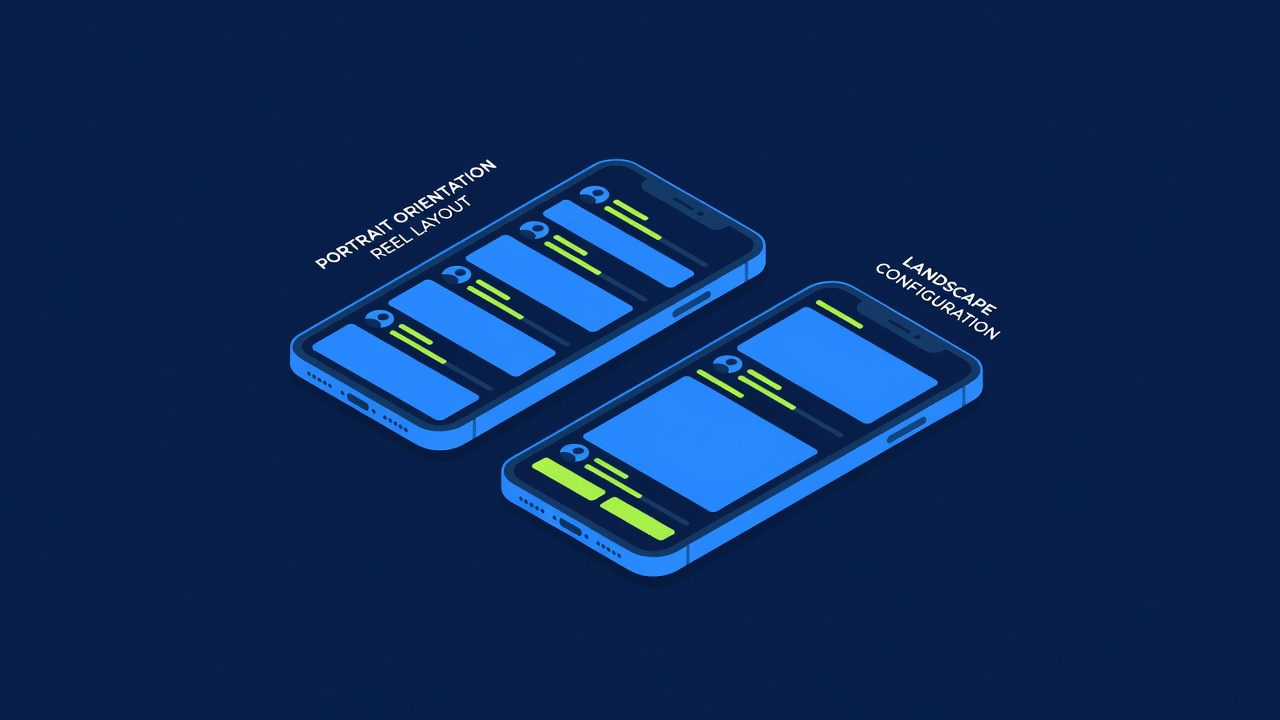
Portrait-mode slots are designed to be played one-handed, thumb-only, without rotation. The reel symbols stack vertically instead of horizontally. Three reels become one column. Five reels become one narrow column. The game is compressed.
This changes the visual processing. A traditional slot has reels spreading left to right. A portrait slot has reels stacking top to bottom. Your eye travels vertically instead of horizontally. This is a subtle change that affects engagement significantly.
The Design Specifics
First, the reel layout. A traditional slot might show five reels, three symbols per reel, for a total of fifteen symbols on screen. A portrait slot with the same configuration would stack them vertically, showing one reel per column. The symbols are smaller (to fit the narrow screen) but denser (more symbols are visible as you scroll).
Second, the paylines. A portrait slot uses vertical paylines instead of horizontal. Instead of matching symbols left to right across reels, you match symbols top to bottom in a single column. Or you match diagonally. Or you use a cluster-pay system (matching adjacent symbols regardless of reel position).
Third, the animations. Traditional slots have spinning reels that decelerate and stop. Portrait slots have scrolling reels that accelerate and decelerate vertically. The visual feedback is similar but the mechanic is different. Scrolling feels different from spinning.
The Engagement Impact
Portrait mode is faster. One-handed play means rapid spins. The player taps once, the reel scrolls, the result appears. No transition time. No animation delay waiting for reels to stop spinning. The game is paced differently.
Faster pace increases engagement. The player spins more times per minute. More spins mean more chances to win. More chances to win mean more dopamine hits. This is classical conditioning.
Slot manufacturers know this. Portrait-mode games are designed specifically to maximize spins-per-minute. The RTP is usually identical to landscape versions of the same game. But the player plays faster, so they lose faster.
The Interaction Pattern
Portrait-mode slots have a different UI affordance. Instead of large reel animations occupying the entire screen, the reels are compact. This frees screen real estate for buttons and information. A portrait slot might show: reel area (top), payline diagrams (middle), bet controls and balance (bottom).
This layout makes bet adjustment quick. The player can change bet size without scrolling. They can see their balance at all times. The UI is denser and faster.
Landscape slots allocate the same space but differently. The reel area expands. The controls are to the sides. The layout feels more theatrical. Portrait is utilitarian.
The Mathematics
A portrait-mode slot has the same RTP math as a landscape version (usually; some portrait slots have slightly different RTP for compatibility reasons). If the landscape slot is 96% RTP, the portrait slot is usually 96% RTP.
Where they differ is in feature frequency. Portrait slots often have frequent bonus triggers to maintain engagement during fast play. A bonus might trigger every fifty spins instead of every hundred spins. The bonus payout is adjusted to maintain RTP. So instead of paying bigger bonuses less often, the game pays smaller bonuses more often.
This maintains the expected loss rate while increasing the sensation of winning. The player sees more bonus screens, more animations, more frequent rewards. This is psychological. It does not change the math, but it changes the feeling.
The Regulation Angle
Portrait-mode slots are regulated the same as landscape slots. They must show the RTP. They must comply with all fairness rules. A regulator does not distinguish between vertical and horizontal layout.
But some jurisdictions have specific rules about spin speed. Some rules limit spins-per-minute to prevent excessive play. Portrait-mode games can violate these limits if not designed carefully. A manufacturer designing a portrait slot needs to ensure that the game's natural pace (the time between starting a spin and finishing a spin, including animations) does not exceed the speed limit.
The Player Strategy
A player should treat portrait-mode slots like any other slot. The fast pace is engaging, but it accelerates losses. If you have a fixed bankroll (say, 100 dollars), a portrait-mode game will burn through it faster than a landscape game.
The advantage of portrait mode is convenience. The disadvantage is speed. If you want longer play sessions, portrait mode is not ideal. If you want quick gaming while commuting, portrait mode is perfect.
But the math is the same. You will lose the same percentage of your bankroll regardless of the layout. The orientation affects pacing, not odds.
Rooms for this read
Share this read





