How to Beat Tight-Passive Poker Players
Tight-passive players fold too much and check too much. They win small pots and lose big ones. Beating them requires aggression and position, not complicated strategy.
You walk into the card room. You scan the tables. One jumps out: players folding constantly, checking when they should bet, playing scared. That table is gold.
Tight-passive players are the easiest opponents in poker. They are not weak because they are unlucky. They are weak because their strategy is fundamentally incomplete. Tight means they play fewer hands (good). Passive means they check and call instead of betting and raising (bad). The combination means they win small pots from terrible hands and lose enormous pots with marginal hands.
How to exploit them: bet aggressively. When a tight-passive player enters a pot, they have a hand. When they call a bet, they likely have a made hand or a draw. But they will not raise you. This means you can bet your entire range liberally. Your bluffs will work more often because they fold too much. Your value hands will make money because they call too much.
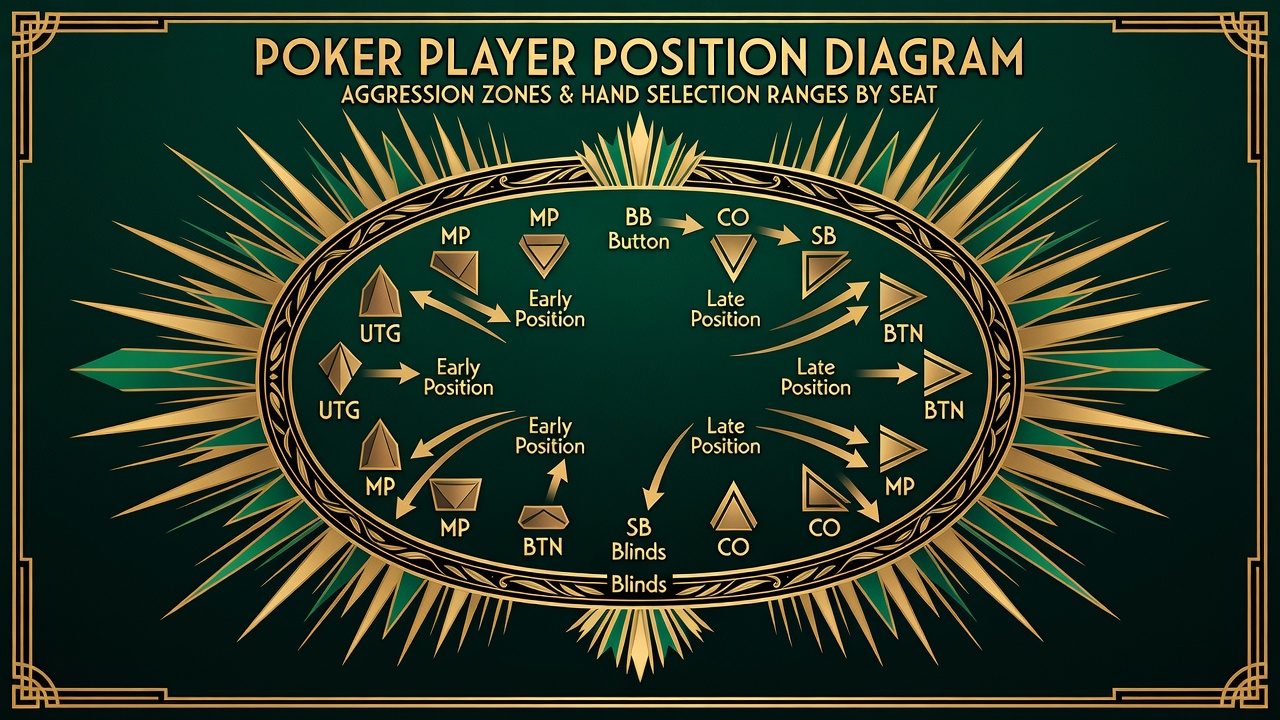
Position matters intensely against these players. In late position, raise aggressively and force them to act first. In early position, tighten up and play only strong hands. The difference in profitability between early and late position against weak players is massive. In late position you might profitably raise with 50% of your hands. In early position, maybe 15%. The best tight-passive tables are the ones where you can be in late position constantly.
Specific Tactics
Raise pre-flop liberally. Tight-passive players will fold the majority of their opening hands. The ones they call with are predictable: big pocket pairs, AK, AQ. Hands you can beat with aggression post-flop. Raise and take the pot immediately, or win it after one bet on the flop.
Bet the flop when you have position and they check. They will fold the vast majority of the time. Even if they call, you have the opportunity to check the turn and let them bluff, or keep betting and win the pot. Either way, your aggression controls the outcome.
When they finally raise you, respect it. Tight-passive players don't raise without a hand. A raise from them is a real hand, typically the strongest hand at that moment. If you have a marginal hand, fold. Your profit against these players comes from aggression on weak holdings, not from calling down with nothing.
"Tight-passive players win small pots through tight play and lose big pots through passive play. Attack their passivity and exploit their tightness."
One warning: if a tight-passive player becomes frustrated (losing money), they sometimes loosen up dramatically. A player who was tight-passive for hours suddenly plays loose-aggressive. This is a personality tell. When it happens, shift to a tighter range. You can't beat loose-aggressive players with the same tactics that beat tight-passive.
The meta-lesson: poker is not about having the best hand. It is about exploiting the gap between your strategy and your opponents' strategy. Tight-passive players have a specific strategic gap (folding too much and betting too little). Find that gap and attack it relentlessly. The money you make from exploitation is far larger than the money you make from being fundamentally sound.
Rooms for this read
Share this read