

Chip Reese: Why Doyle Brunson Called Him the Best Ever
Chip Reese was described by Doyle Brunson as the best poker player ever. Examining his actual record and style explains why experienced players made this claim.
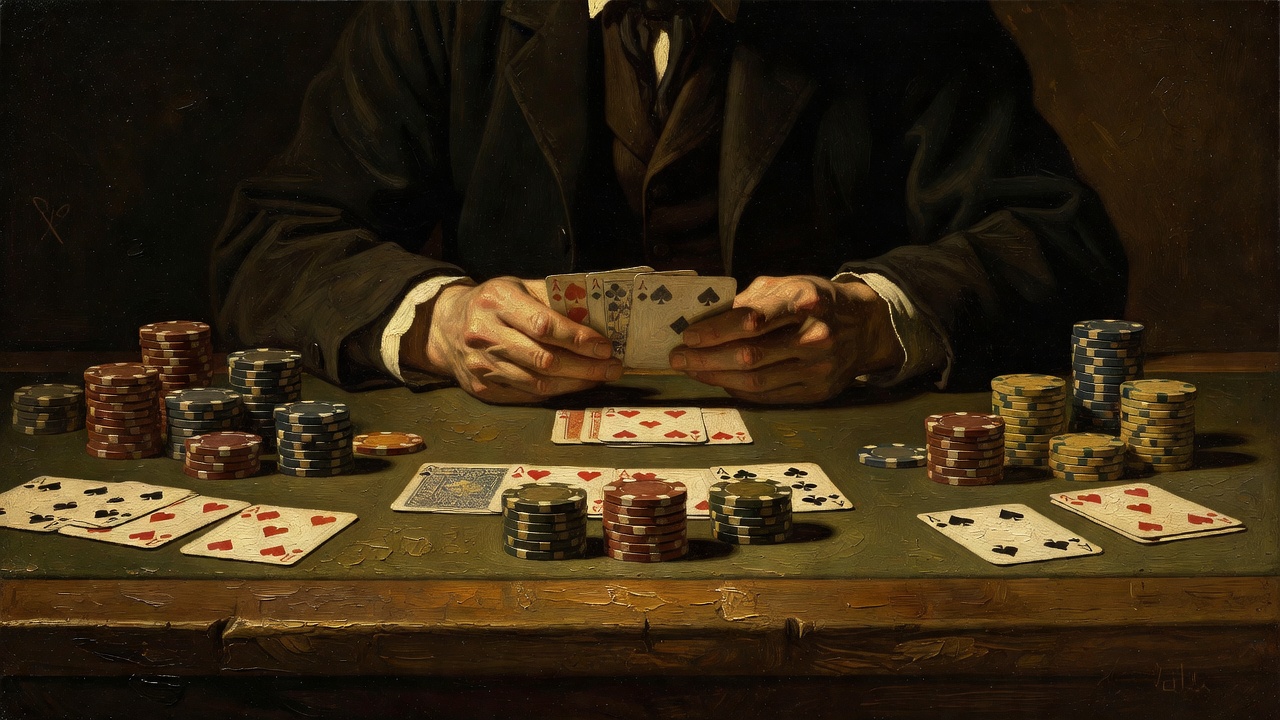
First: Doyle Brunson is not a casual commentator. He has played fifty thousand poker hands against the world's best players. When he says Chip Reese was the best ever, that claim requires examination.
Chip Reese was primarily a high-stakes cash-game player, not a tournament specialist. His tournament record is solid but not remarkable compared to his contemporaries. His cash-game record is exceptional. The distinction matters: tournament poker and cash-game poker are different games with different skill distributions.
Cash games reward consistency and accuracy more than tournaments do. A tournament player can get lucky, win chips early, and coast to a victory through elimination of weak opponents. A cash-game player faces the same opponents repeatedly. Luck averages out over thousands of hands. Win rate reflects actual skill more directly.
Reese's win rate in high-stakes cash games was measurably superior to his peers. Players who tracked such things (and high-stakes players do) documented Reese's hourly rate as the best in his era. He was extracting money from the best players in the world at consistent rates. This is not luck; this is skill.
His style was also distinctive. Reese played a tight, aggressive range. He was willing to fold marginal hands and wait for positions where he had high-confidence advantage. He did not play a wide range; he played strong hands strongly. This discipline produced fewer variance swings than looser players experienced. Other top players noticed this.
What Made Him Exceptional
One specific advantage: Reese was excellent at reading player tendencies. He adapted his play based on opponent types. Against a passive player, he was aggressive. Against an aggressive player, he tightened up and let the aggression hang themselves. This adaptation (which sounds obvious) is harder to execute than it sounds. Most players have a fixed style that works well against some opponents and poorly against others. Reese adjusted.
Reese was also early to adopt game theory optimal (GTO) thinking, though the term did not exist yet. He understood that some plays made sense not because they exploited specific opponents, but because they were unexploitable. He mixed strategies in ways that prevented opponents from developing counters. This is modern poker theory, but Reese was practicing it in the 1980s.
"Chip Reese was called the best because he won consistently against the world's best players for decades. His style was optimal before optimal theory was formalized."
He also had intellectual humility. Reese was willing to learn from anyone. He discussed hands with other top players. He updated his approach based on feedback. Many ego-driven players resist this. Reese embraced it.
One more factor: bankroll management. Reese maintained a large enough bankroll to weather variance without altering his strategy. A smaller bankroll forces uncomfortable play: fear of ruin changes decisions. Reese's bankroll was sufficient that he could play his optimal strategy without emotional compromise.
Reese died relatively young (2007, age 56). His later years were less dominant as younger players learned GTO and adapted to his style. But his peak years (1980s and 1990s) established him as the era's best. Doyle's assessment reflects that era, when Reese was an unchallenged force in the highest-stakes games.
Rooms for this read
Share this read





