Anti-Fraud Measures Used by Modern Online Casinos
A short excerpt about Anti-Fraud Measures Used by Modern Online Casinos that hooks the reader with a specific observation or claim. Anti-Fraud Measures Used by Modern Online Casinos is examined through a unique lens.
Anti-fraud measures used by modern online casinos are sophisticated. Every transaction is monitored. Every account is tracked. Here is how casinos prevent and detect fraud.
KYC and AML
KYC = Know Your Customer. Every player verifies identity.
AML = Anti-Money Laundering. Every deposit is monitored for suspicious patterns.
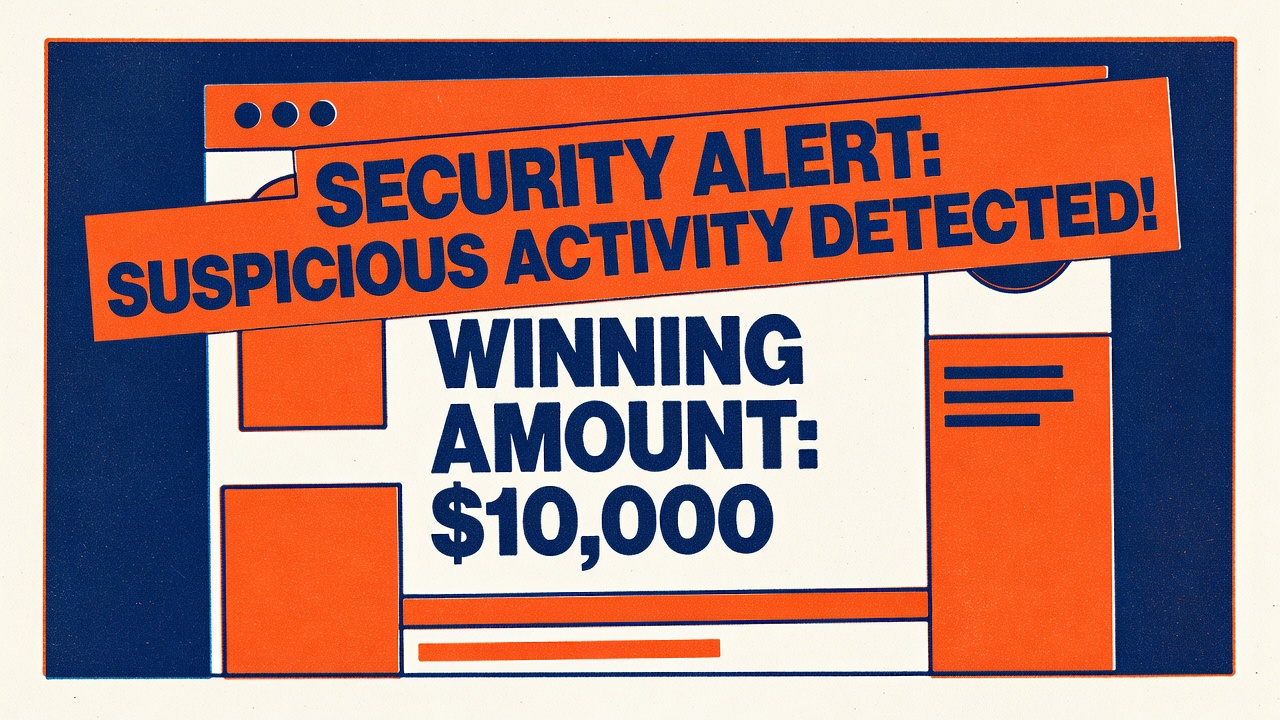
A player deposits $10,000 from a country known for money laundering. The system flags it.
A player deposits $500 per week for six months, then withdraws $500,000. Suspicious. Flagged.
Flagged accounts get reviewed manually. Casinos request source of funds documentation.
Fraud Detection
Behavioral analysis: if a player suddenly wins $50,000 after consistent losses, the system checks if they have cheated or if this is variance.
IP address monitoring: if a player logs in from five different countries in one day, that is suspicious.
Device fingerprinting: if a new device tries to use an account, you might be prompted to verify.
Payment Fraud
Chargebacks are tracked. If a player disputes a deposit after losing, this gets noted.
Stolen credit cards are caught when the actual cardholder disputes the transaction.
Casinos maintain blacklists of known fraudsters and share them with industry partners.
Responsible Gaming Tools
Self-exclusion: a player can voluntarily ban themselves from the casino.
Deposit limits: a player can cap how much they deposit per day or week.
Loss limits: a player can cap their losses.
Casinos track if these tools are being circumvented. If a player sets a deposit limit then calls to remove it multiple times, this is flagged.
RNG Audits
Independent auditors regularly test the RNG to verify it is truly random.
They run statistical tests. They look for patterns that would indicate bias.
Casinos are required to publish audit results for licensed jurisdictions.
Reality
These measures work. Online casinos have chargeback rates under 1% because fraud is detected.
Unlicensed casinos do not use these measures. They have chargeback rates of 5% to 10% because they are targets for fraud.
Rate Limiting
Casinos implement rate limiting to prevent automated bot attacks. If an account makes too many requests too quickly, the account gets locked.
This protects the casino's servers.
Account Verification Escalation
If a player's behavior seems suspicious, the system requires additional verification.
A player might be asked to submit a government ID, proof of address, or source of funds documentation.
This is mandatory. If a player refuses, the account gets closed.
The Honeypot System
Some casinos use honeypots: obvious but fake loopholes that fraud ers try to exploit.
If a fraud er triggers the honeypot, their account is immediately flagged for investigation.
Why This Matters
These measures cost casinos millions per year. But they save billions from fraud.
A casino that does not implement these measures will be overwhelmed by fraud and chargebacks.
Casinos that do implement them maintain profitability.
Broader Implications
Understanding the mechanics of these games and systems is the foundation of rational decision-making. Most players gamble without this understanding. They rely on intuition, tradition, or superstition. This is efficient for the casinos.
For players seeking to minimize harm or maximize information, understanding the structure is essential. The structure is not random. It is designed. Understanding the design allows you to make conscious choices about participation rather than drifting into patterns based on feel.
Moving Forward
Whether you choose to participate in these games is a personal decision. But that decision should be based on full information about expected costs, volatility, and how these systems work. This content provides that foundation.
Rooms for this read
Share this read