How US State-by-State Online Gambling Regulation Generally Works
American online gambling is regulated at the state level, not the federal level. This creates a patchwork. The patchwork is less random than it appears.
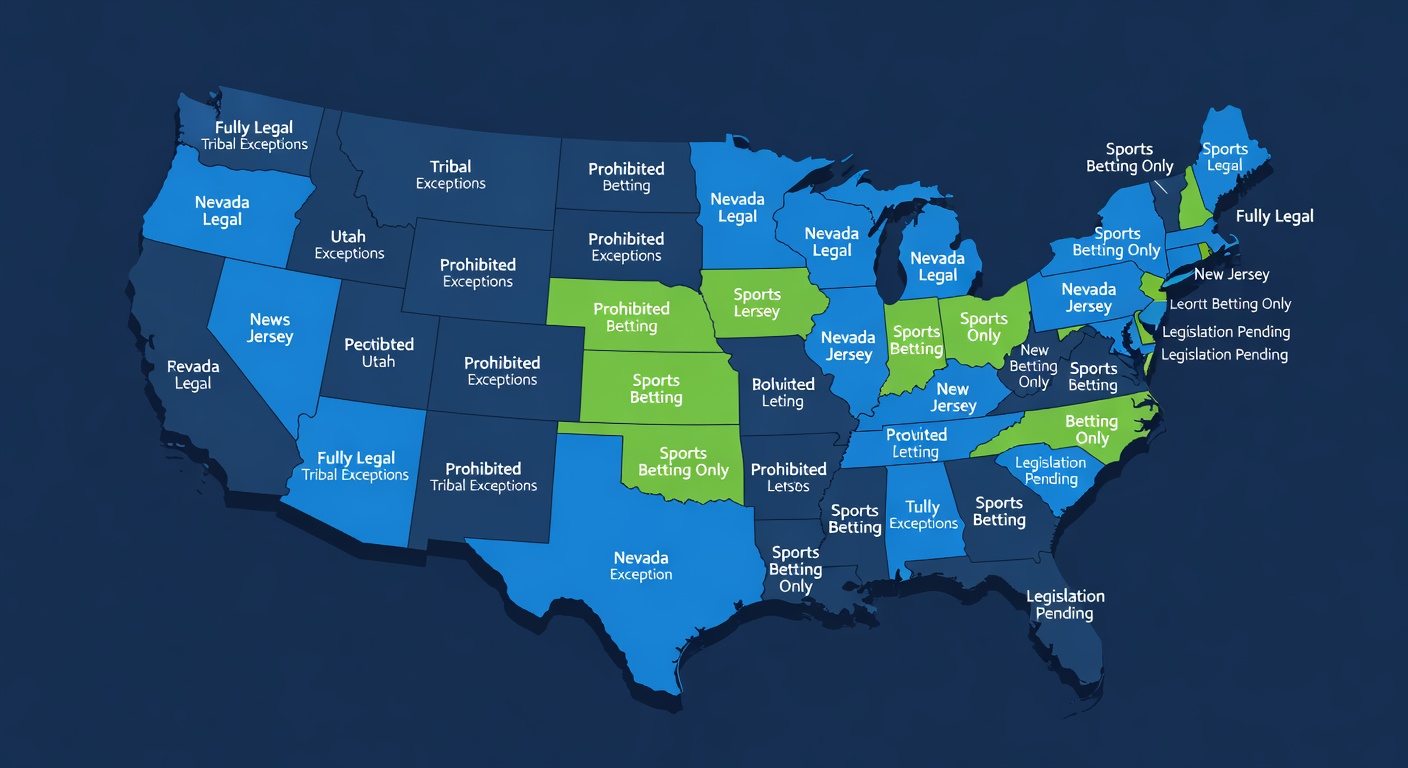
The American regulatory approach to gambling is decentralised.
The Federal Baseline
The Wire Act of 1961 made it illegal to transmit bets across state lines via telephone. When the internet emerged, the applicability of the Wire Act was unclear. In 2011, the Department of Justice issued an opinion stating that the Wire Act applied only to sports betting, not to other forms of gambling. This opinion created the space for states to authorise online gaming.
The State Licensing Model
States that wish to permit online gambling must pass legislation. The legislation typically specifies: which games are permitted, which operators are permitted, what tax rates apply, and what consumer protections are mandatory. New Jersey was the first state to pass such legislation in 2013. Pennsylvania followed in 2017. Most states have followed since.
Interstate Compacts
Some states have negotiated interstate compacts. These are agreements allowing players from multiple states to share a single liquidity pool. A player from Pennsylvania can play poker with a player from New Jersey on the same site, because the two states have agreed. A player from New York cannot, because New York has not agreed.
These compacts are relatively rare. Most states operate independently. This fragmentation creates inefficiency for operators but protects state revenue by preventing liquidity from flowing across state borders.
The Tribal Question
Native American tribes have separate sovereignty. Many tribes have negotiated gaming compacts with states. A tribe can operate an online casino if the compact permits it. This creates a secondary licensing pathway that operates in parallel to the state system.
What Gets Permitted
Most states permit online poker, online slots, and online table games. Some states restrict slots. Some prohibit table games. The variation is substantial. A player in Pennsylvania can play slots in their home. A player in New Hampshire cannot.
Sports betting has been permitted in some states since 2018. The variation in sports betting rules is even greater than in casino games. Some states permit horse racing betting, some do not. Some permit parlay bets, some do not.
The Tax Mechanism
States impose excise taxes on operators. These taxes typically range from 15 to 50 percent of gross gambling revenue. The high end of this range makes it very difficult for an operator to be profitable. This creates pressure to operate in multiple states simultaneously, spreading the tax burden.
The Consumer Protection Rules
Most states require responsible gambling tools: self-exclusion, deposit limits, reality checks. Most states require data protection and security standards. Most states require testing and certification of games before launch.
These protections are not uniform across states. A player in New Jersey benefits from stricter rules than a player in Pennsylvania. The variation creates opportunity for operators to forum-shop: establishing operations in states with lighter regulations.
The Practical Effect
For the consumer, the practical effect is complexity. You must check your state's regulations before playing. A site legal in New Jersey might be illegal in your state. A game permitted in Pennsylvania might be forbidden in yours. The fragmentation is not efficient, but it is the system that exists.
Rooms for this read
Share this read