The Difference Between Fixed and Progressive Jackpot Slots
A short excerpt about The Difference Between Fixed and Progressive Jackpot Slots that hooks the reader with a specific observation or claim. The Difference Between Fixed and Progressive Jackpot Slots is examined through a unique lens.
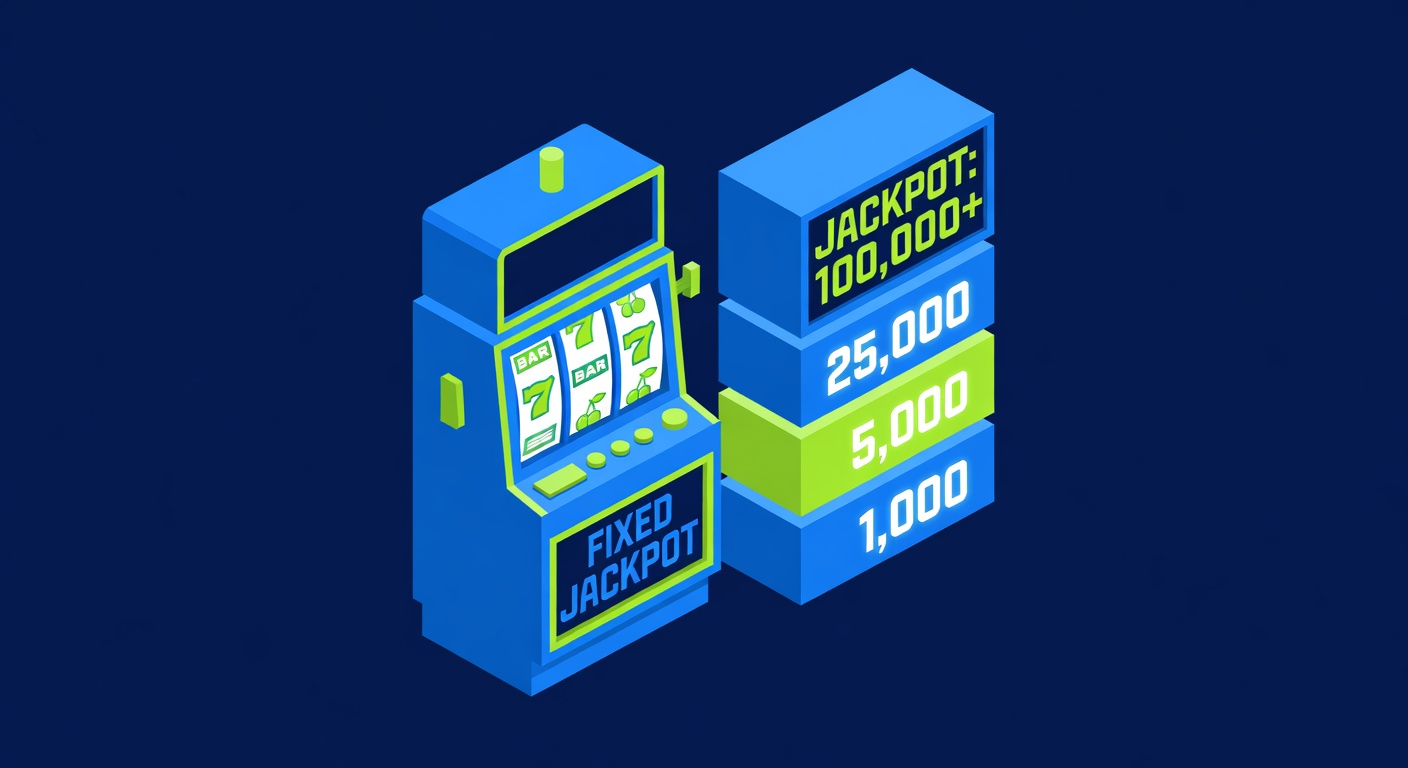
Slot machines have two types of jackpots. Fixed jackpots are the same every time. Progressive jackpots grow. Which one should you play?
Fixed Jackpots
A game has a fixed jackpot of 1000 coins. Every player who hits the jackpot wins 1000 coins, no matter when.
The RTP and house edge are fixed. You know exactly what the payouts are.
The game is mathematically stable.
Progressive Jackpots
A game has a progressive jackpot that starts at 1000 coins. Every spin that does not hit the jackpot adds to it.
If a thousand people each play one spin without hitting, the jackpot is now 1000 plus 1000 (or whatever the contribution is) equals 2000 coins.
The next player might hit 2000 coins.
Additional Consideration
For players trying to optimize their experience, understanding these concepts helps you make better decisions. Every casino game has mathematical properties that determine your long-term outcome. The short-term variance makes it feel like skill or luck matters, but the house edge is inexorable.
The Math
Progressive jackpots make the game's expected value dependent on the jackpot size.
A progressive slot might have a base game house edge of 2%. But if the jackpot is huge (5000 coins instead of 1000), the overall house edge drops to 1% or even to player-favorable.
This means you should only play progressive slots when the jackpot is high.
When to Play Each
Play fixed jackpots: when you are just having fun and do not care about optimal strategy.
Play progressive jackpots: only when the progressive jackpot has grown significantly above its starting value. Check the paytable or ask a casino employee. Only play if the current jackpot is abnormally high.
Never chase progressive jackpots. The lottery mentality is expensive.
Timing Your Play
Mathematically, it does not matter when you play a progressive. The probability is the same.
But psychologically, playing when the jackpot is high feels better.
The actual expected value only becomes positive when the jackpot reaches a certain threshold.
For a slot where the jackpot starts at 1000 coins and contributions are 10% per spin, the jackpot would need to reach roughly 5000 coins for the game to have a positive expected value.
The Addiction Mechanism
Progressive jackpots are dangerous for problem gamblers because the ever-growing jackpot provides hope.
"It just hit 3000 coins. It could hit 4000 tonight. I should keep playing."
This hope keeps people playing longer than they should.
Vs Fixed Jackpots
Fixed jackpots do not have this psychological trap. The jackpot is always the same.
If you do not win, you move on. If you do win, you did.
With progressives, the jackpot growing keeps you hooked.
Broader Implications
Understanding the mechanics of these games and systems is the foundation of rational decision-making. Most players gamble without this understanding. They rely on intuition, tradition, or superstition. This is efficient for the casinos.
For players seeking to minimize harm or maximize information, understanding the structure is essential. The structure is not random. It is designed. Understanding the design allows you to make conscious choices about participation rather than drifting into patterns based on feel.
Moving Forward
Whether you choose to participate in these games is a personal decision. But that decision should be based on full information about expected costs, volatility, and how these systems work. This content provides that foundation.
Rooms for this read
Share this read