

Semi-Bluffing Explained With Real Hand Examples
A semi-bluff is a bet with a hand that is not the best right now but could improve. It is a calculated move, not a guess.
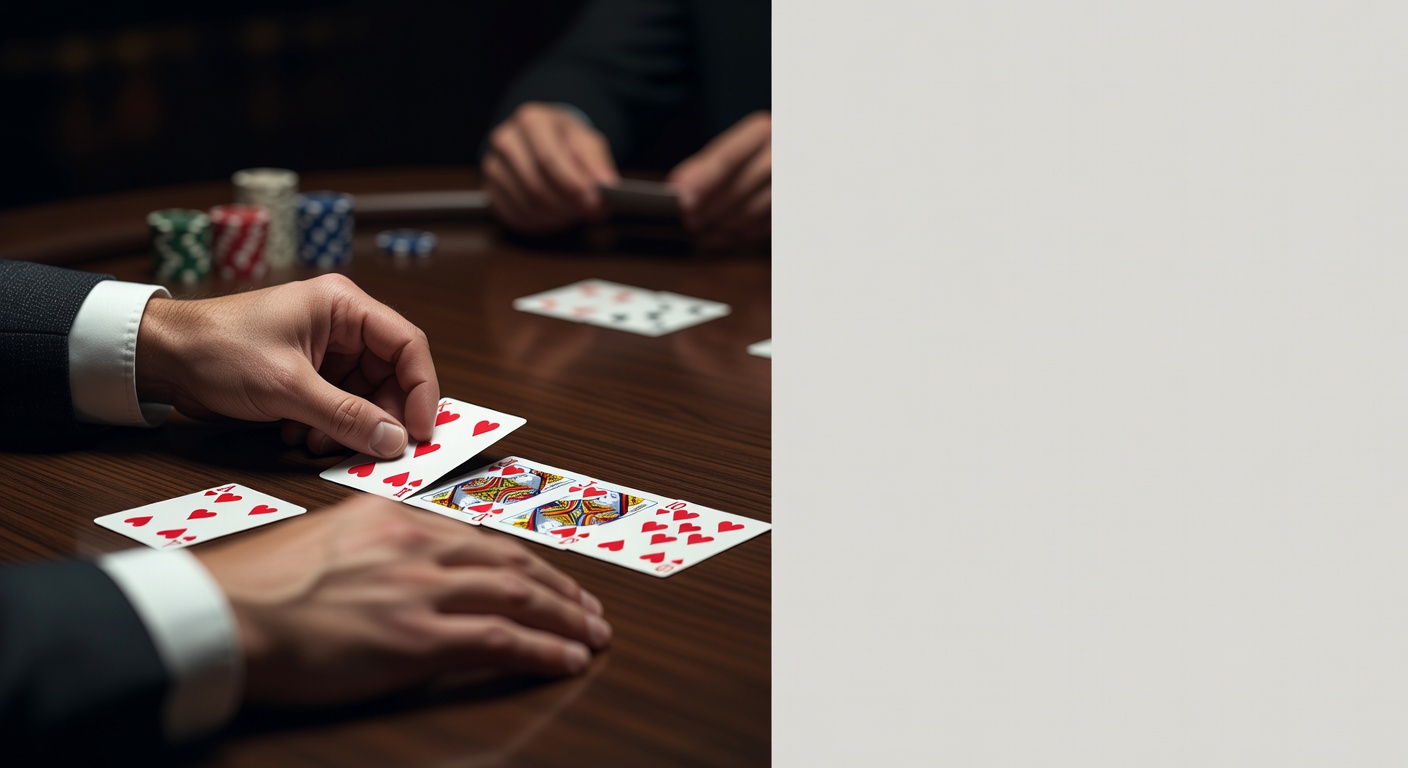
Semi-bluffing is a poker concept that separates novices from professionals.
Key Points
Example. You hold A-K of hearts. The board shows 9-7-2 of different suits. You have no made hand. You have two overcards (ace and king beat all current cards) and a backdoor flush draw (four unseen hearts remaining).
You bet. Your opponent might fold, and you win immediately. If called, you have sixteen outs (three aces, three kings, four hearts for the flush, plus one additional heart for a higher flush). These outs give you approximately 32 percent equity in the pot. The bet has two ways to win.
This is different from a pure bluff, where you have no way to win except by forcing a fold. A pure bluff is high-risk and only profitable in certain situations. A semi-bluff is lower-risk because you have multiple routes to victory.
The power of semi-bluffing is that it is hard to exploit. An opponent cannot simply call you down because you might have the best hand. An opponent cannot simply fold because you might be bluffing. The equity distribution is complex.
When you make a semi-bluff and get called, you are happy because you still have a good chance to win. When your pure bluff gets called, you have almost no chance. This is why semi-bluffing is a staple of strong poker players.
The calculation requires understanding pot odds and equity. Most recreational players do not do the calculation. They just know a semi-bluff "feels right." The ones who calculate it are the ones who win money over time.
For the player, understanding this dynamic is essential. Most casual participants overlook the mechanics entirely. This oversight costs them money consistently. The margin between informed play and uninformed play grows with each decision made. Over time, these margins become substantial. The cost of ignorance compounds.
The Takeaway
For the serious player, this understanding is foundational. The difference between casual and professional approach is measurable. Over a season, the marginal gains accumulate. These gains are not luck. They are the result of systematic thinking about the mechanics that most players ignore.
The player who understands these principles will lose less money in the long run. The player who masters these principles might actually edge into profitability. Neither outcome is guaranteed. The advantage is real nonetheless.
The numbers matter. The discipline matters. The emotional control matters. Without all three, the best information is worthless. With all three, even modest insights compound into significant advantages.
Rooms for this read
Share this read





