Bitcoin Sportsbooks vs Fiat Sportsbooks: Pros and Cons
Bitcoin sportsbooks operate differently than traditional fiat sportsbooks in ways that matter: withdrawal speed, geolocation restrictions, and regulatory oversight vary significantly.
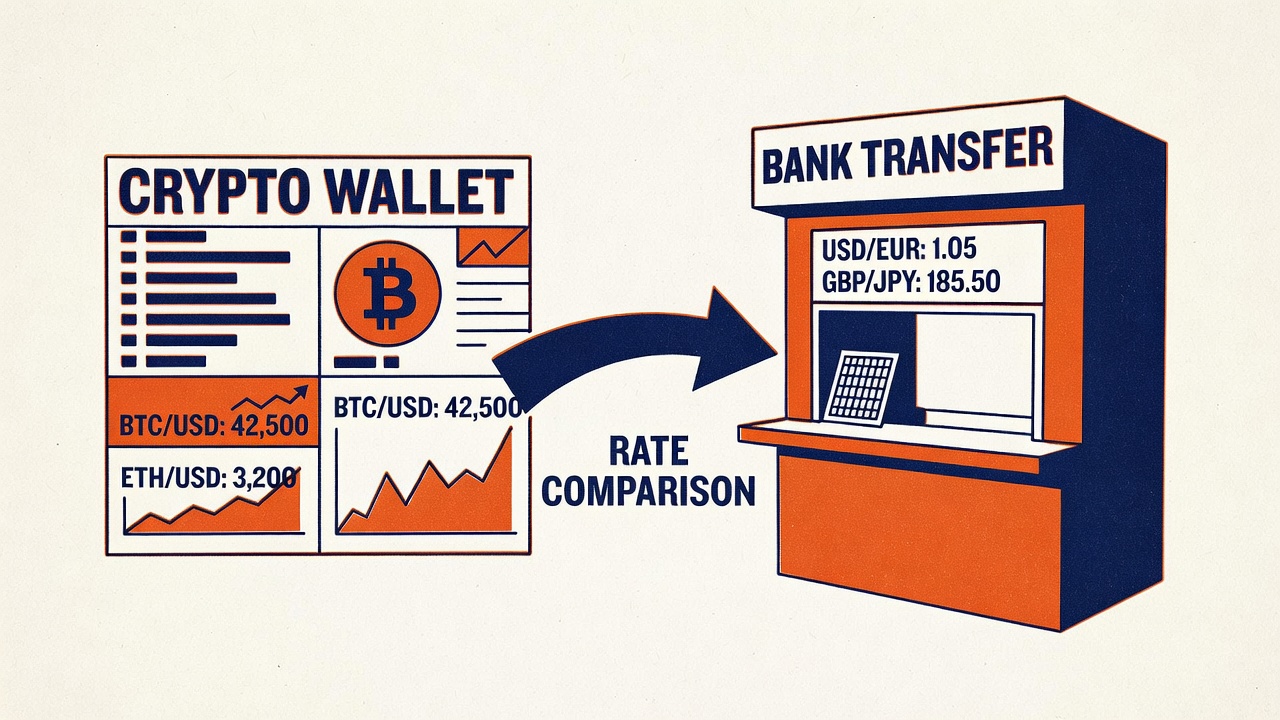
Okay so here's the thing about Bitcoin sportsbooks. They're actually insane, and I'm going to break down why in a way that makes sense.
First, the speed thing. A Bitcoin sportsbook can process withdrawals in like 10 minutes. That's not an exaggeration. You request a withdrawal, the operator confirms it, and your funds hit your wallet almost immediately. A traditional sportsbook? You're looking at 3-5 business days minimum. Actually, in some cases it can be longer. That's because banks are slow. Bitcoin is not slow.
But here's where it gets weird. Bitcoin sportsbooks don't have the same geographic restrictions as traditional sportsbooks. If you're in a place where sportsbooks are regulated by the state (which is happening more and more), a licensed sportsbook will block you if you're outside their jurisdiction. Bitcoin sportsbooks mostly don't care. They operate in regulatory gray areas. So they don't have the same blocklists.
The downside of that is actual, though. Traditional sportsbooks are regulated. They have insurance, they have oversight, they have customer protection. A Bitcoin sportsbook that doesn't answer to any regulator can just disappear. Your funds could be gone. That's happened. Multiple times.
The Odds Difference
Odds on Bitcoin sportsbooks are sometimes slightly off market compared to traditional books. That's actually wild because it creates tiny opportunities if you know what you're looking for. But it also means the markets are thinner, which means your bet size is more limited. You can't place a $5,000 bet on a moneyline that moves the whole market the way you could on FanDuel.
Withdrawal minimums also vary insanely. Some Bitcoin books have no minimum withdrawal. Others have 0.001 BTC minimums. That's like $40 right now. Bitcoin's price volatility means this changes constantly. So the same book might have a different minimum next week.
Taxes are another thing. Bitcoin transactions are traceable. If you withdraw your winnings in Bitcoin, that's a taxable event. The IRS cares. A traditional sportsbook sends you a 1099. You know what you owe. Bitcoin sportsbooks are less transparent about this. You're responsible for tracking your own gains and losses. That responsibility is actually on you.
"Bitcoin sportsbooks are fast and flexible but lack the regulatory protection that comes with licensed traditional books."
Promotion-wise, traditional sportsbooks have to follow state regulations about bonuses. Bitcoin books can offer whatever they want. Sometimes that means better deals. Sometimes that means sketchy deals designed to lock you into playthrough you can't clear. The absence of regulation cuts both ways.
Account security is different too. Bitcoin sportsbooks rely on you managing your own security. Two-factor authentication is critical. A traditional sportsbook's security is their problem. You're just giving them a username and password. That's both easier and harder depending on your perspective. Easier because you don't have to think about it. Harder because you're trusting a company to protect your data.
Finally, the experience of betting is the same. You pick a game, set the odds, place the bet. The interface might be slightly different, but it's basically identical. So if you prefer Bitcoin speed and geofencing flexibility, you get it at the cost of regulatory protection. If you prefer regulatory oversight and customer protection, you get it at the cost of slower payouts and georestriction. That's the actual trade you're making.
Rooms for this read
Share this read