Daniel Negreanu: From Toronto Pool Halls to Poker Royalty
Daniel Negreanu's rise from Toronto pool halls to six WSOP bracelets illustrates how excellence in one form of gambling translates across contexts. His adaptability across games distinguishes him from specialists.
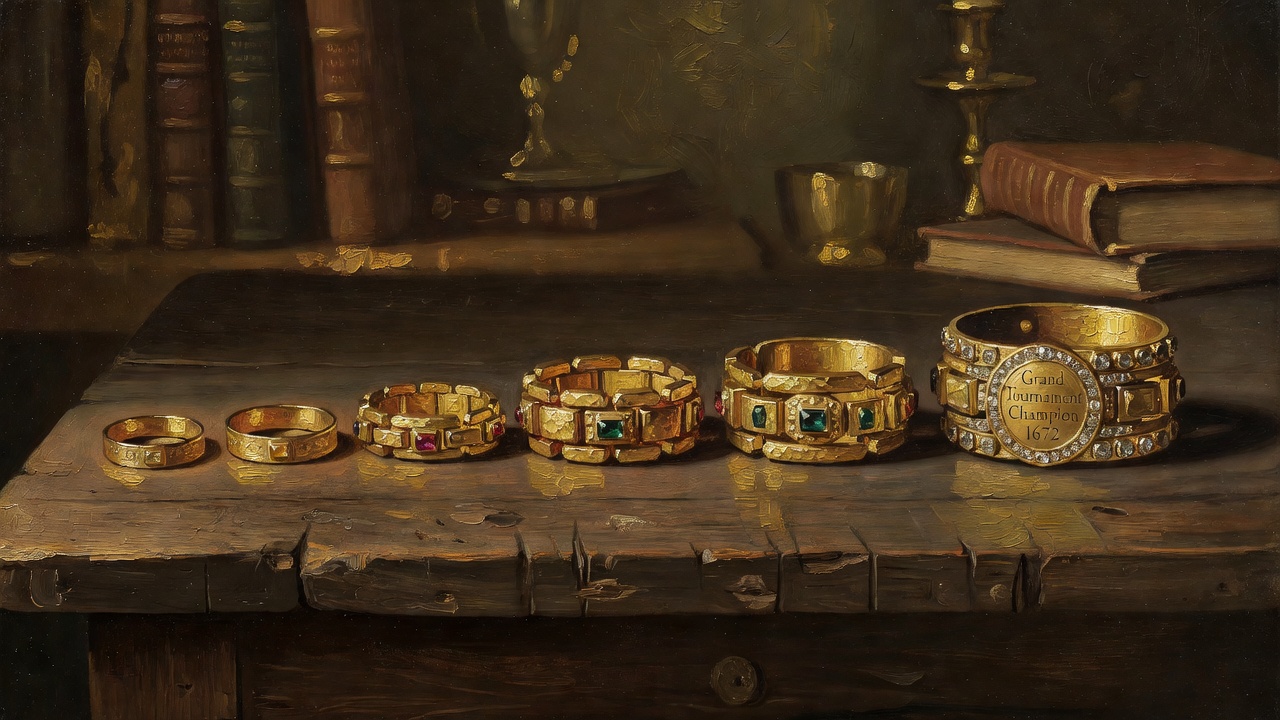
Negreanu grew up in Toronto in the 1980s, where poker existed in the margins. Legal poker rooms were sparse; cash games were private. He began playing pool in neighborhood halls, learning patterns of risk and odds that would transfer to cards later. The pool halls were his MBA in variance management. Young people in low-stakes gambling environments learn something essential: a bad run does not mean you are bad. It means you have not played enough hands.
He moved to Las Vegas in the mid-1990s, exactly when the World Series of Poker was transitioning from obscure tournament to cultural event. The timing mattered. He entered a growing industry, not a declining one. He played cash games initially, building bankroll and reputation simultaneously. Cash players are specialists; they live on the edge between break-even and ruin for years. Only those with significant skill make it. Negreanu made it.
His tournament results started arriving in the 2000s. Six WSOP bracelets by his mid-thirties. Two World Poker Tour championships. Approximately $42 million in tournament earnings (as of 2023). These numbers compress decades of thousands of hours into a single metric: success. They do not capture the bad months, the losing tournaments, the psychological toll of variance.
What distinguished Negreanu was adaptability. Most great poker players are specialists: experts in one variant (cash, tournaments, sit-and-gos) or one game (Texas Hold'em, Omaha, Razz). Negreanu excels across all formats. He won tournaments, won cash games, won mixed-game events. This flexibility is rarer than pure peak skill. It reflects a deeper understanding of probability and psychology, generalizable across contexts.
Media and Brand
Negreanu also became a public figure, appearing on television, writing columns, building a coaching business. This transition from private expert to public personality is fraught. The public persona can overshadow the expert, or the two can coexist. Negreanu managed both successfully. He remained competitive while building a personal brand. Few top players have managed this.
His coaching business (Run It Once, a poker strategy site) generates revenue independent of tournament results. This is significant: it decouples his financial success from his ongoing play. Younger top players now have multiple revenue streams (streaming, coaching, sponsorships) from day one. Negreanu built his individual skill first, then diversified. The sequence reflects his era.
One moment that shaped his public identity: his book "Power Hold'em Strategy" (2007) explained his decision-making framework in accessible language. Most world-class players do not write books or explain their process. Negreanu shared. This openness about his thinking distinguished him from the mystique-generating players who view knowledge as proprietary.
"Negreanu's success stemmed not from a secret technique, but from superior pattern recognition across all poker variants."
His later years (2010s-2020s) show a different profile. Tournament earnings declined slightly (though he won a WSOP bracelet in 2023, a decade after his previous one). But his overall income likely increased through coaching and content creation. This shift mirrors the industry itself: poker became less about tournament victory and more about sustainable income through teaching.
Negreanu's career also illustrates something uncomfortable: poker wealth and top-tier poker skill are not perfectly correlated. Some excellent players never win major tournaments (they lack the variance tolerance or tournament-specific skills). Some fortunate players win tournaments without top-tier skill (variance + decent play = bracelet). Negreanu is in the intersection: genuine excellence plus favorable variance equals substantial wealth. He deserves credit for skill, but also recognizes that luck was not negligible.
For aspiring players, Negreanu is a model of something other than "how to win tournaments." He is a model of how to build a sustainable career in gambling while remaining competitive. His evolution from player to coach to public figure shows that excellence in poker can take many forms.
Rooms for this read
Share this read